
On the eve of the new heating season, talk of an energy truce between Russia and Ukraine is being heard ever more often. Yet behind the diplomatic statements a fundamental inequality remains: Russia continues to attack Ukraine’s energy infrastructure, while Kyiv is being asked to limit its strikes on the Russian oil industry. For Ukraine this is a matter not only of diplomacy, but of security, of the ability to get through the winter and to deprive the aggressor of the resources to continue the war. What really lies behind the talk of an energy truce, and are any agreements possible?
In brief:
- Why the subject of an energy truce between Ukraine and Russia has come to a head on the eve of the heating season.
- What motives lie behind Donald Trump’s demands that Ukraine reduce the intensity of its strikes on Russian oil infrastructure.
- How Ukrainian strikes on Russian oil refineries, ports and energy infrastructure are affecting Russian oil exports and the domestic fuel market.
- Why Ukraine and Russia attach fundamentally different meanings to the notion of an “energy truce” and pursue different goals.
- What Operation “MoLoChKa” means, and the hitting of 300 vessels of Russia’s “shadow fleet” in the Black and Azov Seas.
- Who could potentially become a mediator in reaching an energy truce, and whether Moscow is capable of observing its terms.
The subject of an energy truce between Russia and Ukraine is logically coming to a head ahead of the start of the heating season. One might have thought that the winter of 2025/2026, marked not only by severe frosts but also by the Russian army’s barbaric shelling of Ukrainian cities, would have pushed the international community towards more active steps. Today, however, the situation looks different.
Donald Trump’s reasons

More than a week ago, United States President Donald Trump announced that the president of Ukraine, Volodymyr Zelensky, and the president of Russia, Vladimir Putin, had agreed to an energy truce, but his statement found no real confirmation. For Trump, passing off wishful thinking as reality is standard practice, yet it is worth understanding what actually happened and why this subject has acquired such a powerful resonance.
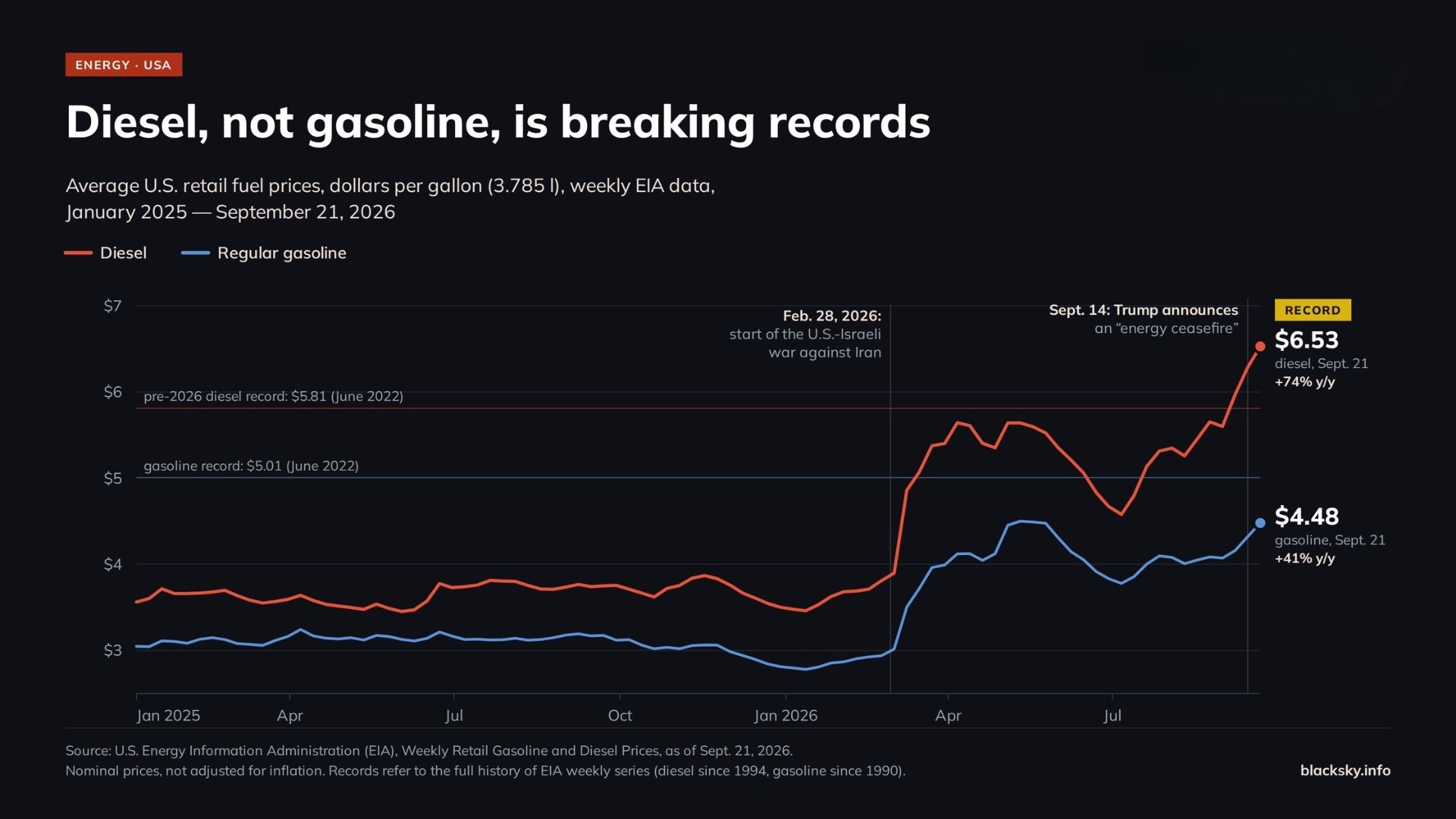
The point is that the military adventure of the United States and Israel against Iran, which began on 28 February 2026, is continuing despite numerous expectations to the contrary. What is more, no end to it is in sight today, and the fighting has produced several developments that are damaging for the global economy and for politics. Among them is the closure of the Strait of Hormuz to the free movement of tankers, which has caused a global rise in the price of oil and petroleum products. In American terms this has pushed fuel up to 6 dollars a gallon (roughly 1.5 dollars a litre), which could create problems for the Republican Party at the mid-term elections to be held at the beginning of November.
Since Donald Trump is not inclined to take responsibility even for his own mistakes, his administration, through Treasury Secretary Scott Bessent and Energy Secretary Chris Wright, has blamed Ukraine for the rise in diesel prices worldwide. Ukrainian strikes on Russian oil refineries and on Russia’s export capacity, the argument goes, have caused a growing shortage. Donald Trump, visibly worried about a possible Republican loss of control over Congress, has picked up this line as well. The US president has publicly demanded that his Ukrainian counterpart Volodymyr Zelensky reduce the intensity of strikes on Russian oil refineries. Here it is worth noting that, in the view of many observers, the Republican Party will lose its majority in the US House of Representatives at the “mid-term” elections to be held on 3 November. In the Senate the Republicans do still have a chance of holding on to their majority, if they manage to prevent a financial collapse of the US government’s debt obligations and a fall in the securities market. Should Donald Trump lose his majority in both chambers of Congress, he will turn into a lame duck before his presidential term is even over. As is known, Trump’s rating ahead of the congressional elections has fallen to one of the lowest levels of his presidency. According to Reuters/Ipsos data of 21 September, only 32 per cent of Americans approved of Trump’s performance, while 63 per cent disapproved. This is also accompanied by falling support for the Republicans on the eve of the “mid-term” elections.
Two countries – two truces

We must stress that an energy truce has a different meaning for each of its participants. Ukraine’s Defence Forces, for example, have since January 2026 struck 10 out of the 10 largest Russian oil refineries, as well as facilities for exporting oil and petroleum products in Russia’s Baltic and Black Sea ports.
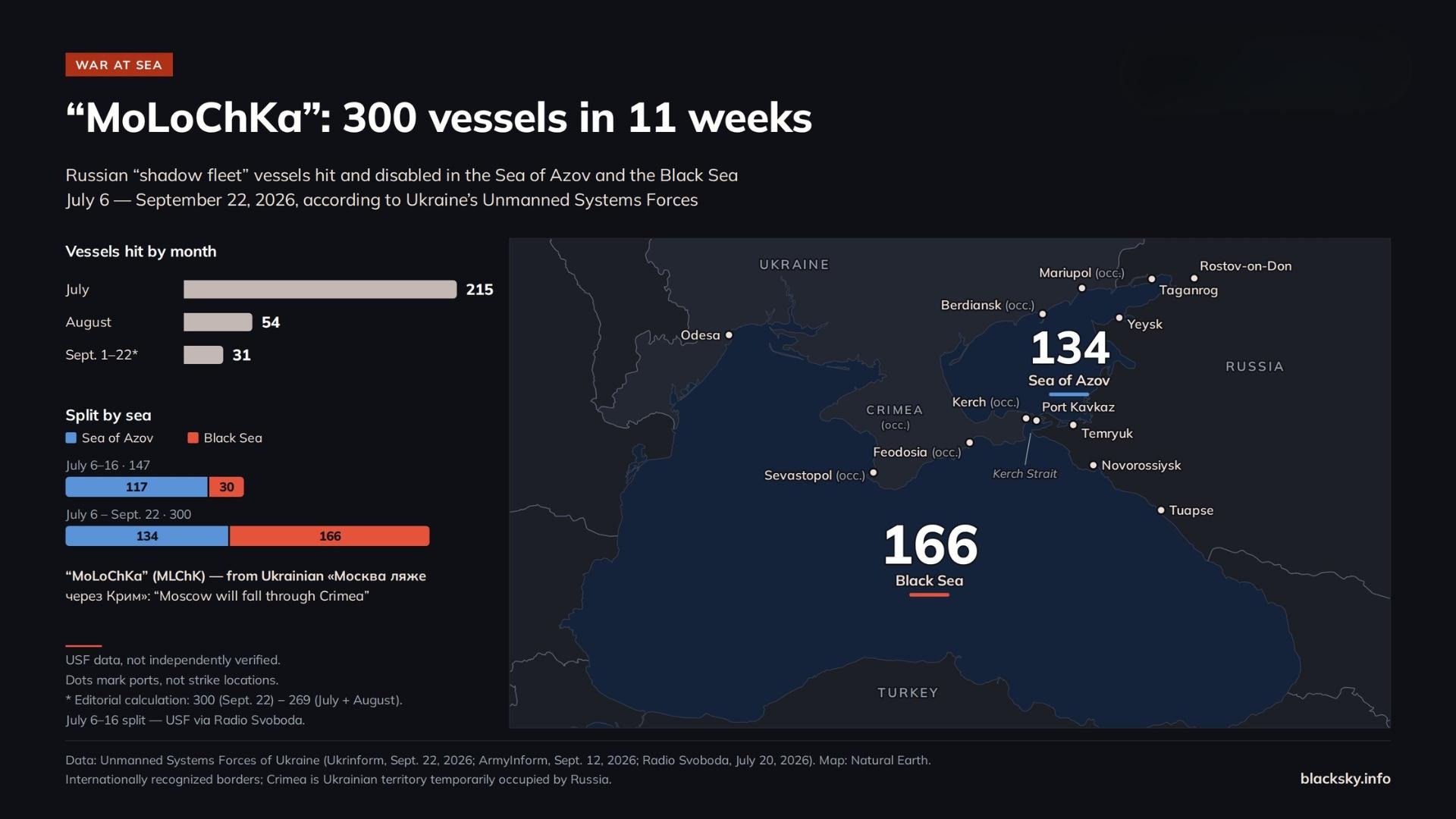
Since the start of Operation “MoLoChKa”, the Unmanned Systems Forces have hit 300 Russian vessels from Russia’s “shadow fleet” in the Black and Azov Seas. This was reported on the Telegram channel of the Unmanned Systems Forces of the Armed Forces of Ukraine. “Over the 11 weeks of the USF operation ‘MoLoChKa’, units of the Unmanned Systems Forces have hit and deprived of the ability to move under their own power 134 vessels in the Sea of Azov and 166 in the Black Sea,” the statement says.
There is a substantial fall in Russian oil exports, while the damage to refineries has caused fuel shortages in occupied Crimea, in Putin’s home city of Petersburg and in other Russian regions. A common joke has it that the petrol-station country, as Senator John McCain once described Russia, has turned into an importer of fuel. The Russian president’s statement about making good the damage done to oil refining by Ukrainian strikes should be treated as a bluff, since neither the scale of the damage nor the range of equipment involved allows one to count on rapid, high-quality repair work.
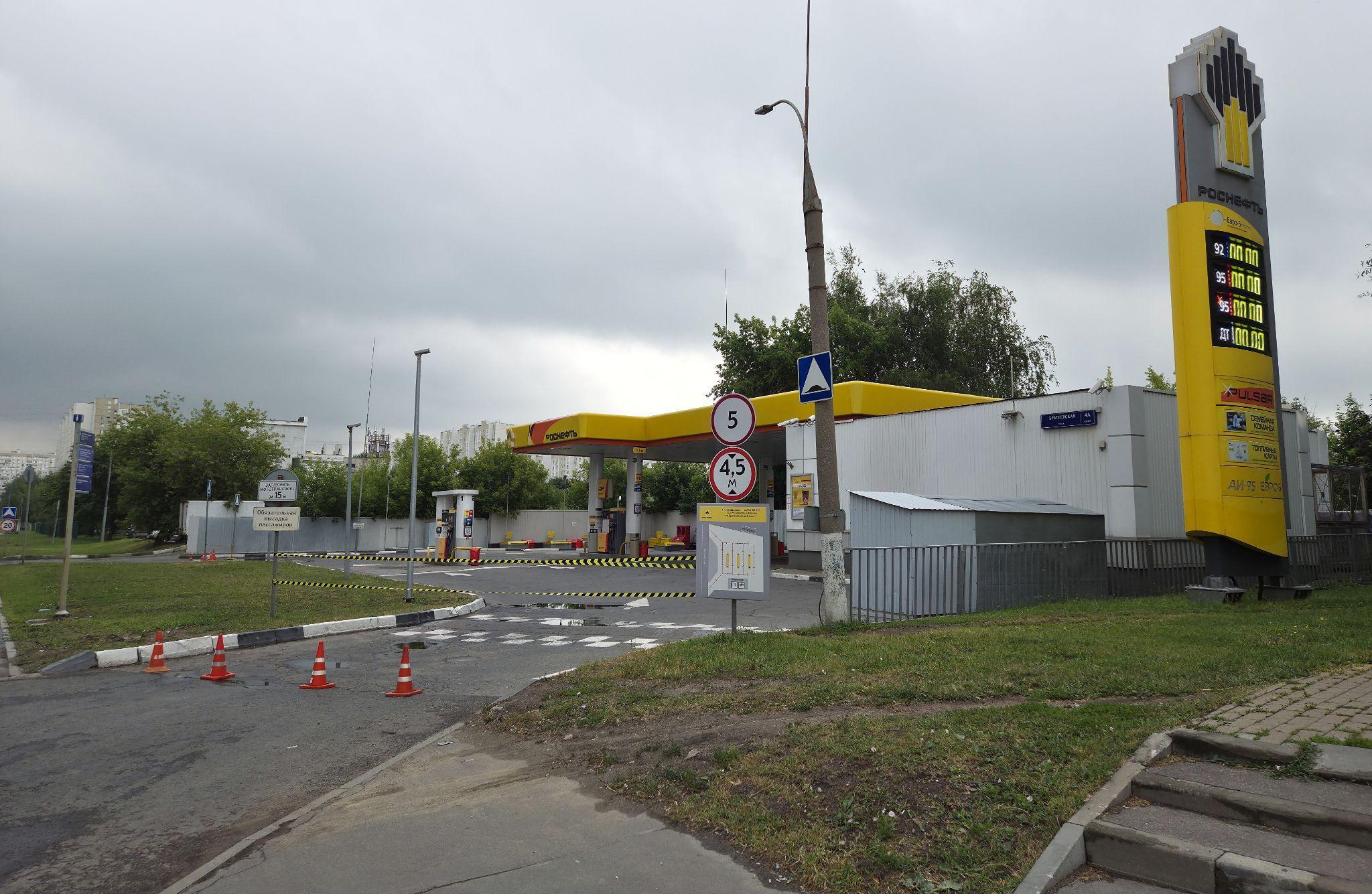
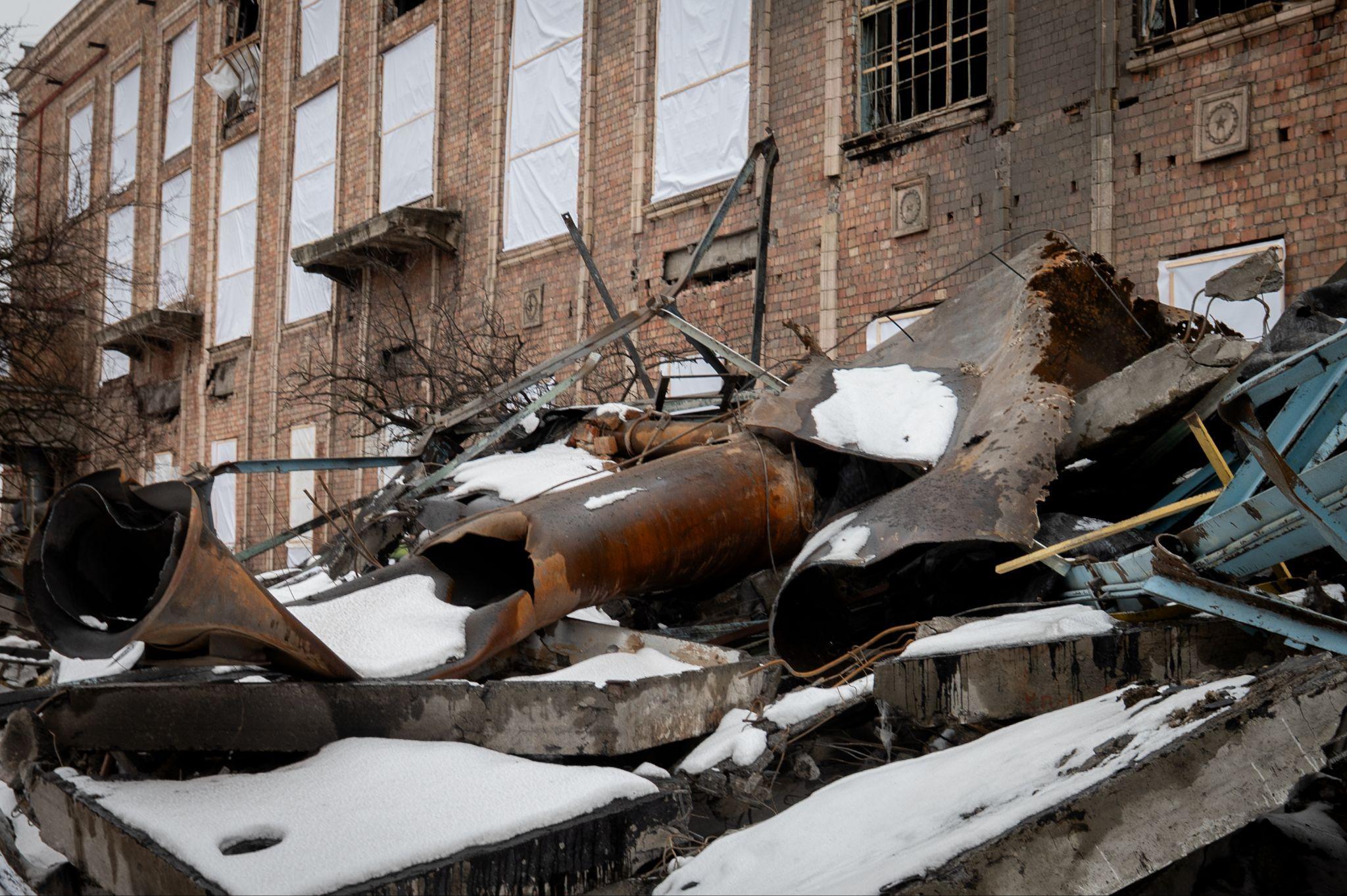
Ukraine faces problems of a qualitatively different kind, since its oil refineries were hit by Russia back in 2022, and today the aggressor is striking mainly at gas production infrastructure. The events of last winter suggest that Ukrainian thermal and hydroelectric power plants will soon be in Russia’s sights, along with the transformers that distribute the electricity generated at nuclear power plants. The difference is obvious – while Ukraine’s Defence Forces are destroying the aggressor’s export potential, the Russians are trying to make life unbearable for Ukrainian civilians and to shift the fighting into the rear. And the White House’s main mistake is that Donald Trump and his administration are trying to put an equals sign between these two processes.
How to reduce the tension?
To secure an energy truce it is, without doubt, necessary to create international pressure on the aggressor, since it is Russia that is violating the laws and rules of warfare laid down in international law. Is Donald Trump capable of that? Sadly, it is highly doubtful. Could the European Union act as such a mediator? Sadly, the discussion about appointing a special EU representative on ending the Russian-Ukrainian war ended without result. India and China are actively buying Russian energy resources. Mediation in achieving peace, or at least a hint of an energy truce, could therefore be claimed by Turkey or one of the Persian Gulf states.
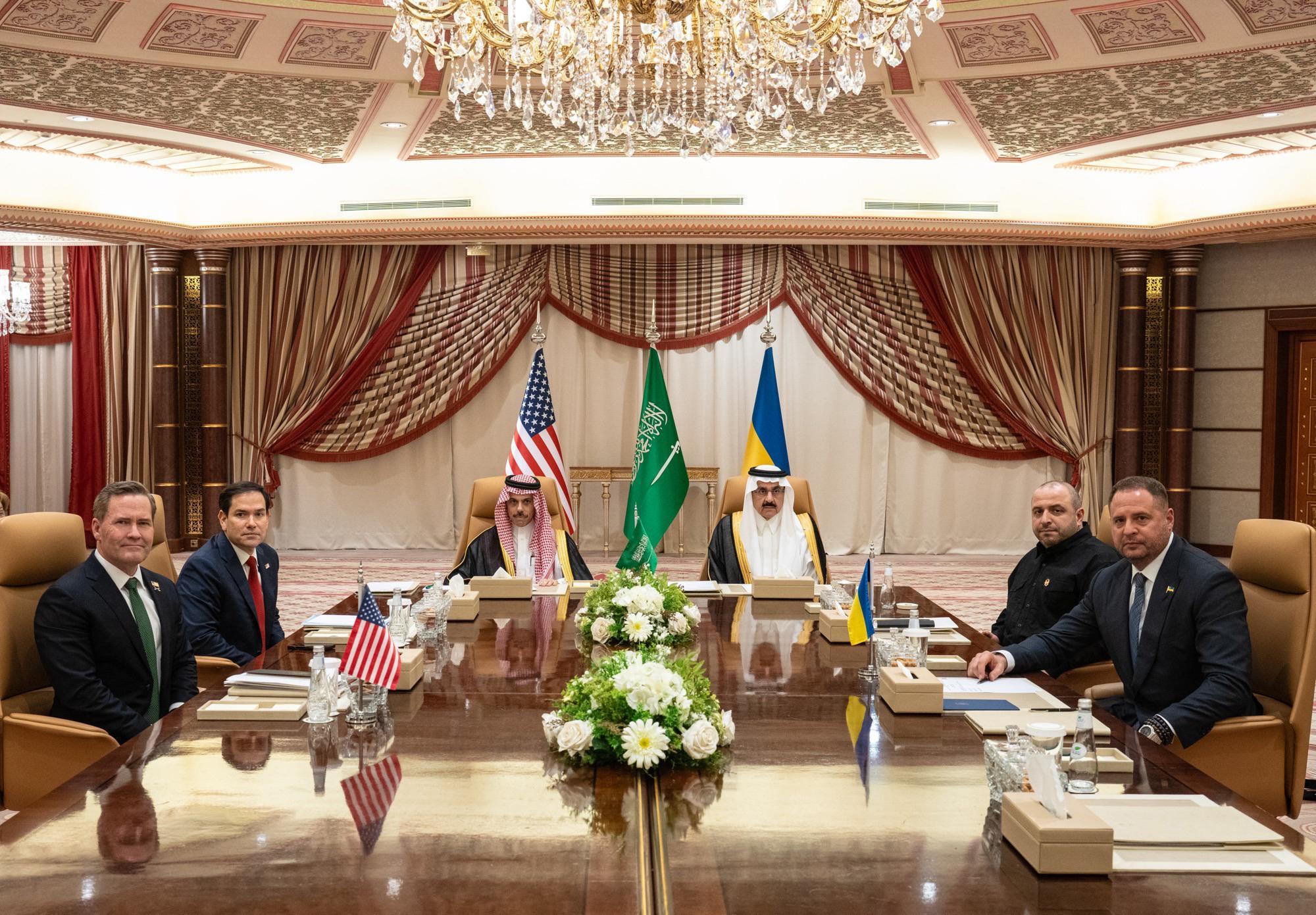
The main conditions for mediation are not only equidistant relations with Russia and Ukraine, but also a readiness to share the dividends of that mediation with Donald Trump. The trouble is that none of this makes one any more confident that Moscow is capable of observing the terms of a truce…
Author: Svitlana Mialyk