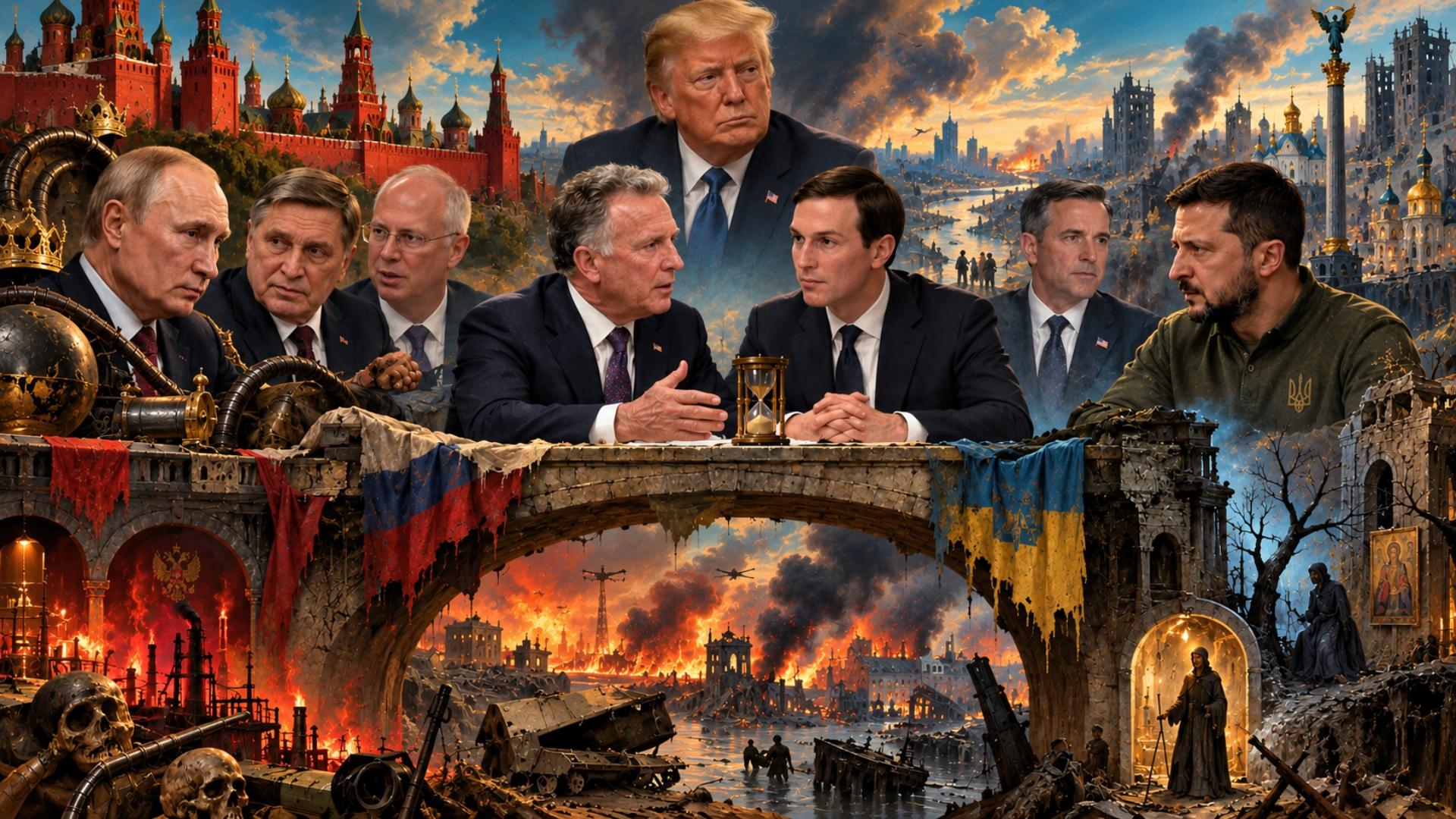

The September mission of Steve Witkoff and Jared Kushner did not produce a general moratorium on long-range strikes. Its most tangible result was a three-day pause covering Moscow and Kyiv, tied to the security of the American delegation. Talks resumed, but once the break was over Russian missiles and drones attacked the Ukrainian capital again.
In brief
- The talks with Vladimir Putin on 5 September and with Volodymyr Zelensky the following day did not end with the announcement of a strategic agreement.
- The limit on strikes covered both capitals. Fighting outside them continued, and the Russian attack of 8 September came after the pause had already ended.
- In Kyiv the discussion covered the framework of a future agreement and assistance for the winter: air defence, energy and American LNG.
- Ukrainian strikes are hitting Russia’s fuel sector, but more expensive oil partly cushions that pressure. A damaged refinery does not automatically mean a political concession.
- As of 11 September, no mechanism for a permanent limit on mutual long-range strikes had been made public.
The three-day pause was meant to protect the trip to both capitals
Witkoff himself gave the simplest explanation for the break. During the meeting in the Kremlin he thanked Putin for suspending the shelling of Kyiv and Moscow for three days, which made a safe journey possible. In a recording of the 5 September remarks released by Reuters Connect, Putin said in turn that the request to halt strikes on Kyiv had come through intelligence and diplomatic channels. He announced that he had given the corresponding order, while explicitly rejecting the suggestion that a broader, three-day ceasefire had been agreed.
The Ukrainian proposal went further. In remarks on 4 September Zelensky said he would ensure conditions for the negotiators to fly safely into Russia, and expected reciprocity for the duration of the talks and the journeys. In the end the parties’ public statements concerned the capitals, with a break envisaged until Monday 7 September. They covered neither the whole territory of the two states nor the front.
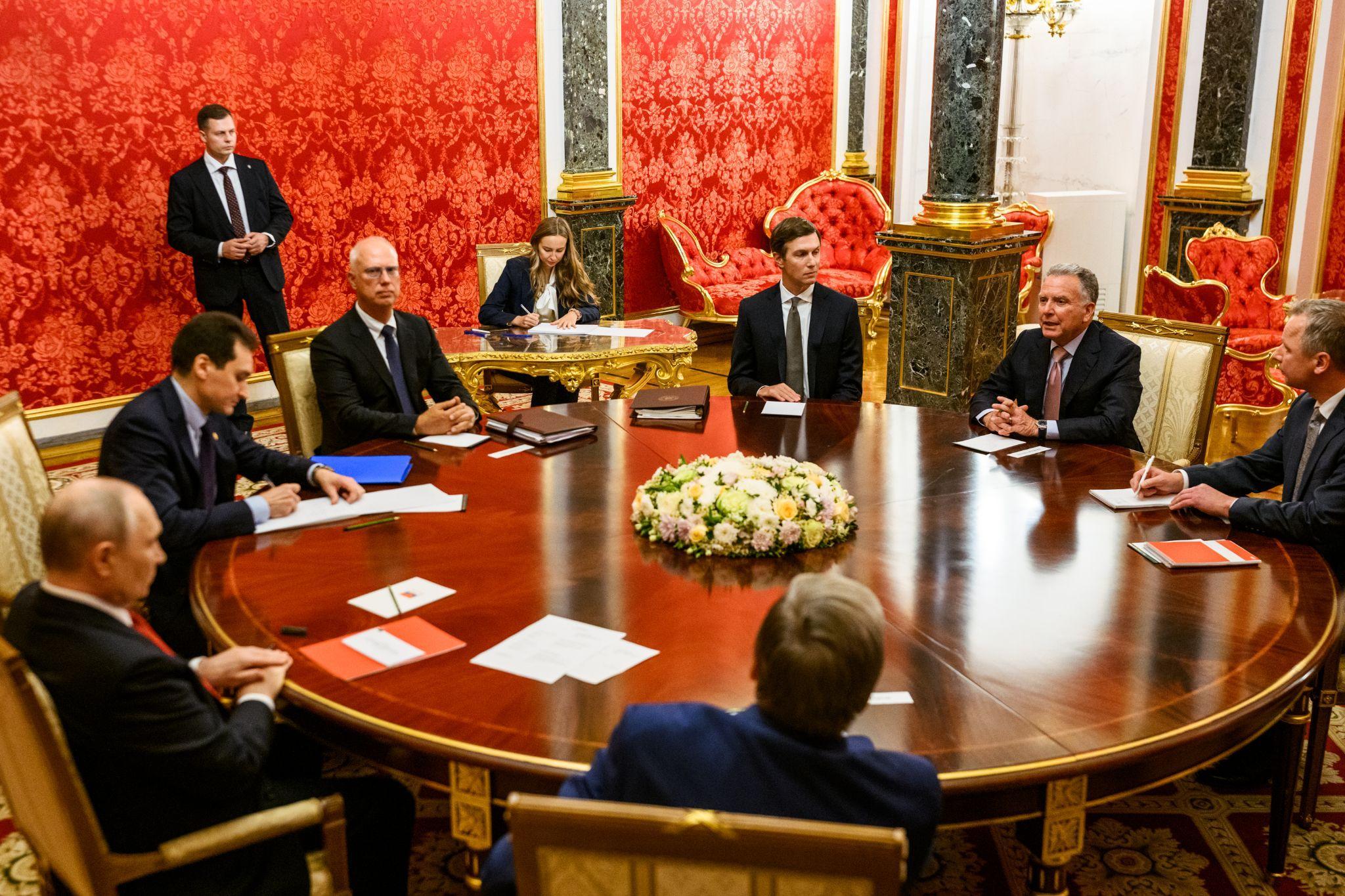
No joint text was published that would define the boundaries of the protected areas, the procedure for reporting incidents or the settlement of disputes. The colloquial “three days” therefore gives no basis for drawing the administrative limits of the ban on a map or calculating its duration to the minute. The absence of a published document likewise does not prove that no additional operational arrangements existed.
This modest result mattered to the residents of Kyiv: several nights without Russian strikes is real relief. Its humanitarian dimension does not disappear because the political result was limited. At the same time, securing the visit does not secure the city once the guests have left.
Moscow resumed talks but showed no compromise
The meeting on 5 September lasted more than three hours, as NPR reported. Alongside Putin it was attended by his adviser Yuri Ushakov and by Kirill Dmitriev, who is responsible for economic cooperation abroad. The Americans floated the idea of returning to trilateral talks: Ukraine, Russia and the United States. There were assurances about new ideas and a constructive atmosphere. No announcement of an agreement that would end the war was made.
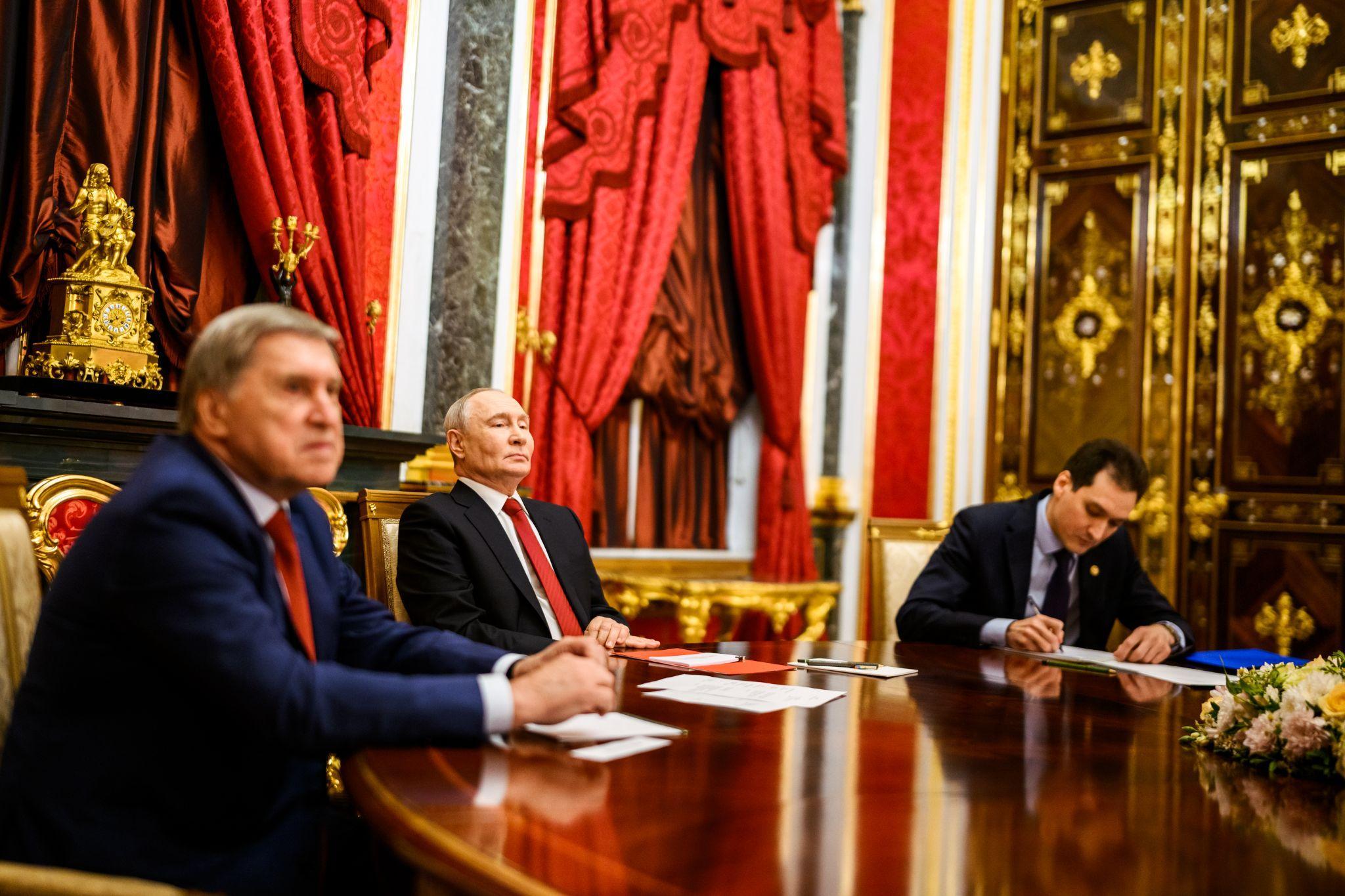
After the visit, the Centre for Eastern Studies assessed that nothing in the information made public indicated any readiness by the Kremlin to compromise. On its reading, the main obstacle remains Russia’s maximalist aims regarding Ukraine and the European security order. This is an analytical assessment; the length of the conversation alone confirms neither its success nor its failure. Three hours at the table may be enough to agree a communiqué and not enough to bring positions a centimetre closer.
Russia’s reluctance to accept a moratorium has a longer history. In an interview on 28 June, described by Interfax, Putin presented the proposal to halt mutual strikes deep inside each other’s territory as advantageous to Ukraine, citing the supposedly greater destructive power of Russian attacks. In this way he declared his conviction of his own superiority. The September talks did not show that he had abandoned that calculation.
Kyiv talked about peace and preparing for winter
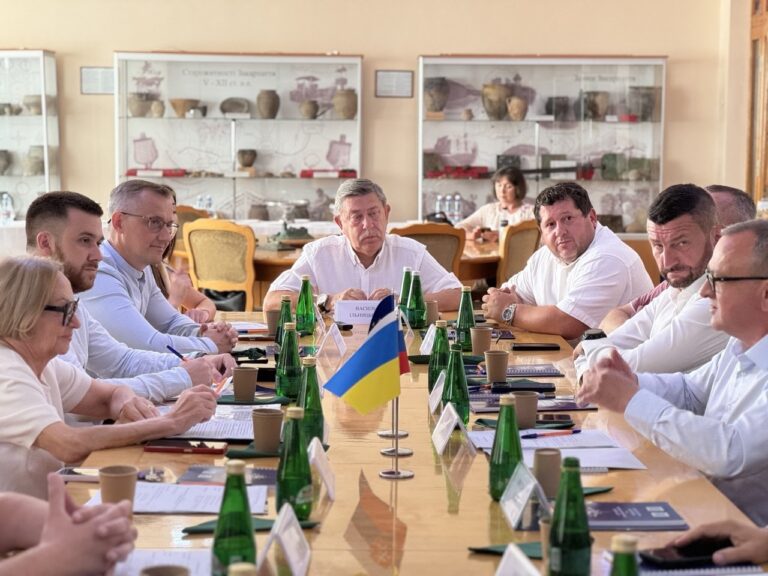
The visit on 6 September had tangible political meaning for Ukraine: close associates of Donald Trump also came to Kyiv and heard the Ukrainian position without Moscow as an intermediary. Several rounds of talks took place, including a meeting attended by representatives of France, the United Kingdom and Germany. The presence of European advisers widened the circle of participants in the process. In itself it gave Europe no veto and did not predetermine the format of future negotiations.
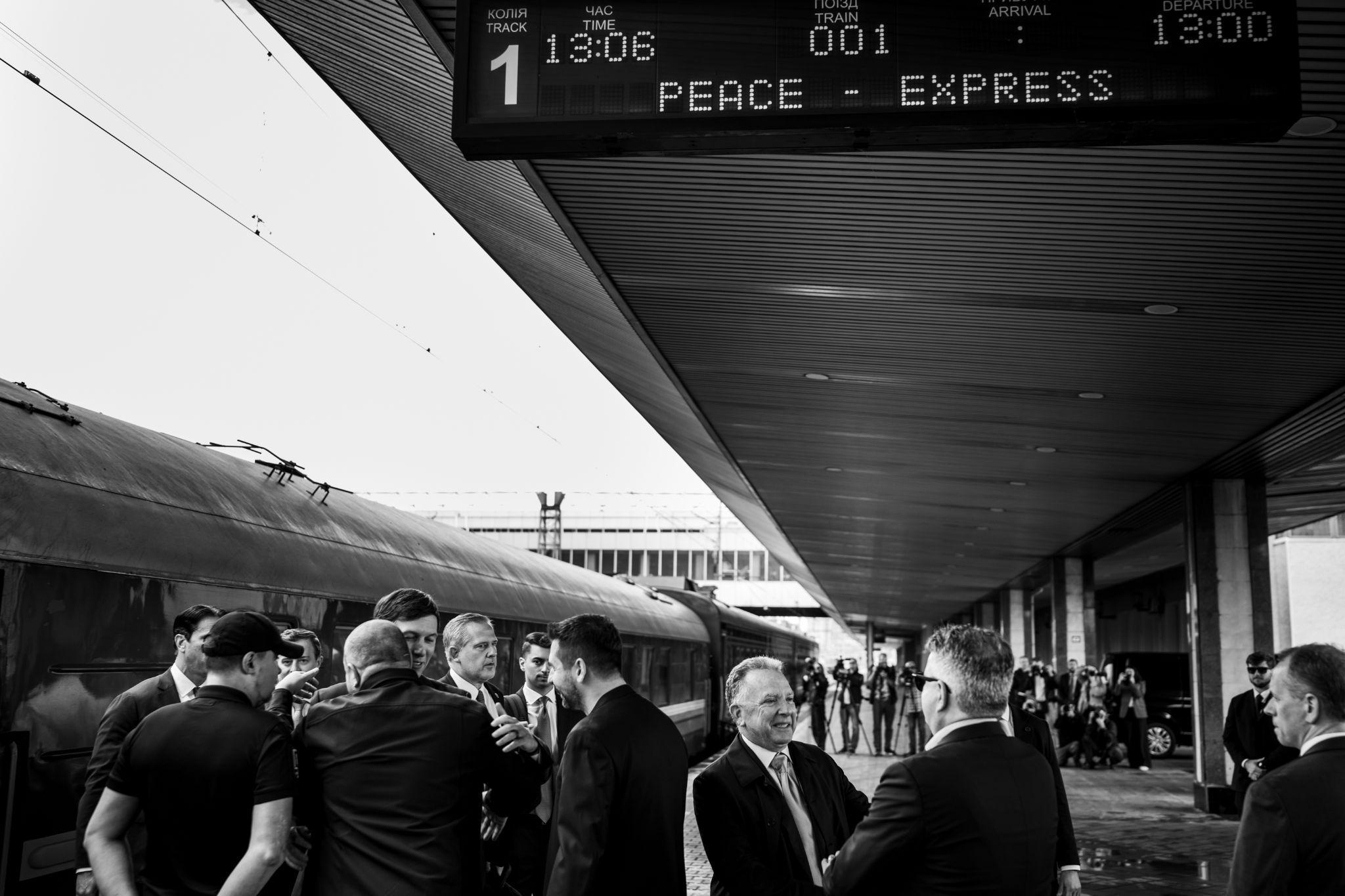
In a statement from the Office of the President of Ukraine released after midnight on 7 September, Kushner described the “peace package” as a framework for an agreement that is only taking shape in cooperation with partners. Zelensky spoke of security guarantees, economic reconstruction and a strong army as the basis for defending the country. He left territorial questions to be resolved at leaders’ level. Further contacts between Ukraine, Europe and the United States were announced, without naming a venue for the next meeting.
Alongside these statements a more urgent subject appeared: the “winter package”, meaning the assistance that makes it possible to get through the winter. It covered talks on strengthening air defence, protecting the energy system and access to American liquefied natural gas. Ukraine signalled a need for substantial volumes of LNG. Yet the public summary contained neither agreed volumes nor a delivery schedule. The urgency of the needs was underlined by an NPR report on the depletion of Ukrainian stocks of interceptor missiles for Patriot systems.
This is an important distinction for consumers waiting for light, heat and more effective defence. Talking about a package is not yet a cargo of gas or a missile in a launcher. Its value will be measurable once financing, delivery and commissioning have happened. Preparing for winter also shows that even participants in a peace process must plan for further months of war.
After the pause ended, Russia attacked Kyiv again
On 8 September Russia struck Kyiv with missiles and drones. According to an updated Reuters dispatch, the city’s mayor reported five dead and the emergency services 35 injured. The damage included residential buildings, a school and a clinic. The threat from jet-powered drones persisted into the afternoon.
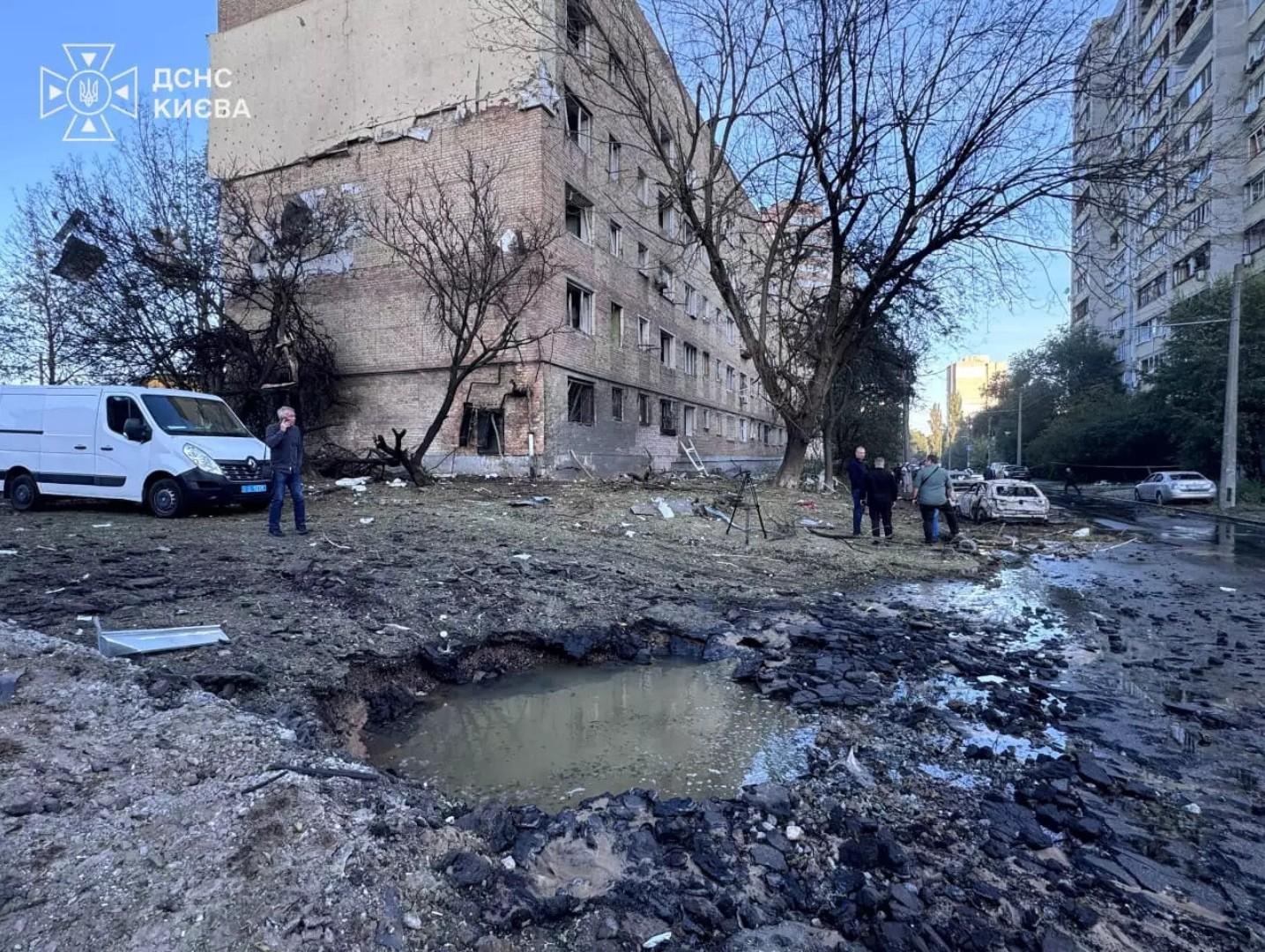
The Ukrainian Air Force, quoted by ArmyInform, reported in the morning that Russia had used 166 drones, including strike aircraft and decoys, as well as 32 Kh-101 cruise missiles and other missiles whose numbers were not given. This is the total for the operation against Ukraine, whose main axes were the Kyiv and Odesa regions, not the number of weapons aimed at the capital alone. An earlier report spoke of 142 drones shot down or jammed; this is not an independently verified defence result.
The resumption of bombardment is politically telling, but the chronology must be named correctly: the attack came after the agreed break had ended. It therefore does not prove a violation of a truce that was still in force. It proves how small the scope of what had been achieved actually was. For someone living in a building that was hit, that difference does not lessen the tragedy. For assessing the reliability of the arrangements it remains fundamental.
Three explanations for the pause deserve consideration. The best documented is technical: the parties reduced the risk to the Americans who were travelling, and Witkoff said so publicly. A political gesture towards Trump is also consistent with the behaviour of the parties and their assurances of readiness for dialogue. Both functions could have operated at once.
A third hypothesis assumes that Russia used the break to prepare the next raid. The mere fact that a large strike followed immediately afterwards is not decisive here. Planning could have begun earlier, and the restriction covered only particular areas. There is no public material that would make it possible to prove that the pause is what enabled the operation to be prepared or determined its scale. A chronology is not a substitute for an operational order.
Ratcliffe and sanctions: several channels, different tasks
CIA director John Ratcliffe had already travelled to Moscow on 25 August. Reuters noted the Kremlin’s confirmation of the visit and its denial that a meeting with Putin had taken place. Contacts with Ratcliffe were subsequently confirmed by the head of Russia’s foreign intelligence service, Sergei Naryshkin. This was a separate channel of intelligence-service talks; its full agenda was not made public.
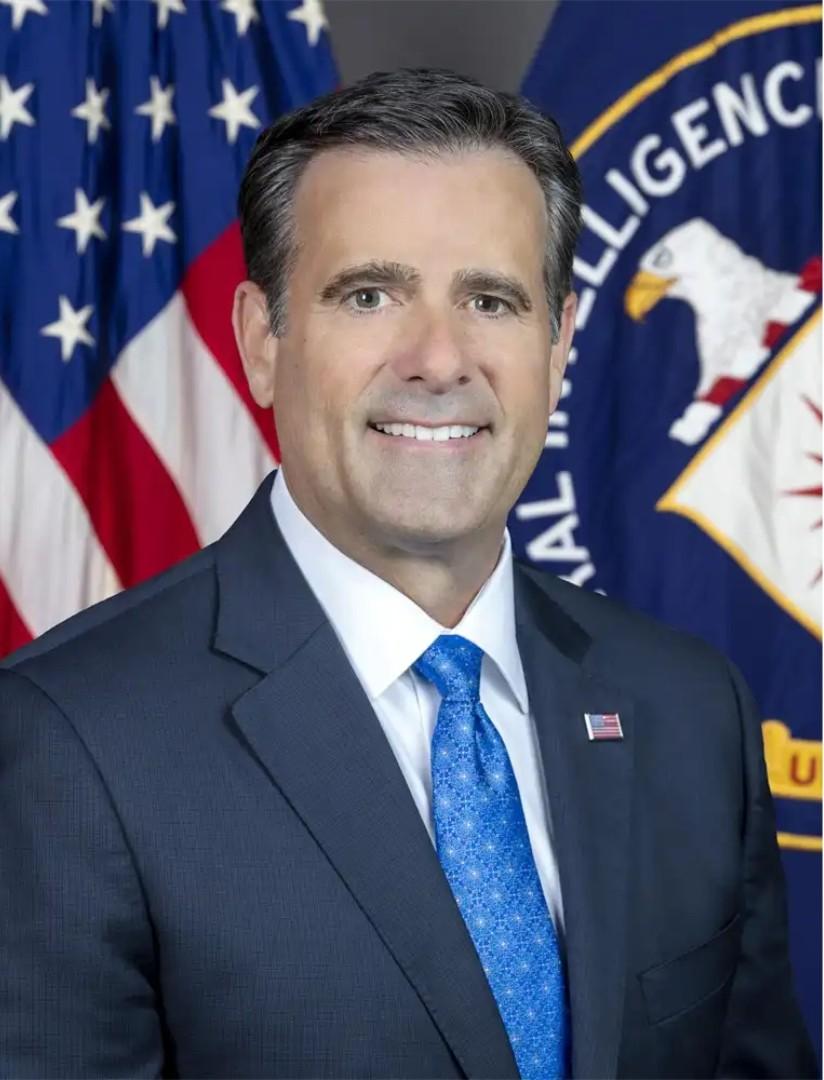
It is not known whether, or to what extent, this contact prepared the September mission. The sequence of visits alone does not imply a division of tasks. Nor did a Financial Times report about a possible expansion of Ratcliffe’s role mean that he had been appointed chief negotiator. The Kyiv Independent cited both that report and the White House denial.
A separate strand concerned the economy. Ushakov confirmed talks about potential joint projects. According to Axios, a US Treasury official, Gene Lange, took part in a preparatory meeting with Dmitriev, but not in the conversation with Putin. His presence does not prove that sanctions relief was agreed; his absence from the main table does not rule out that sanctions were discussed there.
A Reuters dispatch of 31 August points to a political condition. According to a source familiar with the course of the meeting, US Treasury Secretary Scott Bessent told Russian Finance Minister Anton Siluanov that economic relief requires an end to the war. This is a report of a position set out during a conversation, not a published sanctions agreement. The prospect of gain may encourage the maintenance of contact. It need not encourage acceptance of peace terms.
Ukrainian strikes are hitting Russia’s fuel sector
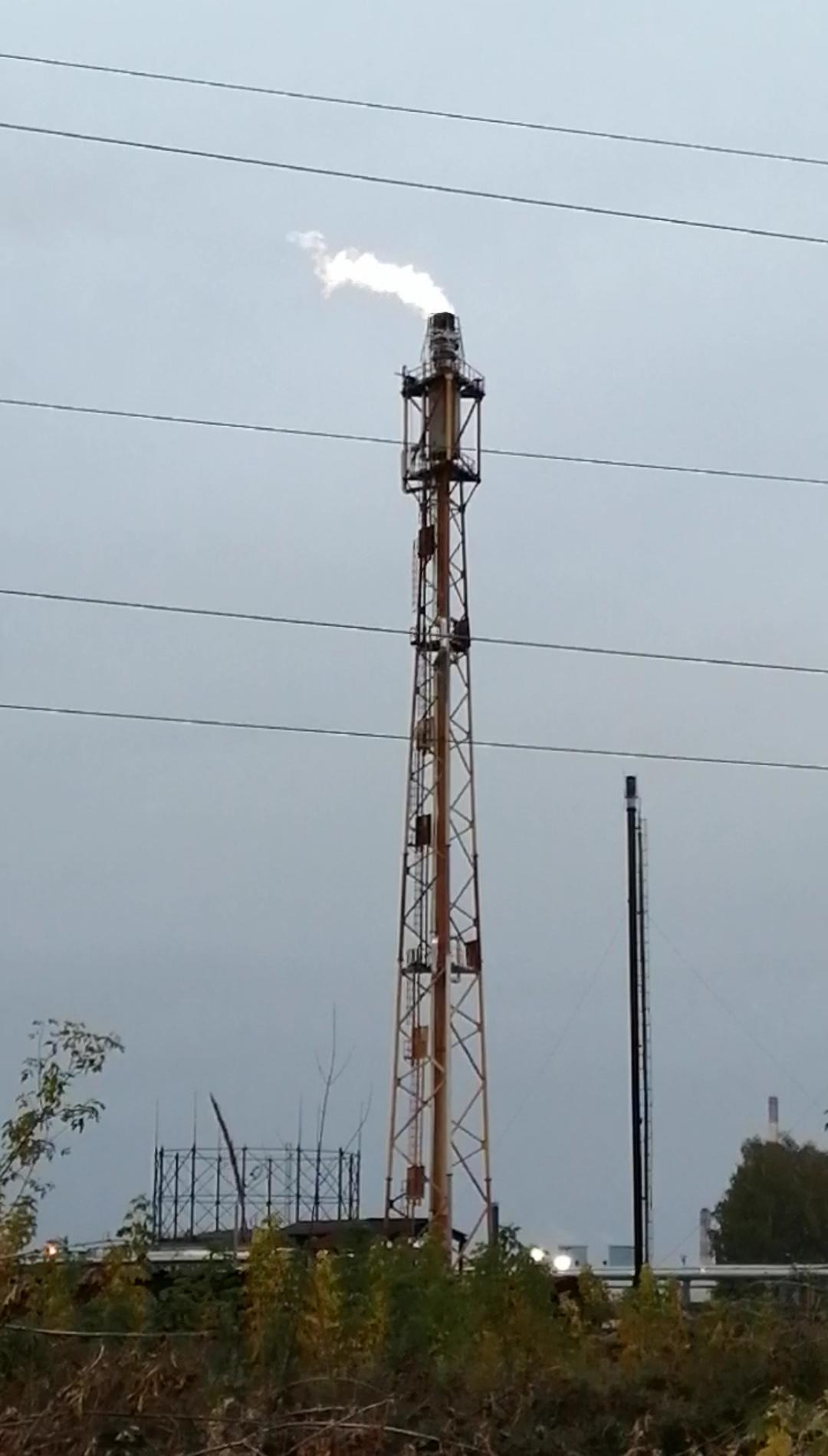
During the pause, which concerned the capitals, Ukraine continued to strike outside Moscow. The Kyiv Independent described an attack on the refinery in Ryazan on the night of 6 September, later confirmed by the Ukrainian General Staff. In itself this was not proof of a breach of the arrangement concerning Moscow. Russian attacks outside Kyiv also continued.
The industrial consequences proved serious. On 10 September Reuters reported, citing two industry sources, that Rosneft’s Ryazan plant had halted work after the weekend strike. Two crude distillation units stopped, and a third had already been under repair. Repairs could take several weeks.
August data from CREA show the wider picture. Daily Russian revenues from fossil fuel exports fell by 8 per cent compared with July, to 604 million euros. Revenues from seaborne exports of petroleum products fell by 32 per cent, to 78 million euros a day, while their volume dropped by 21 per cent. An exporter’s revenue, the state’s tax receipts and the physical volume of output are three different quantities.

In August Russia imported 172,000 tonnes of petroleum products by sea. Of that, 120,000 tonnes was petrol from the Indian refinery at Vadinar, which processes Russian crude. The raw material was therefore returning as finished fuel. This costly detour shows disruption in refining and supply, but it does not mean that Russia has ceased to be a major oil exporter. The CREA figures here concern seaborne imports, not all fuel imports.
Attacks on refineries, terminals and depots can limit processing, interrupt loading, lengthen transport and force repairs. The effect depends on the point of impact, on stocks and on the ability to redirect supplies. The campaign also has a longer history: an American report to Congress documented strikes on Russian refineries as early as the first quarter of 2024.
At the same time, Russia is helped by the price of the raw material. In CREA’s model of the Strait of Hormuz crisis, additional Russian revenues from seaborne exports are estimated at 35.9 billion dollars for the period March–August, against the price level expected before the war with Iran. This is the result of modelling that partly covers a forecast for August, not a measure of budget receipts. It cannot be mechanically subtracted from the value of refinery damage to produce a balance sheet of the war. What can be said is that Ukrainian pressure is operating in conditions where the world market gives Moscow a financial cushion.
Jet-powered Gerans are forcing air defence to speed up
The cost of defending against Russian raids is also changing. Faster jet-powered drones shorten the time between detection and the need to open fire. Ukrainian mobile groups and interceptor-drone operators have less time to take up a favourable position. A stronger thermal signature from the engine may make infrared guidance easier, including for man-portable air defence systems. This does not, however, remove the limits of range, interception geometry and ammunition availability.
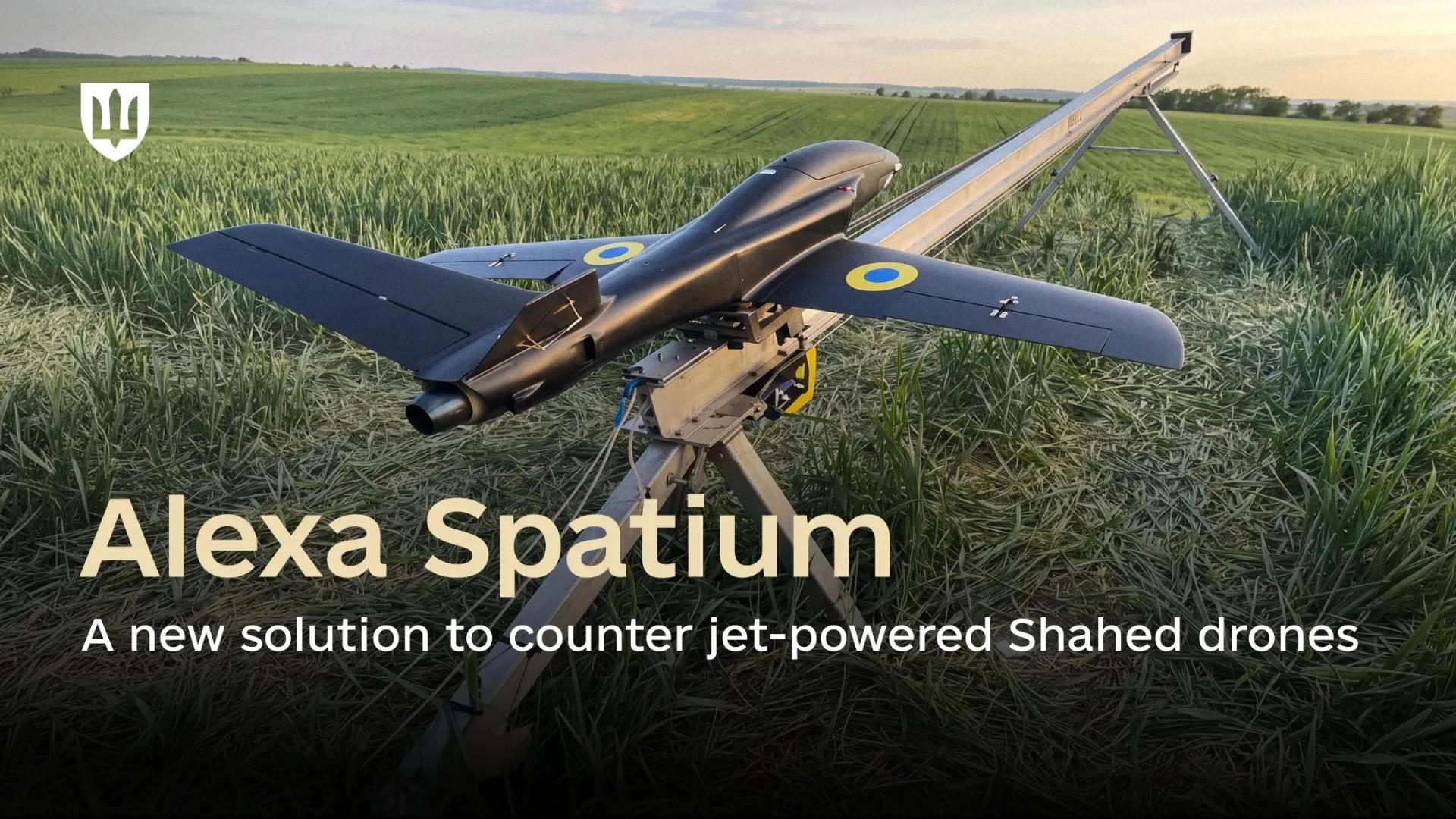
One Ukrainian answer is Alexa Spatium. On 21 August Ukraine’s Ministry of Defence announced the introduction of this jet-powered interceptor drone, listing the Geran-3 and Geran-4 among its targets. The ministry gave neither a figure for its speed nor the scale of deployment. The announcement confirms the development of a defensive tool, but does not allow its effect on the overall efficiency of repelling raids to be calculated.
Such an assessment requires comparable data on the number and types of targets, the conditions of the attack and the share taken by individual means of defence. A percentage of interceptions taken in isolation is no substitute. What matters for negotiations is the ability to limit damage and defence costs over time, not the debut of yet another device.
Missiles increase the pressure but do not guarantee a breakthrough against air defences
Russian strike capabilities at intermediate ranges, between the rear of the front and distant strategic targets, must be assessed in the same way. Russia has, among other things, Tornado-S systems; in April the Ukrainian General Staff reported a hit on one of them in Melitopol. There are no grounds for inferring from isolated losses that most of the stock has been destroyed. The use of an expensive Iskander may follow from many operational needs; in itself it does not prove a shortage of other means. Nor has the claim been confirmed that Beijing blocked deliveries of Belarusian Polonez systems to Russia.
An increase in Ukraine’s ballistic capability could force Russia to defend new facilities and disperse limited air defence resources. Ukrainian troops reported the effective use of ATACMS against S-400 systems. But hitting elements of a system does not prove it is universally helpless against ballistic missiles. The outcome is also determined by intelligence, crew readiness, the configuration of the defence and the scale of the attack. Future Ukrainian missiles will not come with a guarantee of unpunished passage.
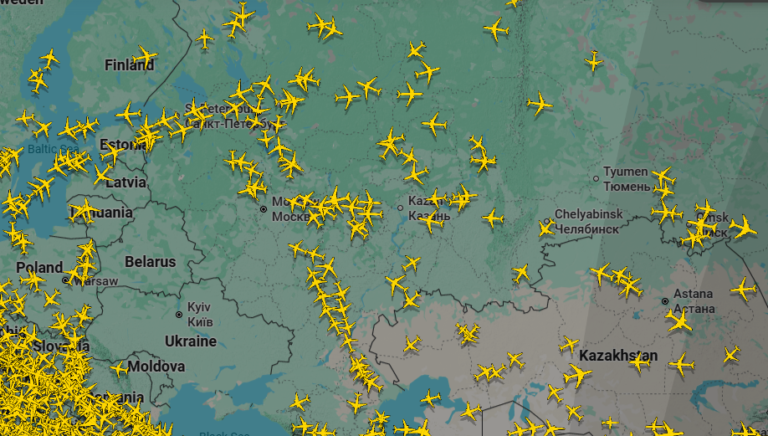
A growing threat may also deepen the disruption of Russian civil aviation. According to the Russian Ministry of Transport, the “Kovyor” signal as a rule orders aircraft to leave a designated airspace or to land. A NOTAM is an aviation notice that may give information about restrictions. A temporary suspension of flights causes delays, cancellations and costs; it is not equivalent to a prolonged blockade of an entire country’s airspace.
A permanent moratorium still has no agreed basis
The Kremlin’s position after the mission gives no grounds for declaring a breakthrough. On 10 September Peskov told Interfax that no specific talks on an energy truce were under way, and maintained that Russia’s conditions for ending the fighting had not changed. This is a declaration by a party to the war, but it is precisely its readiness to take on commitments that is the subject of assessment here.
According to Zelensky, quoted by Reuters on 10 September, there will be no trilateral talks before the Russian parliamentary elections on 20 September. This is not an announcement that they will take place immediately afterwards.
As of 11 September, the Witkoff and Kushner mission had not created any publicly known mechanism for permanently limiting long-range strikes. It restored direct contacts, made it possible to discuss assistance to Ukraine and to carry out limited deconfliction – that is, the coordination of actions that reduces the risk of an incident. These are concrete results, but not grounds for expecting the air war to stop.

A reliable moratorium would require defining which targets and areas it covers, from when it applies, how violations are verified, and who responds to them and in what way. Its durability would also depend on whether both sides regard observing the limits as more advantageous than resuming attacks. Ukraine’s strike capability, effective air defence, sanctions and Russian export revenues all feed into that calculation. None of these factors on its own determines the date of peace.
Kyiv gained a short respite, and diplomacy one more opportunity to act. What residents need now is protection that does not end with a foreign delegation’s trip. Kyiv did indeed get three relatively quiet nights – a truth worth remembering before anyone calls this pause something more than it was. It was a safety corridor for two American guests, not a truce for the people who live in this city all the time.
Author: Artur Żak
Official Russian and Belarusian sources cited in this text are for informational purposes only. Content from these sources may constitute disinformation or propaganda.