In brief:
- Russia sent NATO an unofficial diplomatic document (non-paper) threatening the use of nuclear weapons in the event of “any attempt” to isolate the Kaliningrad region. NATO confirmed receiving it and replied in writing.
- Russia’s embassies in Belgium, Ireland and the United Kingdom claim that NATO is preparing a blockade of the region, but have presented no evidence. The London embassy cited a newspaper article and the Sky series “The Wargame”.
- Russia’s Fundamentals of nuclear deterrence of 19 November 2024 list isolating territory as a “military risk” (para 15), but not as one of the five conditions for the use of nuclear weapons (para 19).
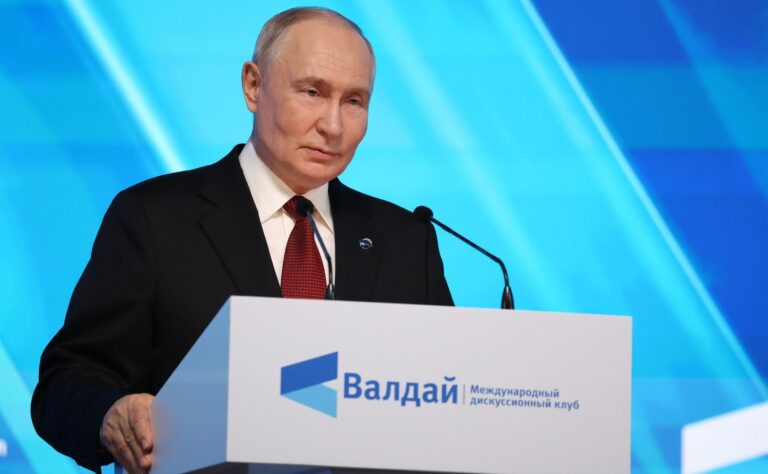
- On 1 October Vladimir Putin linked the use of “all the weapons at its disposal” to a “direct attack” on Russia, not to the isolation of the region.
- According to Crisis Group, citing a European official, Russian ground forces in the region have shrunk by 80 per cent since 2022; the air force, navy and missiles have remained.
A non-paper with a nuclear threat: what is known for certain
Reuters saw the text of the document. In it Moscow accuses the Alliance of a “dangerous and reckless course” and writes:
“Russia will be ready to use the entire arsenal of forces and capabilities at its disposal, including nuclear weapons, in order to defend its territory should NATO countries undertake any attempt aimed at isolating the Kaliningrad Region from the rest of the country” – Russia’s non-paper to NATO, as reported by Reuters.
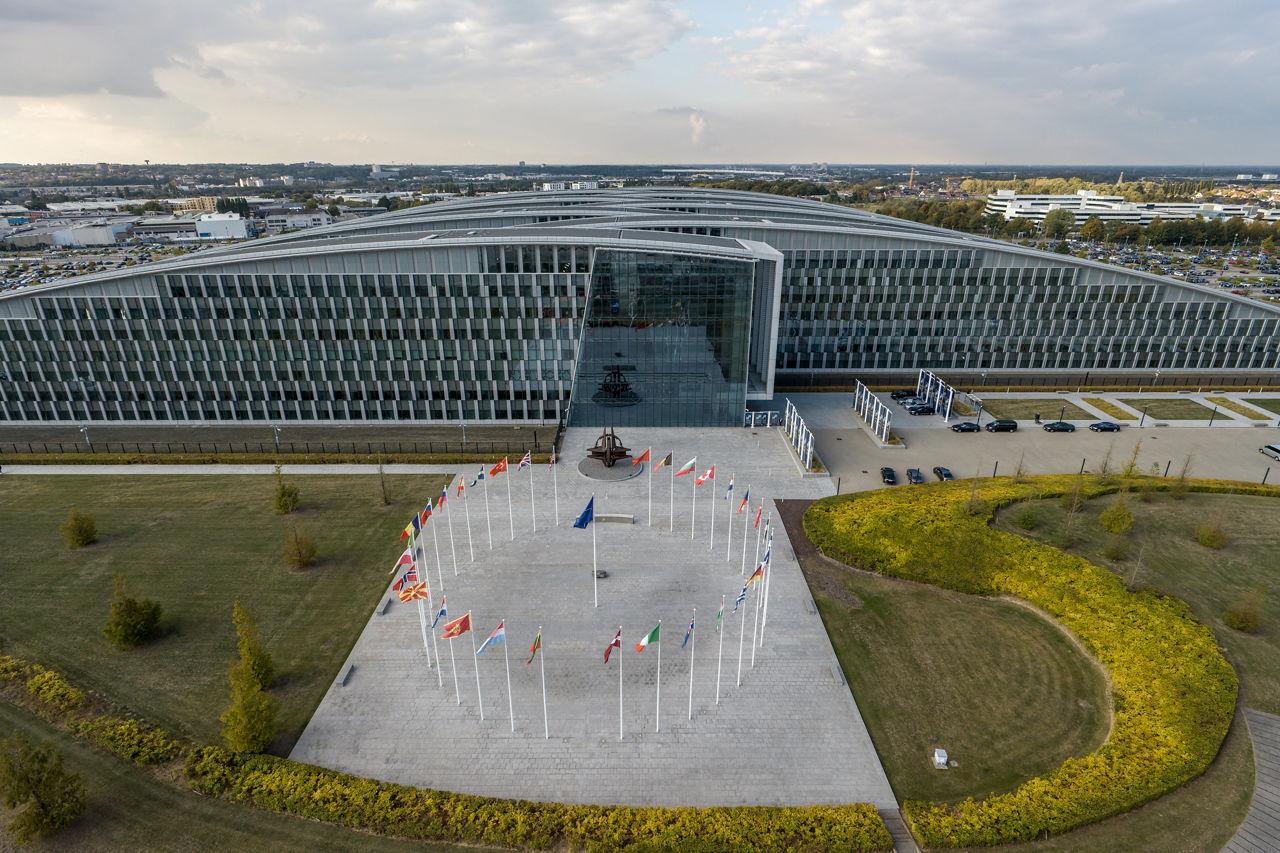
The letter also mentions the possibility of “Russian strikes against decision-making centers in the alliance’s member states right from the outset”. Formally it is a non-paper, that is, an informal document. NATO spokesperson Allison Hart confirmed that the letter had arrived and that the Alliance had replied, “noting that NATO is a defensive alliance and none of our activities or exercises pose a risk to any part of Russia.” The Kremlin denies nothing. Dmitry Peskov said: “It’s only natural that our diplomats are trying to remind the hotheads in Europe about our policy documents regarding this matter” (Vedomosti). On 1 October Putin added at the Valdai Club that this is not intimidation, but a response to an attempt to intimidate Russia.
A blockade from a newspaper and a TV series: where Moscow found its premise
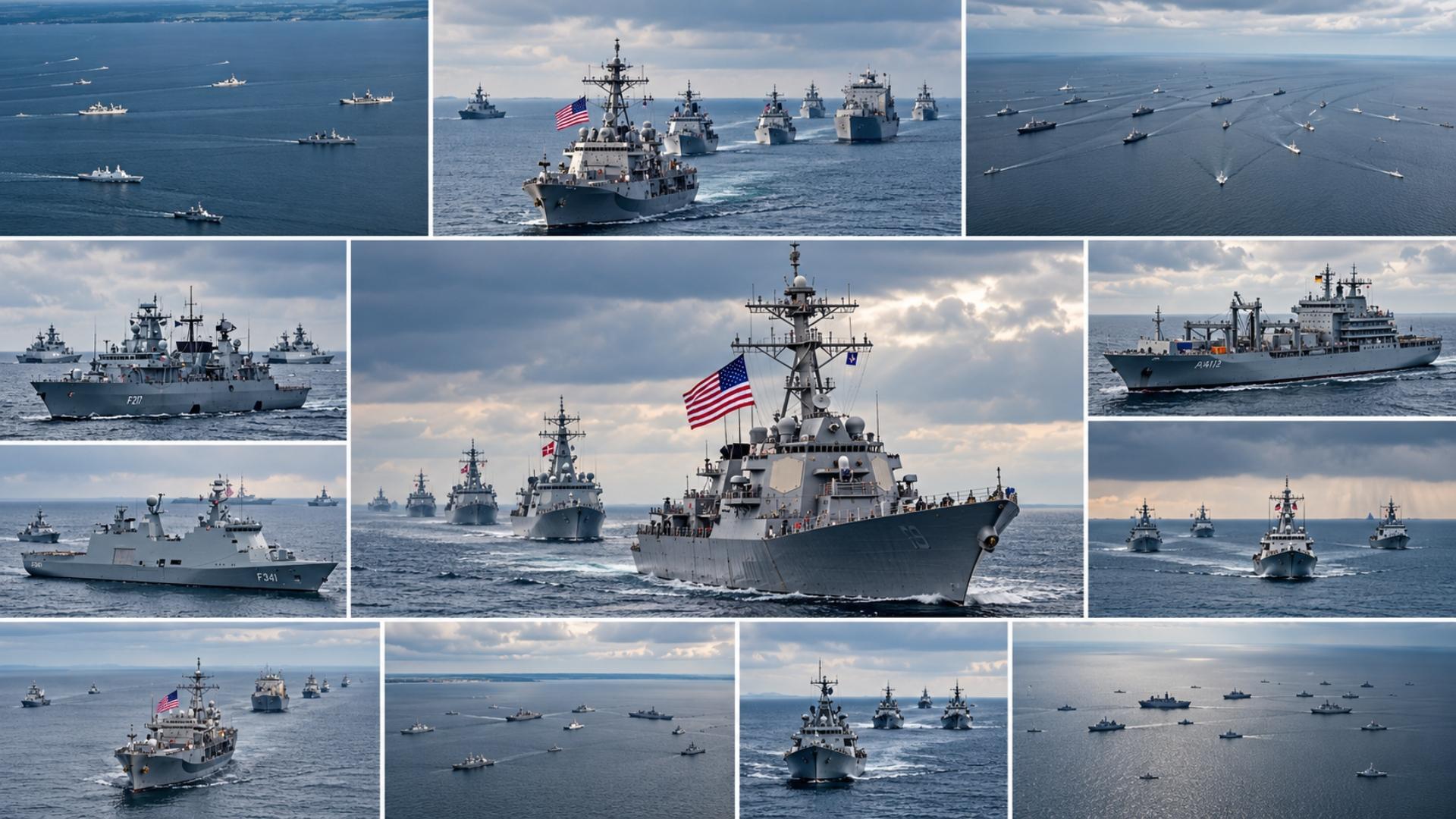
The letter is genuine. Its premise is another matter. Between 28 and 29 September the same message was amplified by Russia’s embassies in Belgium, Ireland and the United Kingdom. The mission in Dublin wrote that information had emerged about an air and sea blockade of the region being prepared by NATO. It gave neither a source nor any evidence. The embassy in London was more candid: it was reacting to an article in the i newspaper about Kaliningrad as Putin’s biggest weakness, and to “The Wargame”, a half-documentary, half-fictional Sky TV series. In it, former politicians play out a crisis following a Russian attack on the United Kingdom, and the script includes, among other things, British strikes on Kaliningrad.
In April, Deputy Foreign Minister Alexander Grushko claimed that during JEF exercises [Joint Expeditionary Force – a UK-led northern European alliance – ed.] Western states were rehearsing scenarios of a naval blockade and the seizure of the region. In September Radosław Sikorski proposed exercises that would force Putin to pull troops away from Ukraine, ruling out offensive action against Kaliningrad. NATO has announced no blockade plan. Russia has presented no evidence, only media publications, politicians’ statements and its own reading of exercises.
Does the doctrine allow the use of nuclear weapons over the isolation of Kaliningrad?
Moscow refers to its documents. So it is worth doing exactly what it asks: reading them. In the Fundamentals of State Policy of the Russian Federation on Nuclear Deterrence of 19 November 2024, isolating part of the territory does indeed appear: in para 15, on the list of “military risks” that “can evolve into military threats” and that nuclear deterrence is meant to neutralise. The same list includes large-scale exercises by an adversary near Russia’s borders.
The conditions for the use of nuclear weapons, however, are a separate catalogue in para 19: reliable data on the launch of ballistic missiles, the use of weapons of mass destruction, an attack on critically important facilities that would disrupt nuclear retaliation, conventional aggression that creates a “critical threat” to the sovereignty or territorial integrity of Russia or Belarus, and a massive launch of air and space attack means and their crossing of the border. Isolation is not there.
So the doctrine allows Moscow to threaten nuclear weapons over Kaliningrad. It does not say that isolation opens the way to their use. That bridge still has to be built. Russia could call a military blockade of its ports aggression, since that is how the 1974 UN definition of aggression classifies it, although para 19 also requires a “critical threat”. The note, however, speaks of “any attempt” at isolation, and that concept can also accommodate transit restrictions or sanctions. This bridge is being built openly by Alexei Arbatov, head of the Centre for International Security at IMEMO of the Russian Academy of Sciences:
“Disrupting Kaliningrad’s connection with ‘mainland’ Russia is a threat to its integrity, in which case a nuclear strike is permissible” – Alexei Arbatov to Vedomosti.
Arbatov stresses, however, that the threats to the exclave are for now “not military, but political”.
The note says “isolation”, Putin says “attack”

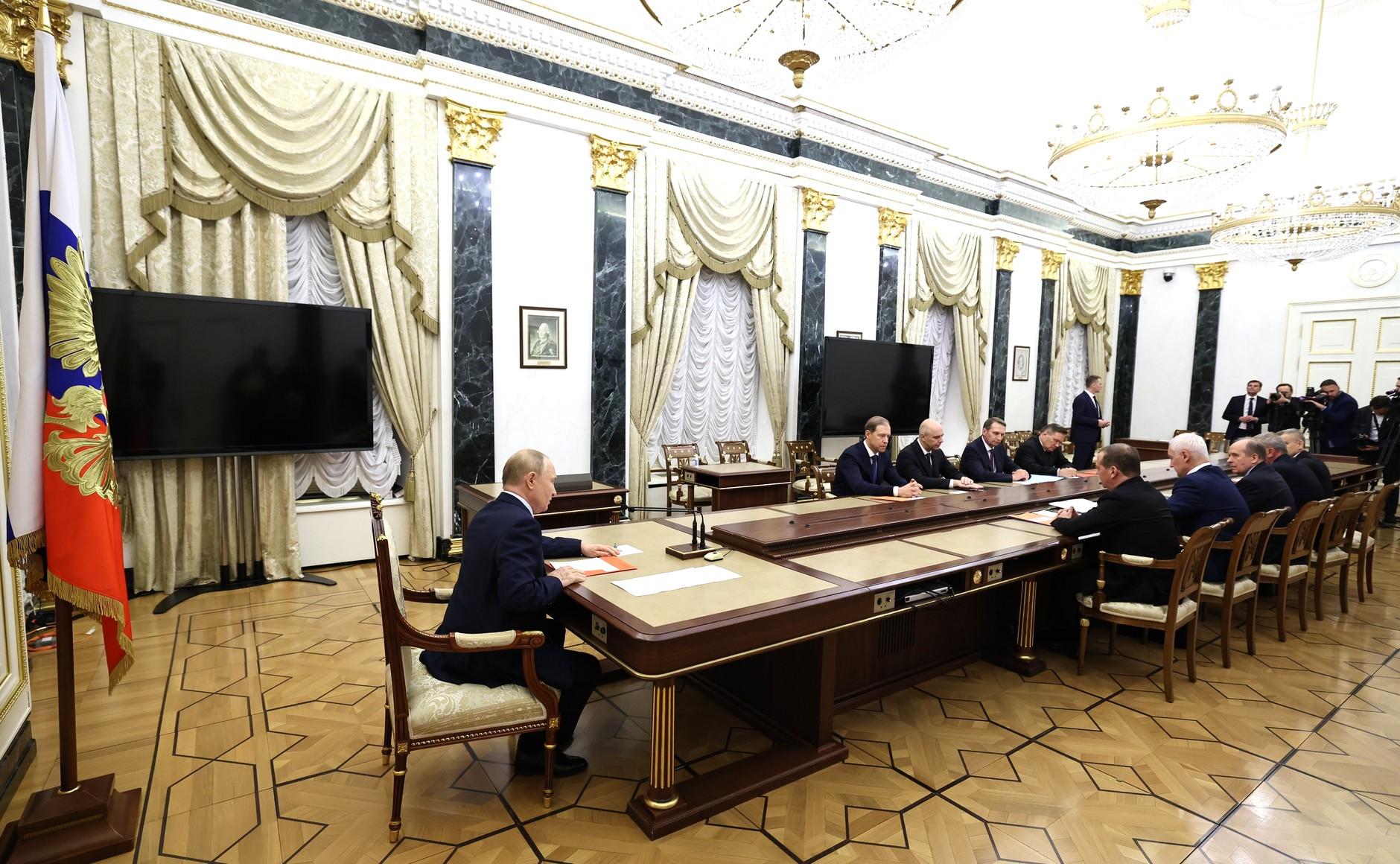
The Foreign Ministry and the Kremlin are, in fact, speaking with two voices. The note and the embassies: “any attempt” at isolation. Putin during the Valdai session: a “direct attack” on Russia. These are two different thresholds on the same issue. The same Fundamentals, in para 16, make it a principle that there should be “uncertainty for a potential adversary in terms of scale, time, and place of the possible employment” of deterrence forces.
“Decision-making centres”: a formula from Kyiv makes its way into a letter to NATO
There are no “decision-making centres” in the Fundamentals. It is a formula from the war against Ukraine: in November 2024 Putin pointed to “decision-making centres in Kiev” as a possible target for the Oreshnik. Sergei Lavrov, asked about the Polish proposal to produce missiles for Patriots jointly with Ukraine, advised “studying carefully” the military doctrine. Except that the 2014 military doctrine allows nuclear weapons in response to conventional aggression only “when the very existence of the state is in jeopardy”. Maria Zakharova called European plants producing weapons for Ukraine “potential military targets”, and Peskov spoke of “rather rabid” statements from Poland and other European countries.
The motif itself is not new. In July 2025 Nikolai Patrushev promised that any “military encroachment” on the region would be met with a response using all the forces and means provided for in the military doctrine and the Fundamentals. What appears new is the form and the addressee – a letter to NATO as an institution – and the threshold: not an attack, but “isolation”. A senior European defence official told Reuters that this is the first such threat since the Cold War. That is his assessment, not a finding.
The missiles stayed, the infantry shrank: forces in the Kaliningrad region

Kaliningrad also has a reason to rely on words. According to a CNA analysis from 2023, the 11th Army Corps was sent to Ukraine in spring 2022 and suffered heavy losses near Kharkiv, while the aircraft, ships and missiles remained in the region largely untouched. The Lithuanian Defence Ministry estimated that during Zapad-2025 only a few thousand troops were stationed there. Crisis Group, citing a European official, writes of an 80 per cent decline in ground forces. This does not prove that nuclear weapons are meant to plug that gap. It does, however, create a context in which nuclear signalling gains additional weight for Moscow.
Deterrence or coercion? What Moscow wants from NATO
Deterrence is a threat meant to stop an adversary from taking a specific step. Coercion – compellence in the literature – is meant to make it change its behaviour. Formally, the note deters: do not isolate Kaliningrad. But since it does not define isolation, and the embassies openly accuse NATO over exercises, its practical aim may be broader: to discourage manoeuvres near the border, transit restrictions and weapons production for Ukraine. This is a hypothesis, but one consistent with the calendar of statements. Political scientists Todd Sechser (University of Virginia) and Matthew Fuhrmann argue that nuclear weapons serve mainly for deterrence and self-defence and are poorly suited to coercion. If they are right, Moscow has a reason to dress its demands in the language of deterrence: it sounds more credible. On 1 October Peskov argued that the letters “should not be viewed as a confrontational statement”, and compared them with Putin’s 2007 Munich speech, in which he had said “that Russia was open to dialogue”. A threat served together with an invitation to talks is a typical coercion package.
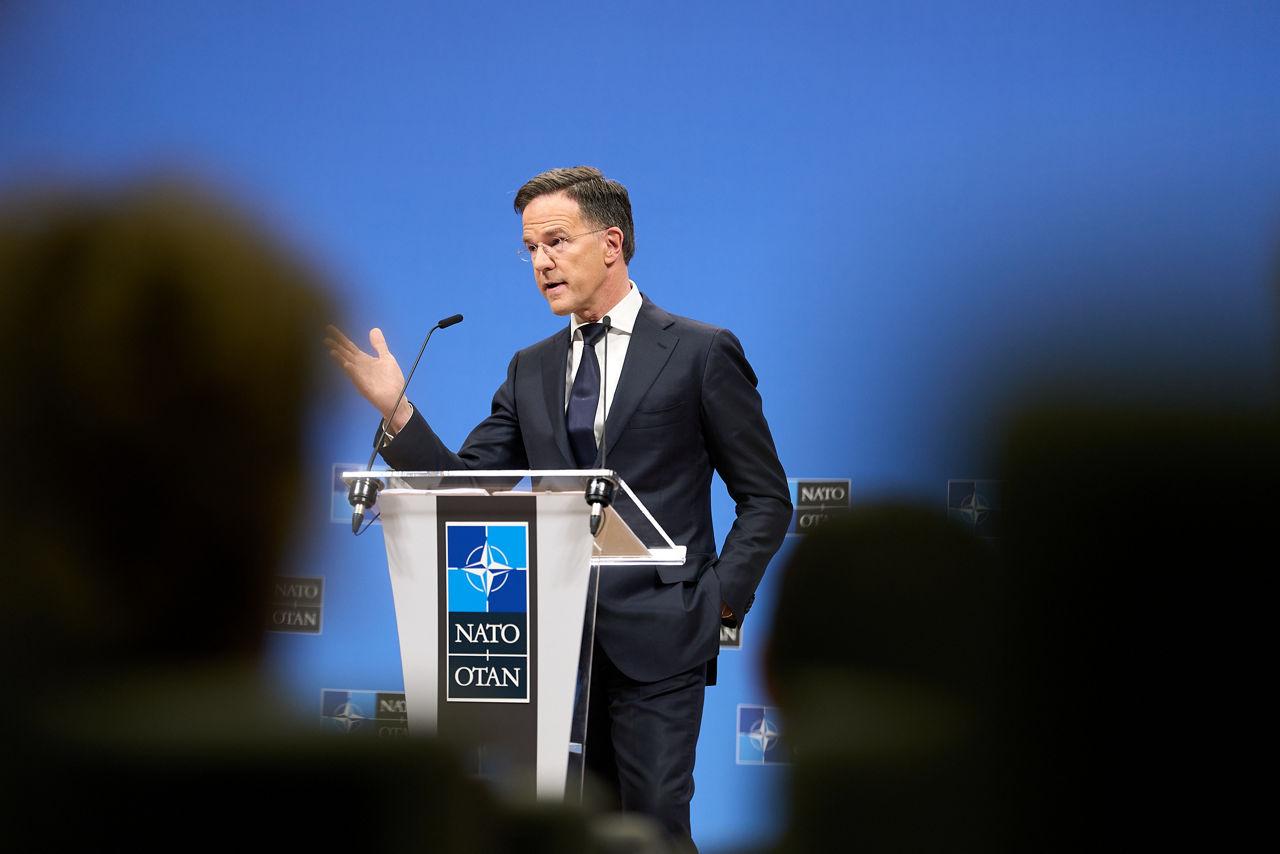
So far the effect has been modest. Mark Rutte said that Putin “can never win against NATO” adding: “I don’t take this seriously.” Latvian Defence Minister Raivis Melnis does not see an imminent threat. Publicly, no one is reporting changes in the readiness of Russia’s nuclear forces. The risk lies elsewhere. Nikolai Sokov of the Vienna Center for Disarmament and Non-Proliferation, a former Russian diplomat, told Reuters: “I see a risk of mutual miscalculation.” The more widely Moscow stretches its red lines, the harder it becomes to distinguish a ritual warning from a signal that must be taken seriously. We saw the same pattern – a warning without specifics – with Putin’s threats over the detention of shadow fleet tankers, and it is accompanied by a sabotage campaign whose scale is hard to count reliably today.
A blurred threshold, not a shifted one
Russia did not need to change its doctrine. An informal letter that adds a new interpretation to it was enough. Moscow is not shifting the nuclear threshold, it is blurring it. A shifted threshold can be measured. A blurred one cannot.
Author: Artur Żak