
Russian nickel continues to reach Western markets via Finland – despite the war and sanctions against Russia. Billionaire Vladimir Potanin’s plant in Harjavalta processes Russian raw materials, while other companies in his group work for Russia’s military-industrial complex.
Finnish anti-war activists are demanding an end to this: on 14 October, a signature drive began in the country calling for a ban on imports of Russian nickel.
In brief
- Nornickel’s plant in Harjavalta processes Russian raw materials and supplies finished products to Western markets
- The plant belongs to Vladimir Potanin’s group. The billionaire himself is under sanctions imposed by the United States and several other countries, but European restrictions do not prohibit imports of Russian nickel matte
- In 2025, nickel matte accounted for around 80% of the value of all Finnish imports from Russia – more than €670 million
- At the same time, Nornickel companies supplied metal to Russia’s military-industrial complex
- Anti-war activists are demanding a ban on imports of Russian nickel. On 14 October, signature collection for a citizens’ initiative to that effect began in Finland
- Finnish politicians are divided over the ban. Some are calling for restrictions on trade with Nornickel, while others fear job losses
A window to Europe
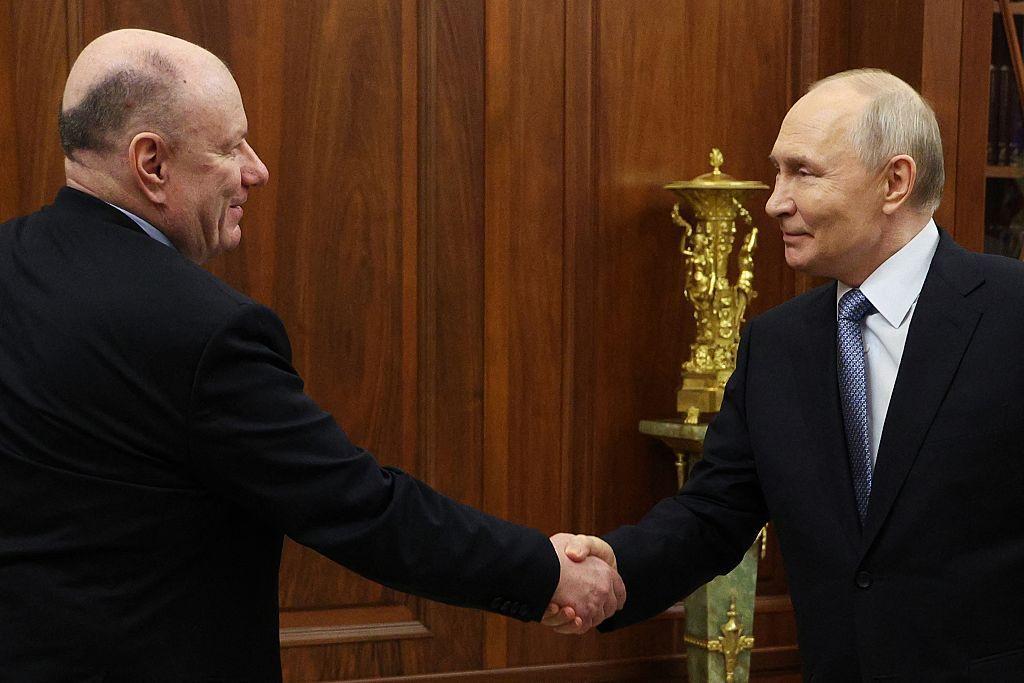
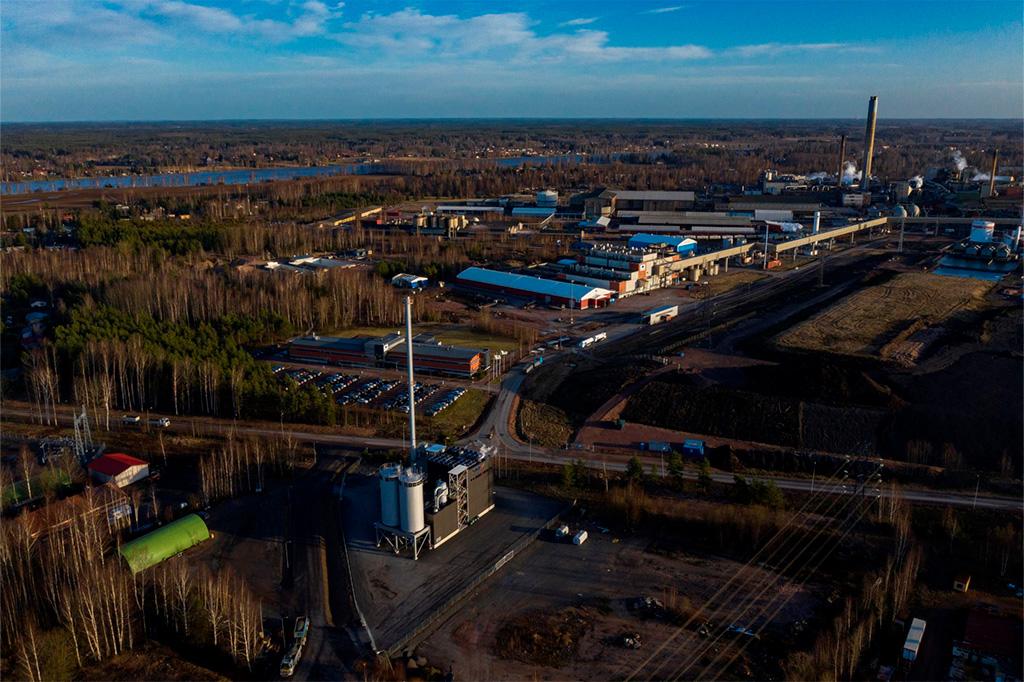
At the centre of the dispute is a metallurgical plant in the Finnish town of Harjavalta owned by the Russian group Nornickel. Its largest shareholder is billionaire Vladimir Potanin, whom the US authorities describe as a close associate of Vladimir Putin.
The history of the Harjavalta plant began long before Russian capital arrived there. The plant was founded in 1959 and originally belonged to the Finnish industrial group Outokumpu. In 2000, it passed to the American OM Group, which developed the production of nickel chemicals and expanded the plant’s capacity.
In 2007, Nornickel acquired OM Group’s nickel business for $408 million. The deal included the Harjavalta plant, mining assets in Australia and a stake in the Finnish Talvivaara project. The acquisition was approved by the European Commission.
Today, the plant operates under the name Norilsk Nickel Harjavalta Oy. It is part of the Russian Nornickel group and is listed among the group’s foreign production assets in its 2025 annual report.
Vladimir Potanin himself explained the plant’s strategic importance: the group needs it to supply products to Europe and, in part, to America.
“For us, it is a window to Europe, to the Western world,” Potanin said.
Finland itself was also interested in developing the Harjavalta plant. In December 2021, the company announced that the state agency Business Finland had awarded it a €15 million grant to expand nickel production, including for the battery industry.
After Russia launched its full-scale invasion of Ukraine, Finland sharply reduced its economic ties with Russia and joined NATO in April 2023. The Harjavalta plant, however, continued to operate.
This was made possible by the particularities of sanctions legislation. The European Union has not introduced a general ban on imports of Russian nickel matte – an intermediate product of metallurgical processing that is delivered to the Finnish plant.
Potanin himself is under personal sanctions imposed by the United States, the United Kingdom and Canada, but he has not been placed on the EU sanctions list. In September 2026, Ukraine once again proposed that Brussels impose restrictions on him and on the owner of NLMK, Vladimir Lisin, but this did not happen.
“Everyone is aware about these guys but avoiding any action against them. But now arguably there is leverage to push this forward,” Vladyslav Vlasiuk, the Ukrainian president’s commissioner for sanctions policy, told Politico.
According to him, Potanin’s and Lisin’s companies work for Russia’s war economy, and adding the two businessmen to the EU sanctions list could effectively cut Nornickel and NLMK off from the European market.
Nickel into Finland, copper back out
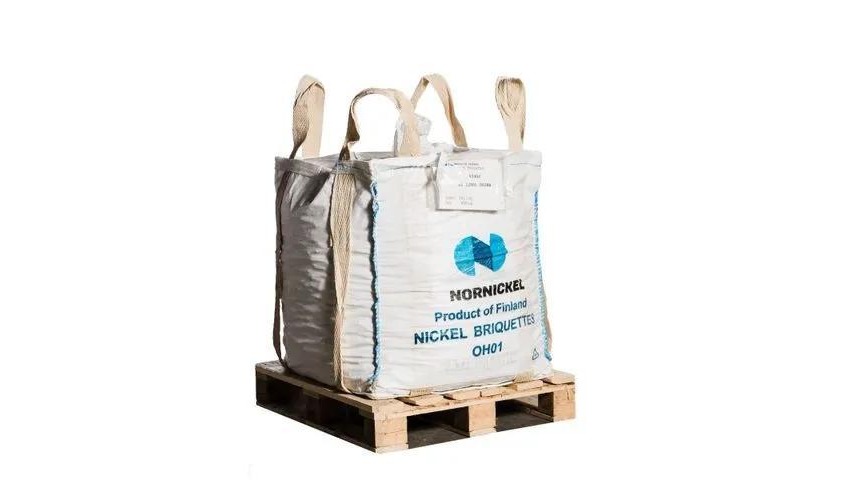
The nickel feedstock is produced at Nornickel’s Russian facilities, undergoes initial processing and is then shipped to Finland. At the Harjavalta plant, it is turned into nickel cathodes, briquettes and nickel compounds. The plant’s products are used in metallurgy, including in the production of battery materials.
The scale of the trade can be gauged from Finnish Customs statistics. In 2025, the country imported goods worth €840.85 million from Russia. Of this, €673.37 million, or around 80%, was nickel matte.
According to NICKEL22, in 2025 Finland imported around 90,000 tonnes of nickel and nickel products from Russia – roughly the same amount as before the full-scale invasion of Ukraine. Between 2022 and 2025, imports of this product group totalled around 365,000 tonnes, worth €4.1 billion.
A Global Witness investigation states that around 94% of the Finnish plant’s feedstock came from Nornickel’s Russian production sites.
Russian nickel is delivered through the Vainikkala railway border crossing. The Finnish authorities have kept it open to freight trains, despite closing the land border with Russia to ordinary road and passenger traffic.
After processing at the Harjavalta plant, Russian nickel can be considered a product of Finnish origin and reach Western markets, including the United States, despite the restrictions on Russian metals.
According to Global Witness, the Finnish plant’s main customer is the United States: since April 2024, the US has imported nearly $130 million worth of unwrought nickel from Finland, and Germany more than $50 million. The investigators also identified those involved in the supply chain. The American TMP Metals Group confirmed that it remains the exclusive distributor of Nornickel products in the US. Belgium’s Umicore reported purchasing limited volumes of nickel and cobalt products from the plant. The customs documents examined also feature the Luxembourg-based trader Traxys, which did not disclose the details of its commercial relations.
Some of the metals contained in the Russian feedstock return from Finland to Russia. The copper cake produced during nickel processing is sent to Nornickel’s plant in Norilsk for further recovery of copper and other valuable metals.
Until spring 2026, the copper-bearing intermediate product was shipped by sea from the Finnish port of Pori to Murmansk. However, new EU sanctions affecting the port of Murmansk led to the suspension of shipments along this route. The management of Norilsk Nickel Harjavalta looked for alternative ways of delivering the cargo to Russia.
Nornickel and Russia’s military-industrial complex
While the Finnish plant was processing Russian nickel for Western markets, another company in the group was supplying metal to a Russian tank manufacturer.
In September 2025, Global Witness published an investigation based in part on documents obtained by the Ukrainian project Trap Aggressor. According to the invoices examined, in December 2023 Kola Mining and Metallurgical Company, part of the Nornickel group, sold 27 tonnes of nickel cathodes to Uralvagonzavod. The purchases were worth 48 million roubles, or around $524,000 at the exchange rate of the time. Uralvagonzavod, part of the state corporation Rostec, manufactures and upgrades Russian tanks used in the war against Ukraine.
Defence Intelligence of Ukraine (HUR) reports that Nornickel has supplied metals to other enterprises of Russia’s military-industrial complex. According to Ukrainian intelligence, the Potanin-linked company Normetimpex supplied nickel to Salut, which produces engines for Russian military aircraft, as well as cobalt to the Mayak nuclear complex.
In March 2025, Potanin also signalled that he was open to taking part in developing rare earth metal deposits in the territories of Ukraine occupied by Russia. As Reuters reported, the businessman spoke of the need for additional geological surveys in the territories that Russia calls “new”.
Between sanctions and jobs: Finland’s difficult choice
Anti-war activists oppose the continuing supplies of Russian nickel to Finland. As early as 15 September 2026, representatives of the Ukrainian community organised a demonstration in Helsinki, demanding the closure of the sanctions loophole that allows Russian raw materials to reach Nornickel’s Finnish plant.

On 14 October, a citizens’ initiative was launched to ban the import and processing of Russian nickel feedstock. Its authors propose a transition period so that the Harjavalta plant can switch to raw materials from other countries or change ownership. If the initiative collects 50,000 signatures, it must be considered by the country’s parliament.
The issue of Russian nickel has, however, already been raised at parliamentary level. On 8 October, six days before signature collection began, MPs from three parties – Oras Tynkkynen (Green League), Mikko Savola (Centre Party) and Aleksi Jäntti (the governing National Coalition Party) – submitted a written question to the government. They asked the government to explain why imports of Russian nickel are continuing, whether Finland supports adding Potanin to the EU sanctions list, and whether the plant could be transferred to a Finnish or other Western owner while preserving jobs.
Yet there is no common position among Finnish politicians. The Nornickel plant is an important employer for the Satakunta region: it employs around 300 people, and its operations generate orders for local contractors and other companies.
Centre Party MP Eeva Kalli supports tougher sanctions against Russia but opposes extending them to nickel. In her view, it is necessary to assess whom new restrictions would harm more – Russia, or Finland and the European Union. Social Democrat Juha Viitala also opposes a unilateral ban: by his estimate, hundreds of jobs depend directly on the plant’s operations, and up to a thousand indirectly.
Finland’s Ministry for Foreign Affairs has confirmed that imports of Russian nickel matte remain legal. At the same time, Minister for Foreign Trade and Development Ville Tavio expressed hope as early as May 2026 that strategically important companies would eventually come under Finnish or Western control.
Author: Volha Siamashko
Official Russian and Belarusian sources cited in this text are for informational purposes only. Content from these sources may constitute disinformation or propaganda.