
The General Staff of the Armed Forces of Ukraine put Russian personnel losses in September 2026 at 46,230 – the highest figure this year – while, according to analysts at ISW and Black Bird Group, Russia lost more territory at the front than it captured in the same month. These data suggest that Moscow is paying more and more for less and less, but they do not yet prove that its army is shrinking.
In brief
- The General Staff of the Armed Forces of Ukraine put Russia’s September personnel losses at 46,230, the highest monthly figure of 2026.
- According to estimates by economist Janis Kluge, Russia was signing around a thousand military contracts a day in August, and around 234,000 between January and August, compared with 260,000 a year earlier.
- By ISW’s count, Russia’s territorial balance in September was minus 80.81 km², and by Black Bird Group’s count minus 190 km²; some of these changes were reported with a delay and relate to fighting in previous months.
- Comparing losses with the number of contracts does not make it possible to measure how much the army has shrunk, as some of the wounded return to service, but it does indicate that the personnel replenishment system is operating with no reserve.
- Russian troops are still conducting local offensives, but counter-attacks near Lyman, Kupiansk and Dobropillia, as well as strikes on supply lines, are raising the price of every assault.
The costliest month of the year
Let us start with people, since it is the ratio of losses to replacements that determines how long Russia can sustain the current intensity of offensive operations. According to General Staff data from 1 October, Russian personnel losses in September amounted to 46,230. In January the same source gave a figure of 31,710, in February 26,090, and from March onwards the figures rose almost every month: to 39,290 in June, 42,860 in July and 42,020 in August. September was the third consecutive month in which losses exceeded 40,000.
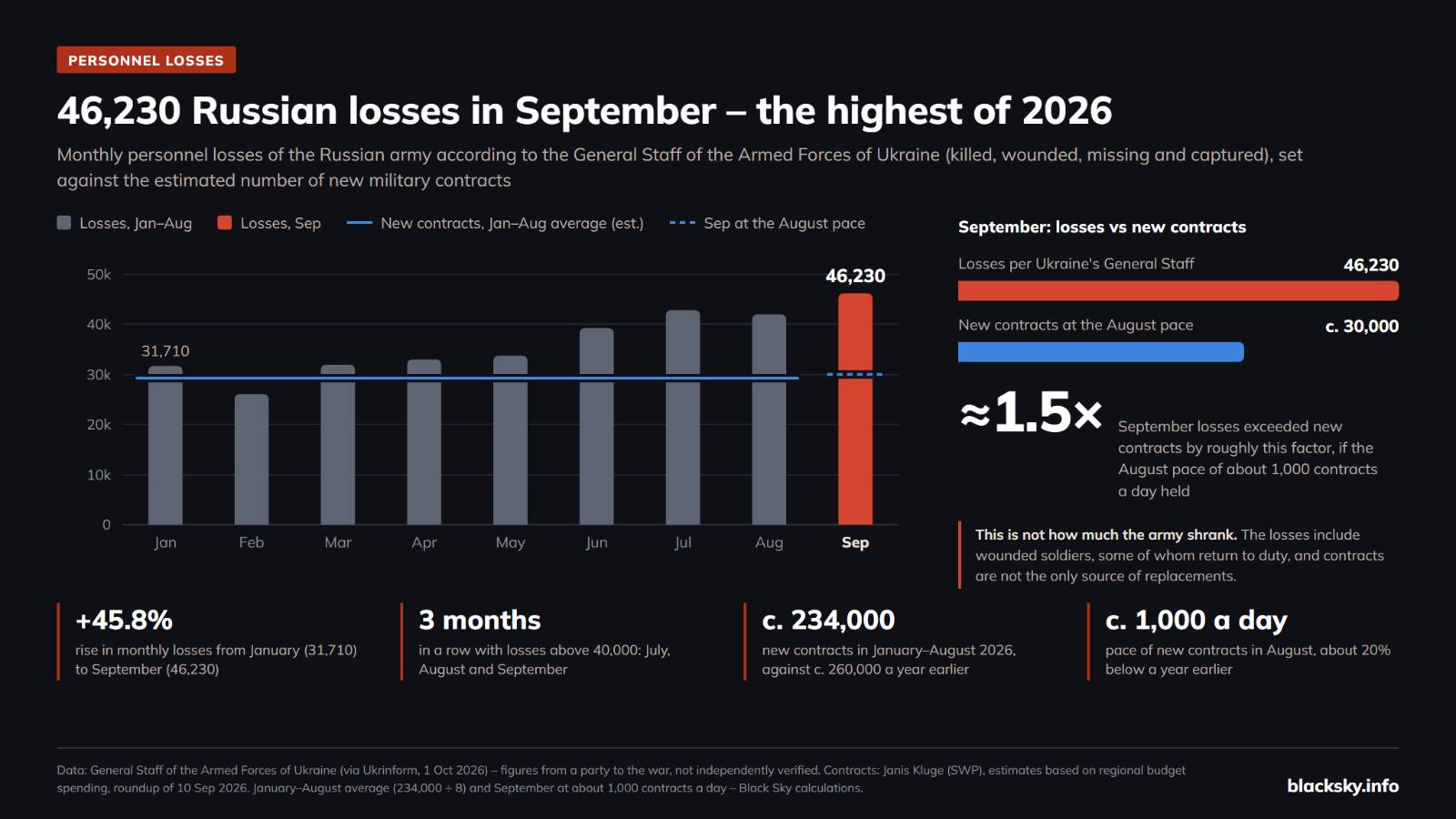
This is an estimate by a party to the war that cannot be independently verified. As The Kyiv Independent explains, it covers the killed, wounded, missing and captured, so it is not a count of those killed in action. Independent estimates, however, point to the same trend. Seth Jones and Riley McCabe of the Washington-based Center for Strategic and International Studies (CSIS), in a report of 1 July, cited an estimate that Russian combat casualties in the first half of the year reached 30,000–34,000 a month, most likely exceeding monthly recruitment, which was estimated at around 27,000.
The summer foliage that was supposed to hide Russian infantry from drones did not reduce losses: the highest figures came in the months with the densest vegetation.
On the other side of the balance sheet is recruitment. Janis Kluge, an economist at the Berlin-based German Institute for International and Security Affairs (SWP), estimated the number of new contracts in a review of 10 September on the basis of regional budget spending on sign-up bonuses. According to his figures, Russia was signing around a thousand contracts a day in August, roughly a fifth fewer than a year earlier, and around 234,000 between January and August, compared with 260,000 in the same period of 2025. Recruitment weakened despite higher payments and more frequent coercion. Federal data for the first half of the year, however, still point to a slight increase; Kluge attributes this discrepancy mainly to the seasonality of central budget spending.
A contract is not yet a soldier in a trench
If the pace in September remained the same as in August, Russia signed around 30,000 contracts, while losses, according to the General Staff, were one and a half times higher. The comparison is striking, but it does not show how much the army has shrunk. Some of the wounded return to their units after treatment, and contracts do not cover all sources of replacements, such as reservists. Only quantities of the same kind can be subtracted.
Let us check what can be said more cautiously. Ukrainian intelligence, cited by Euronews on 28 August, reported that in the first half of the year Russia lost around 240,000 troops, including around 140,000 killed or seriously wounded, and signed 232,000 contracts, clearly more than Kluge’s regional data suggest. If this proportion were applied to the General Staff’s September figure, bearing in mind that it comes from a different dataset, irrecoverable losses would amount to around 27,000, almost as many as the estimated number of contracts signed. This is a simple calculation based on unverified data, not a measurement. It does, however, allow for a thesis more cautious than the slogan “losses exceed recruitment”: Russia’s personnel replenishment system covers its losses with practically no margin and creates no surplus from which new groupings could be formed.
Numbers are half the problem. Zoe Neiman of the London-based Royal United Services Institute (RUSI), in a commentary of 29 September, describes forced detentions and pressure to sign contracts in at least 17 regions, and sees the Kremlin’s main constraint not as a shortage of men but as the rising cost of persuading them. The Veter project documented for the Novaya Gazeta Europe website 218 cases in which seriously wounded soldiers were sent to the front before completing their treatment. If replacements barely cover losses, it is hard to find reserves for rotating units and time for training. This is a way to fill the ranks. It is not a way to build the combat power needed to attack under drone surveillance.
Gross map, net map and the grey zone
At first glance, the territorial balances contradict one another. The Washington-based Institute for the Study of War (ISW), in an assessment of 1 October summarised by Euromaidan Press, calculated that in September Russia captured 175.54 km² and lost 256.35 km², giving a net balance of minus 80.81 km². In the variant that takes infiltration into account, that is, including areas into which small groups have penetrated without establishing control, the loss rises to 175.18 km². Finland’s Black Bird Group gave a figure of minus 190 km² and called it the largest monthly net territorial loss for Russia in its dataset since June 2023.
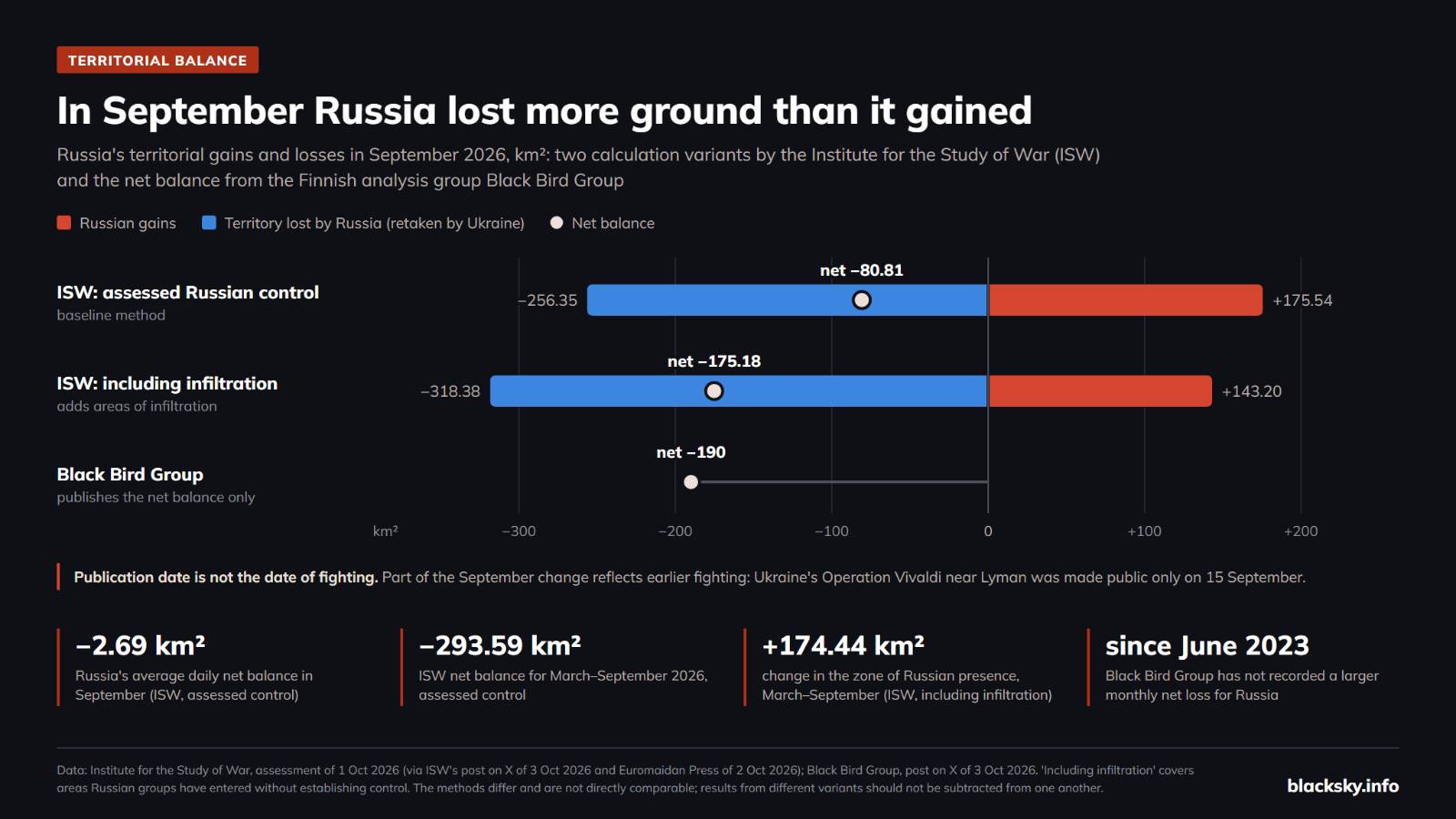
The discrepancies stem mainly from definitions. The net balance is the difference between territorial gains and losses, so a negative result does not mean that the Russians did not advance anywhere. Nor does a soldier with a flag in a basement on the outskirts of a village mean control of the village. Some cartographers mark the grey zone, the strip controlled by neither side, earlier, while others wait for further confirmation. When the results amount to a few dozen square kilometres, such a difference can change the sign of the monthly balance.
The second problem is timing. Ukraine’s 3rd Army Corps had been conducting offensive operations north of Lyman since late spring–early summer, but its commander, Andrii Biletskyi, confirmed Operation Vivaldi only on 15 September, explaining that such operations require silence. ISW, cited by Newsweek, noted that it does not know how much territory Russia lost specifically in September, as it has no data on the dates on which the outskirts of Lyman were liberated. Black Bird Group adds that its statistics reflect the state of the map at a given moment and are not adjusted retroactively. The date of publication is not the date of the event.
That is why the overall trend matters more than any single month. According to ISW, between March and September Russia lost a net 293.59 km² of territory under its firm control, while its zone of presence, including infiltration, grew by 174.44 km². These are two different indicators and cannot be subtracted from one another. Together, however, they point to something important: Russian infantry is penetrating beyond the territory that Russia is able to hold. The negative balances in April and May, the modest gains in summer and another minus in September do not look like a seasonal anomaly.
Counter-attacks that draw off reserves
The significance of Ukrainian counter-attacks is not measured solely in kilometres. Olena Davlikanova of the Center for European Policy Analysis (CEPA) describes in an analysis of 2 October how, during Operation Vivaldi, electronic warfare systems blinded Russian reconnaissance drones while ground robots cleared roads and laid mines ahead of the infantry. The operational effect matters more than the area. The Centre for Eastern Studies noted on 25 August that the Russians cannot develop an envelopment of the Sloviansk–Kramatorsk agglomeration from the north precisely because of the counter-attacks near Lyman. A threatened flank needs covering, and a battalion guarding supply routes is not storming Sloviansk.
A similar logic applies near Kupiansk. Since the beginning of 2025, the Russians have been using bridgeheads on the western bank of the Oskil to infiltrate towards the city. The R.U.G. Assault Regiment of the Khartiia National Guard Corps reported on 3 September that it had cleared another 4 km² between Dvorichna and Zakhidne. Reaching the river could cut off the route by which Russian infantry seeps into Kupiansk.
The situation near Dobropillia is the least clear-cut. Russian sabotage and reconnaissance groups entered the city from the east and north-east, and on 22 September the Russian Ministry of Defence announced the encirclement of the local stronghold. Four days later, commanders of the 1st Azov Corps and the 425th Skelia Assault Regiment, which is under its operational command, denied these reports, saying that Russian assault groups are bled dry before they reach their positions. The Russians, however, have not stopped attacking. Confirming an encirclement requires evidence that roads have been cut and are under sustained control, and no such evidence has been presented.
Here I must qualify my own thesis. Almost all data on Ukrainian successes and the losses inflicted on the enemy come from Ukraine, which is silent about its own losses. CSIS estimates Ukrainian losses since February 2022 at 525,000–625,000 killed and wounded. According to the authors of the same report, albeit with considerable uncertainty, the ratio of Russian to Ukrainian losses rose to nearly 8:1 in the first half of 2026. Active defence also consumes people.
Drones and logistics raise the price of an assault
The rise in Russian losses cannot be separated from Ukrainian strikes on front-line logistics. ACLED, a project that collects data on armed incidents, counted in a report of 30 July 361 Ukrainian attacks in the first half of the year along the R-280 highway corridor and at the crossings to Crimea; nine in ten of them were carried out by drones. The authors predicted that Russian supply in the south would become slower, more expensive and less predictable, noting that they count attacks, not destruction.
The mechanism is simple. Without fuel, generators do not run; without electricity, the batteries of drones and electronic jamming systems cannot be charged, so the infantry loses its protection against enemy drones. Supply teams move on foot or on motorcycles and become targets themselves. Evacuating the wounded from a zone under constant surveillance is sometimes impossible, and a wounded soldier who cannot be carried out may end up among the irrecoverable losses.
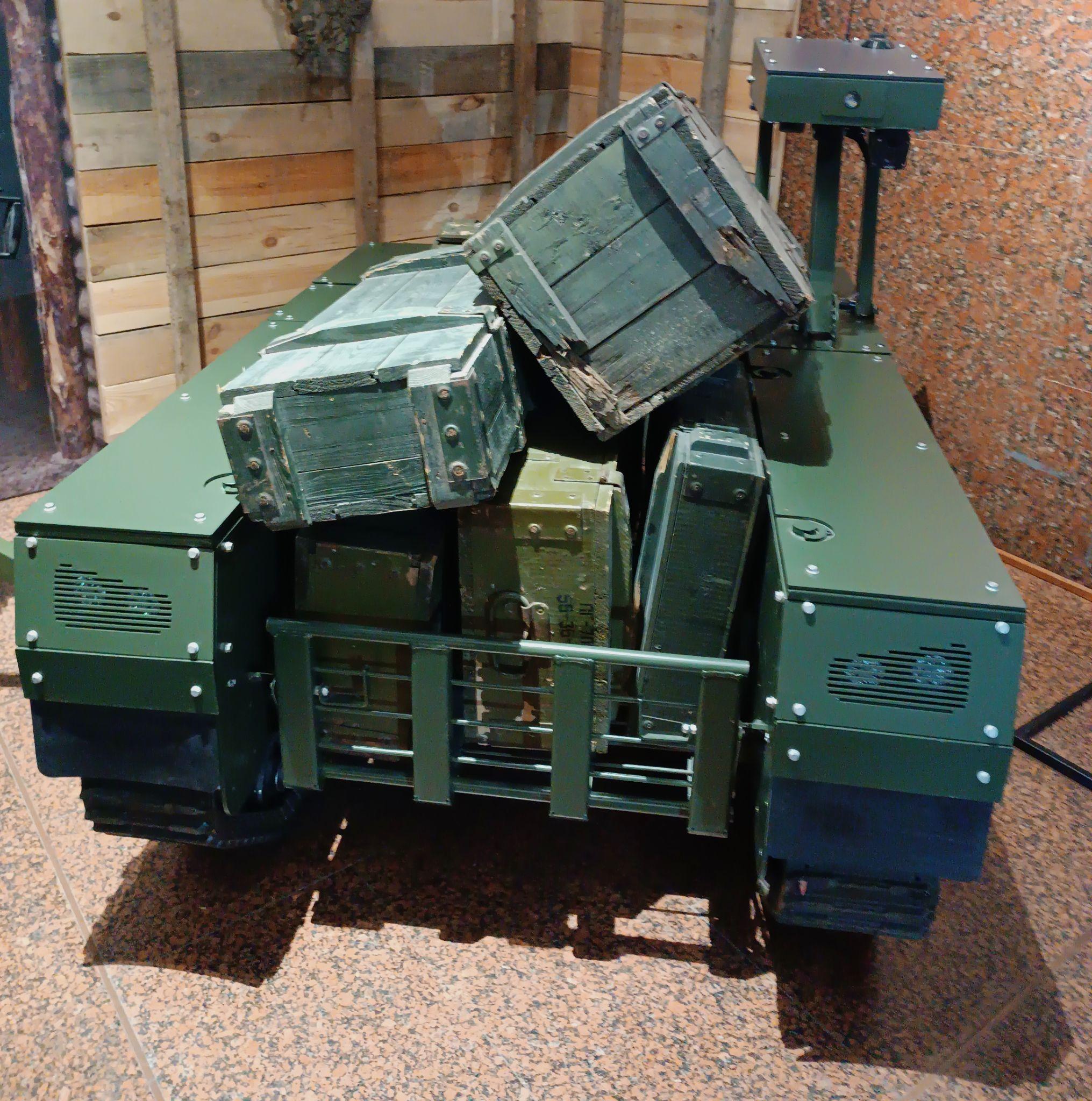
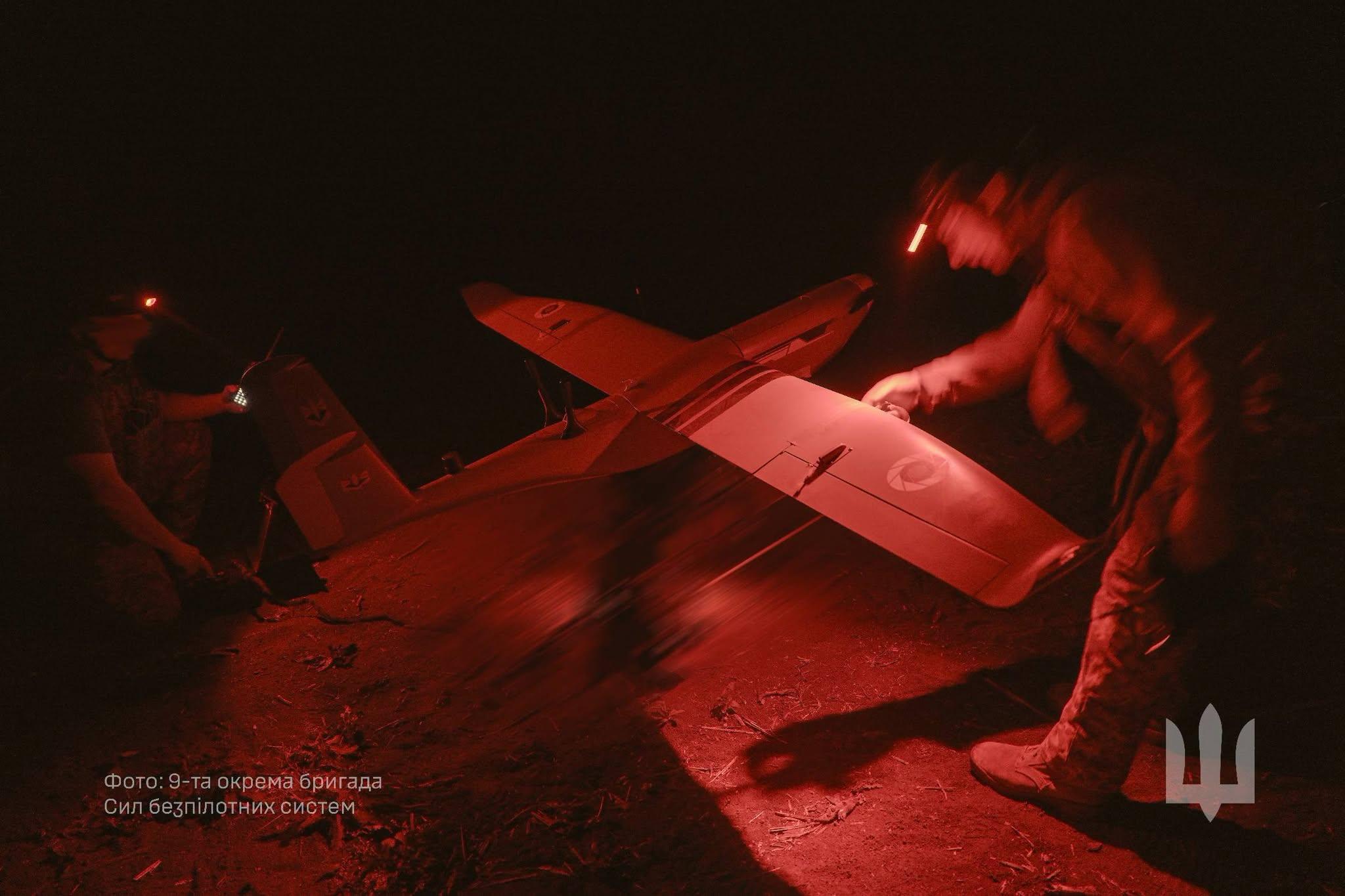
The commander of the Unmanned Systems Forces, Robert “Madyar” Brovdi, reported on 6 October that in the first five days of the month his formation’s drones had killed or wounded 2,699 Russians, compared with 1,931 in the same period of September. A hit, however, does not mean a confirmed death, and the rise in losses may have other causes: falling leaves, fortifications, terrain or the Russian command’s decision to attack at any cost. A coincidence of phenomena does not prove causation. It proves only that the Russian offensive is taking place under conditions that systematically raise its price.
Reports from another war
Against this backdrop, the official Russian picture of the war seems to describe a different front. On 1 October, at the Valdai Club forum, Vladimir Putin claimed that Russia had taken control of 1,301 km² in September and spoke of the offensive accelerating. ISW compared this figure with its own balance – minus 80.81 km² – and admitted that it could not determine whether Putin was knowingly presenting false data or relying on fabricated figures resulting from what ISW describes as a culture of lying deeply embedded in the Russian command system. We have analysed the Valdai speech itself separately.
There are other such discrepancies. As early as November 2025, Defence Minister Andrei Belousov congratulated troops on capturing Mala Tokmachka near Orikhiv, whereas, as Ukrainska Pravda recalls, according to DeepState the Russians had reached only its south-eastern part. The Russian command announced the capture of Kostiantynivka in early July, and a few days later Meduza established that Ukrainian units were still holding positions in the city centre.
Propaganda, however, is not the same as the flow of information within an army, and this is where the limit of the evidence lies. We are not aware of any publicly documented case in September of an order being issued on the basis of a false report. The mechanism, on the other hand, is easy to describe. A commander has an incentive to report that a task has been completed, and his superior to pass an even more favourable picture up the chain. If reserves are allocated according to such a map, the next units receive tasks detached from reality. This is a hypothesis, not an established fact, although it fits the observed pattern.
Mobilisation and strikes on the rear will not substitute for a breakthrough
Moscow has two levers to change this calculation. The first is mobilisation. Ukrainian intelligence claimed in August that the Kremlin had decided to mobilise 300,000 people in each of 2026 and 2027 and would announce this after the State Duma elections on 18–20 September. Alyssa Dowling of the Jamestown Foundation noted in early October that these fears had not materialised: the Kremlin is continuing contract recruitment and, by a decree of 28 September, increased the authorised strength of the armed forces by 15,500 service members. Black Bird Group allows for the possibility of a limited mobilisation to form a grouping for an offensive in northern Ukraine, but cautions that the outcome would depend on how the personnel were used.
The Moscow Times points to a shortage of officers, command structures and equipment, while the military analyst Dmitry Kuznets believes that increasing the size of the grouping would not in itself bring a comparable increase in its effectiveness. Mobilisation would remove quantitative constraints, but not qualitative ones. If the new soldiers are again scattered among small infiltration groups, this will prolong the current way of fighting, but not change it.
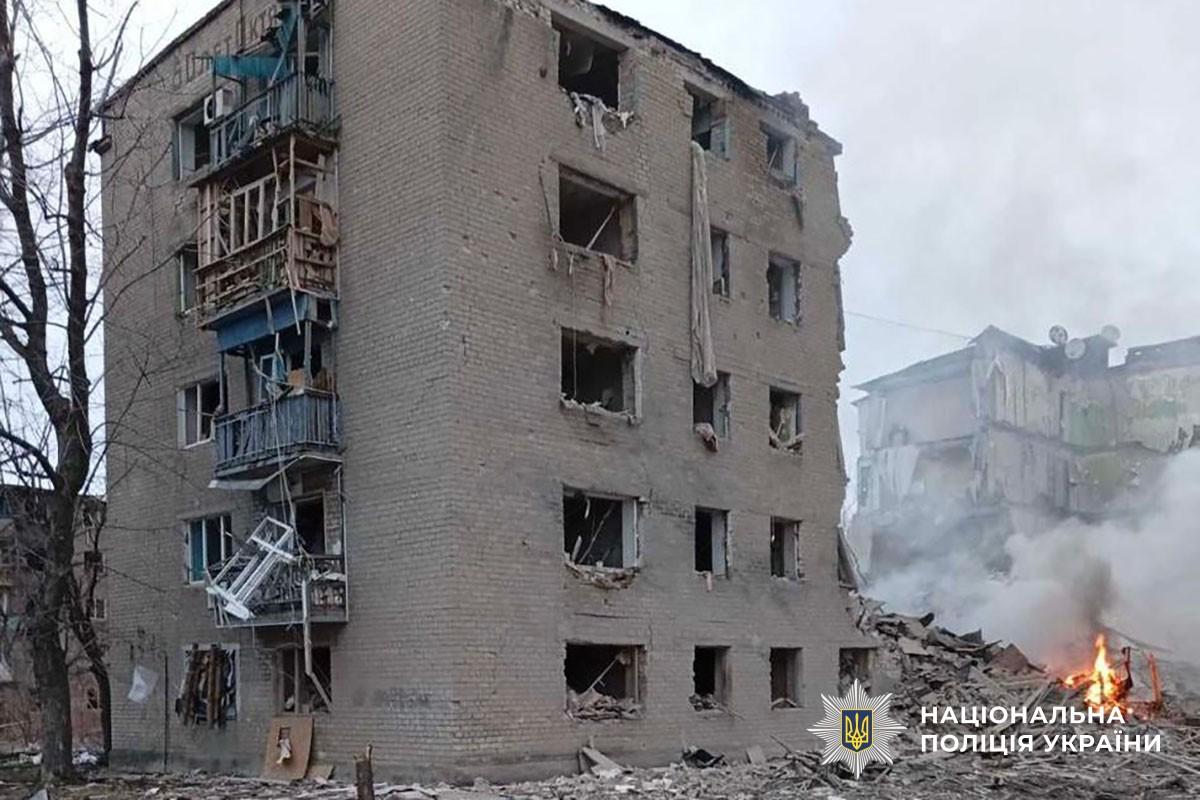
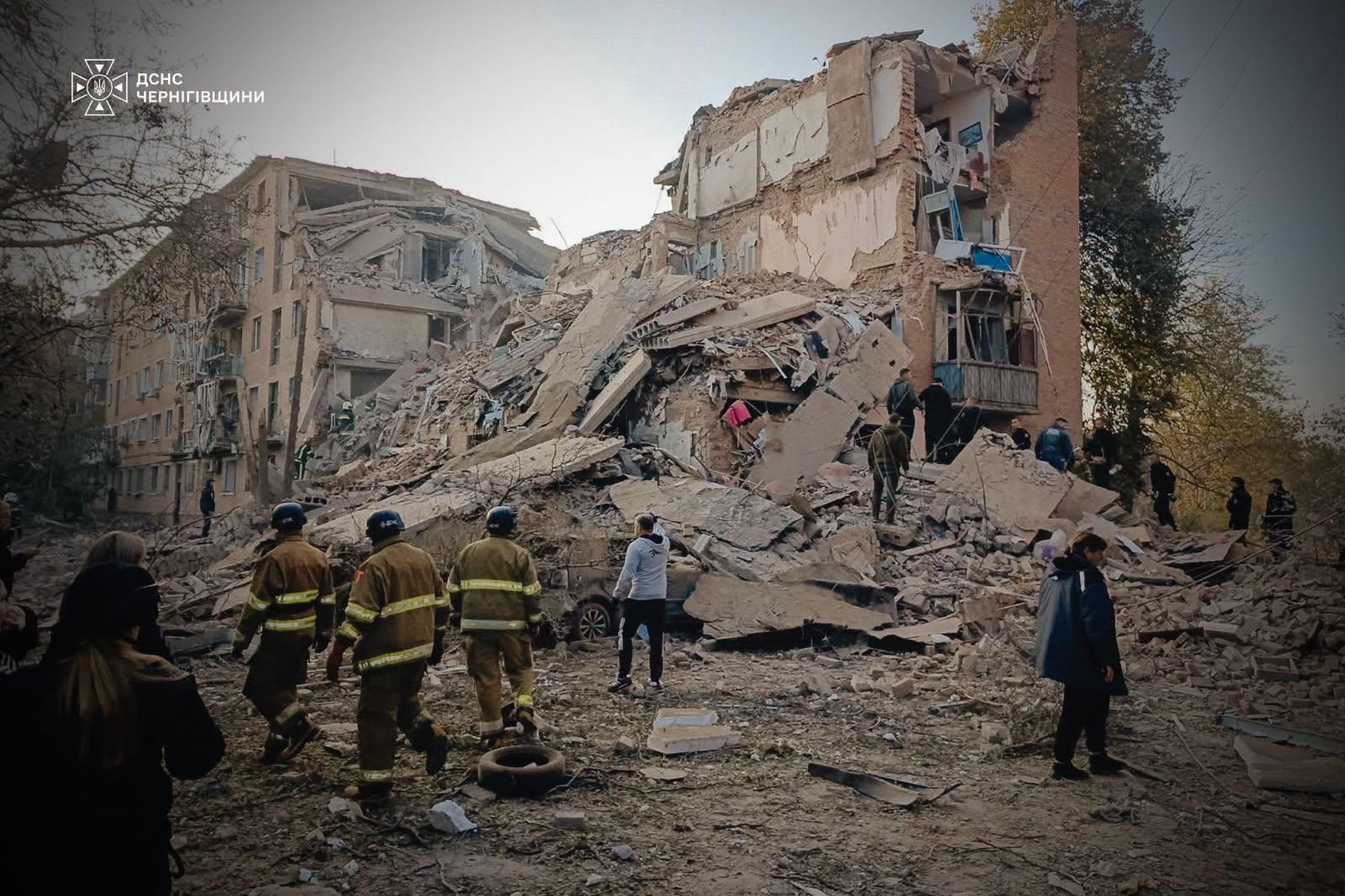
The second lever is strikes on Ukraine’s rear. Since the beginning of September, Russia has intensified attacks on railways, bridges, ports and energy infrastructure, and on the night of 6–7 October it launched around 70 missiles and 130 drones. This campaign is testing the resilience of Ukraine’s rear, and the harm to civilians is real regardless of the military effect. Black Bird Group, however, believes that the campaign is unlikely to force Ukraine into political concessions, although it may divert some Ukrainian resources from the front. In my view, this link is weaker than is often assumed: the means of countering cruise missiles over cities are not fully interchangeable with what the infantry in the trenches needs.
Ukraine’s ability to regenerate its forces also has its limits. The head of the Office of the President, Kyrylo Budanov, said in late August that the country cannot mobilise fewer than 30,000 people a month, while the number of service members who have left their units without authorisation during the war has exceeded 100,000, according to Euromaidan Press. Western support has not run dry. According to the Kiel Institute for the World Economy, European institutions allocated almost €11 billion to Ukraine in May and June under a new loan, but Europe remains dependent on access to American weapons.
It is the offensive that is weakening, not the war machine
Does the slowdown point to a lasting weakening of Russian capabilities, or is it a temporary phase in a war of attrition? My assessment: the evidence points to a lasting weakening of offensive capability, not of the capability to wage war. Russia is replacing its losses and maintaining pressure on many sectors, but since March it has not turned this into territorial gains, and the quality of its replacements is declining. September did not start this trend; it merely made it more visible.
The most likely scenario for the winter is continued attrition with local advances near Kostiantynivka and Dobropillia, as well as a campaign against the energy sector. The mobilisation option would require the Kremlin to bear political costs and spend months on training, cadres and equipment. The trend would shift in Russia’s favour primarily if Ukraine stopped replenishing its own brigades or ran short of Western air defence systems and ammunition. Black Bird Group considers the capture of the whole of Donetsk region by 2027 increasingly unlikely. I share this assessment, but it is a forecast, not a fact.
The key unknowns are the breakdown of Russian losses into irrecoverable and temporary ones, the scale of Ukrainian losses, and the real number of contracts behind the federal data. The assessment could be changed by Kluge’s September and October data, a possible mobilisation decree and ISW’s October balance. For now, Moscow is paying with people for time, not for victory.
Author: Artur Żak