
Romania’s town of Sighet is home to the world’s first and Europe’s largest Memorial to the Victims of Communism and to the Resistance
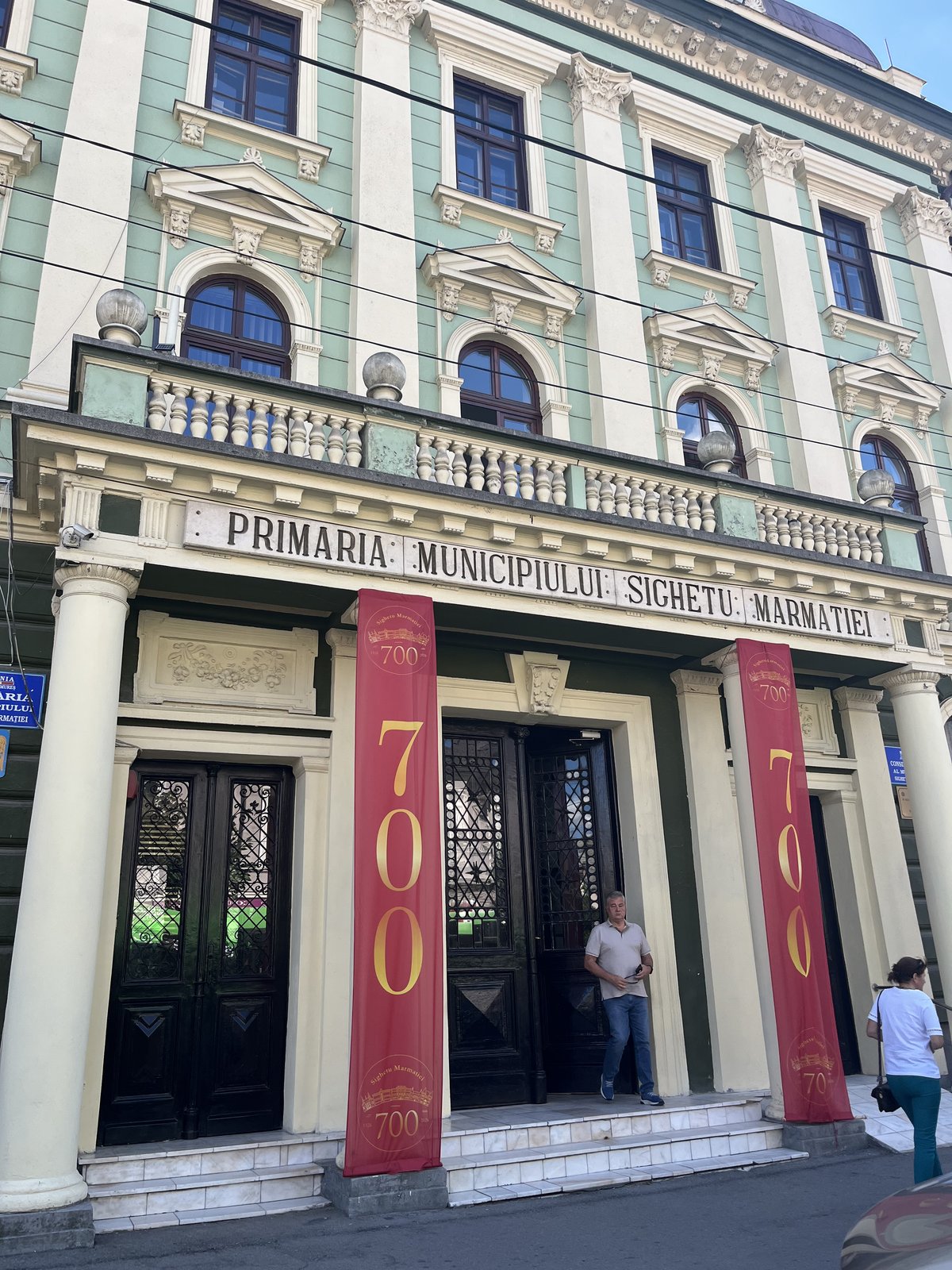
This summer I finally did something I had long dreamed of: I visited the “capital” of historical Maramureș – the town of Sighet (today Sighetu Marmației). It is now a county town of up to 35,000 inhabitants on the left bank of the Tisza in northern Romania. Under Austria-Hungary, Sighet was the administrative centre of the Maramureș comitatus, which took in settlements of what are now the Rakhiv, Tiachiv, Khust and Mizhhirya districts of Ukraine’s Zakarpattia region, as well as the north-eastern Tisza basin of present-day Romania. The town’s former grandeur is attested by the architectural gems raised in those years and carefully looked after today – the buildings of the former city hall and the present-day mayor’s office, the Reformed, Ukrainian Greek Catholic and Orthodox churches, the Jewish synagogue and a row of residential houses in the centre.
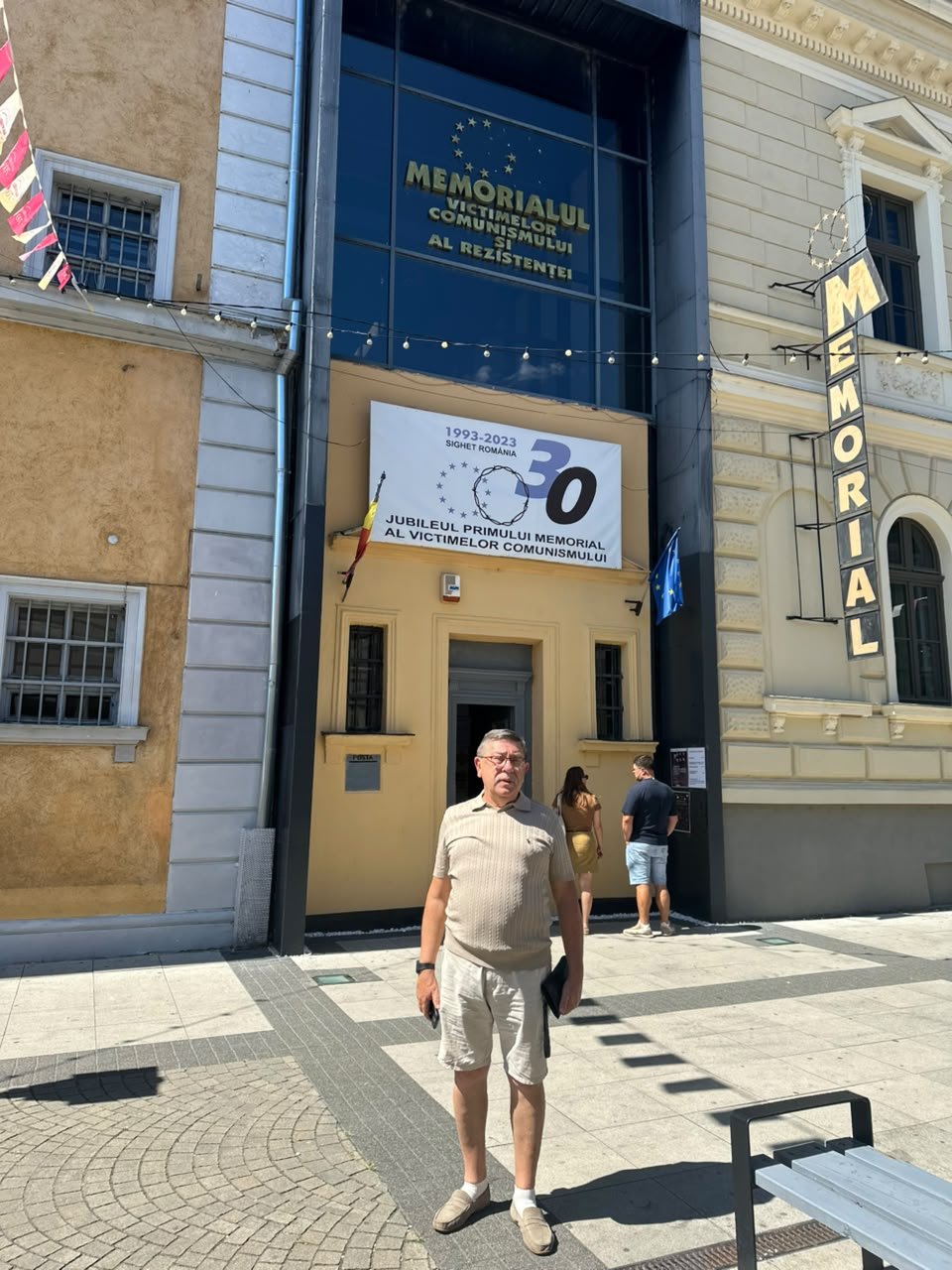
But Sighet also has a monumental building with a grim fame – the former town prison, built in 1897. After the Second World War it became a kind of gulag of communist Romania, where from the early 1950s to the late 1970s people who failed to rejoice in the “communist paradise” were dealt with, had their lives broken and were put to death. Since 1993 the former prison has housed the world’s first and Europe’s largest Memorial to the Victims of Communism and to the Resistance. Its 88 cells have been turned into thematic rooms whose displays tell of the different components of totalitarianism: deportations, collectivisation, communist propaganda, religious persecution and the life of political prisoners. It is this museum I want to tell you about, because visiting it made a powerful emotional impression on me and prompted reflection on our Ukrainian realities – both historical and present-day.
In brief:
- A Stalinist-style communist regime in Romania very quickly built its own system for imprisoning opponents of the dictatorship
- A torture house for the national elite
- The Sighet Memorial is one of the continent’s principal places of remembrance
- Why Ukrainians are not bringing their collective memory back to its senses
A divided Maramureș
Romania within its present borders took final shape after the First and Second World Wars. In the First World War the Romanians fought “on the right side” – that of the Entente. Under the Treaty of Saint-Germain (1919) and the Treaty of Trianon (1920), which recorded the break-up of the Austro-Hungarian empire, it therefore received enormous territories. First of all Transylvania, together with part of historical Maramureș. The victors divided the former north-eastern Hungarian comitatus between the newly created Czechoslovakia (three fifths of the territory) and Romania (two fifths, including Sighet). The border between the states ran along the Tisza and did not follow the ethnic line – Romania received part of the lands where more than 40,000 Rusyn-Ukrainians lived.
With the start of the Second World War the Second Vienna Award (1940) returned Northern Transylvania to Hungary, while the USSR seized Northern Bukovina, including Chernivtsi, and Bessarabia. This pushed the Romanians into becoming allies of Nazi Germany. With Hitler’s permission, Romanian troops occupied in 1941 the Chernivtsi region, Bessarabia, the Odesa and Mykolaiv regions and part of the Vinnytsia region of Ukraine, and founded the governorate of Transnistria there. In return for this “gift” the Romanians sent 22 of their divisions to the eastern front, where they were utterly routed during the battle of Stalingrad in the Don steppes at the end of 1942.
In the occupied Ukrainian territories the Romanians, like the Hungarians, were notable for their cruelty towards the local civilian population. On a single day, 23 October 1941, their punitive units in Odesa shot and burned alive between 25,000 and 30,000 residents of the city, most of them Jews.
Later, seeing how the war was going, Romania’s King Michael went over to the anti-Hitler coalition in September 1944, for which he received from Joseph Stalin the highest Soviet military decoration, the Order of Victory, and consent to keep the Ukrainian-settled lands of Maramureș. This despite insistent petitions by Turianytsia, head of the People’s Council of Transcarpathian Ukraine, and Khrushchev, head of the government of the Ukrainian SSR, to attach them to Zakarpattia. And so the unification of Maramureș never happened…
A Stalinist-style Romanian dictatorship
When the Second World War ended, power in Romania was predictably seized by the communists, who crudely falsified the results of the first post-war elections. On 30 December 1947 King Michael abdicated (Stalin’s Order of Victory did not help!) and left for Switzerland. The leaders of the democratic opposition were arrested and their parties banned. From the beginning of 1948 a harsh totalitarian dictatorship was established in the country, headed by Gheorghe Gheorghiu-Dej and, from 1965, by Nicolae Ceaușescu; it lasted until December 1989.
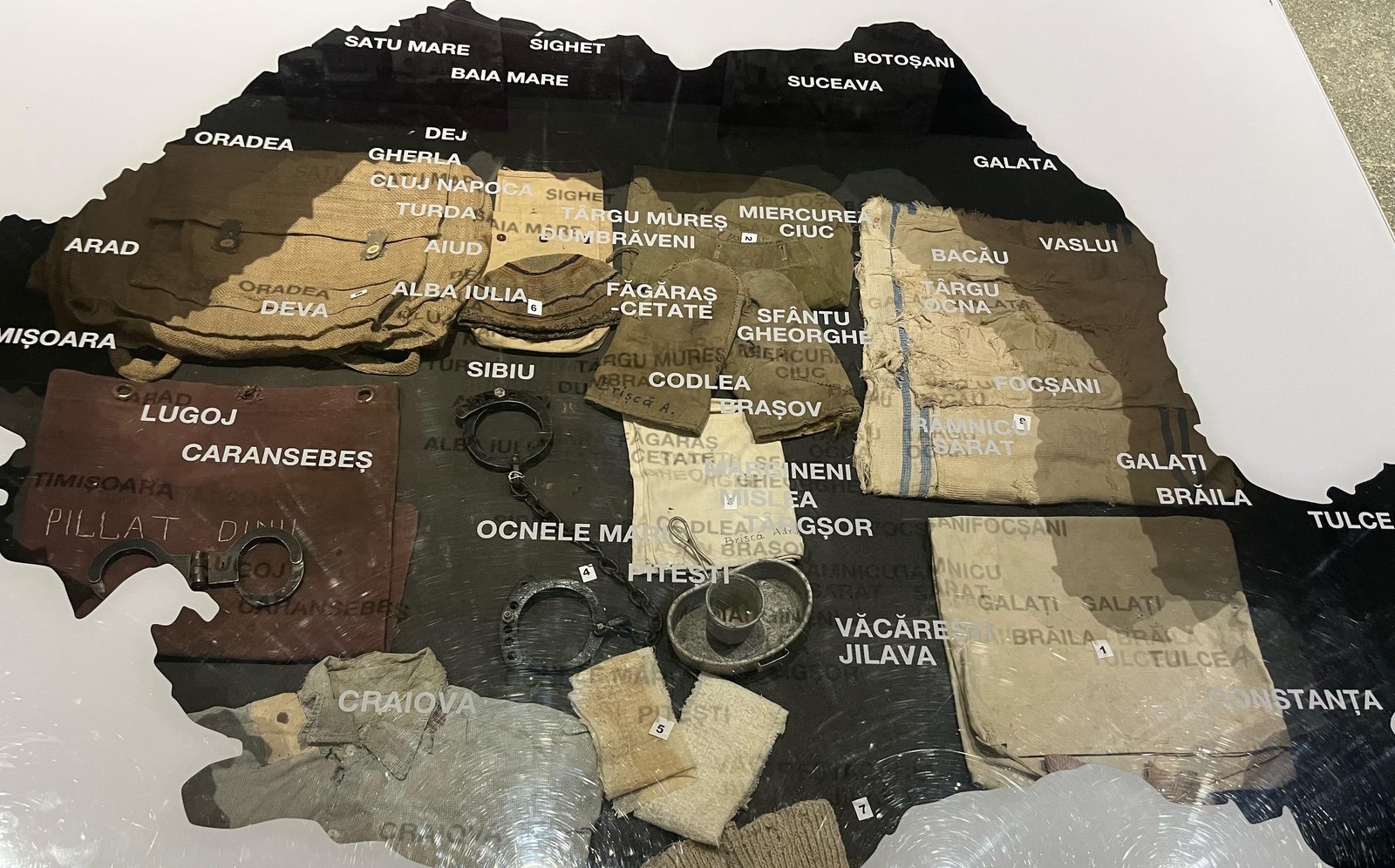
This bloody Stalinist-style regime very quickly built in Romania its own system for imprisoning opponents of the communist dictatorship. It involved 230 prisons and detention zones, labour camps, “sorting centres”, psychiatric clinics and other specialised institutions for persecuting dissenters.
Geographically Sighet is the country’s northernmost town, a kind of Romanian Norilsk, and its prison – being the furthest from the capital, Bucharest – had a special role in that system. Under the communist regime it became one of the most terrible places of confinement for the country’s political elite.
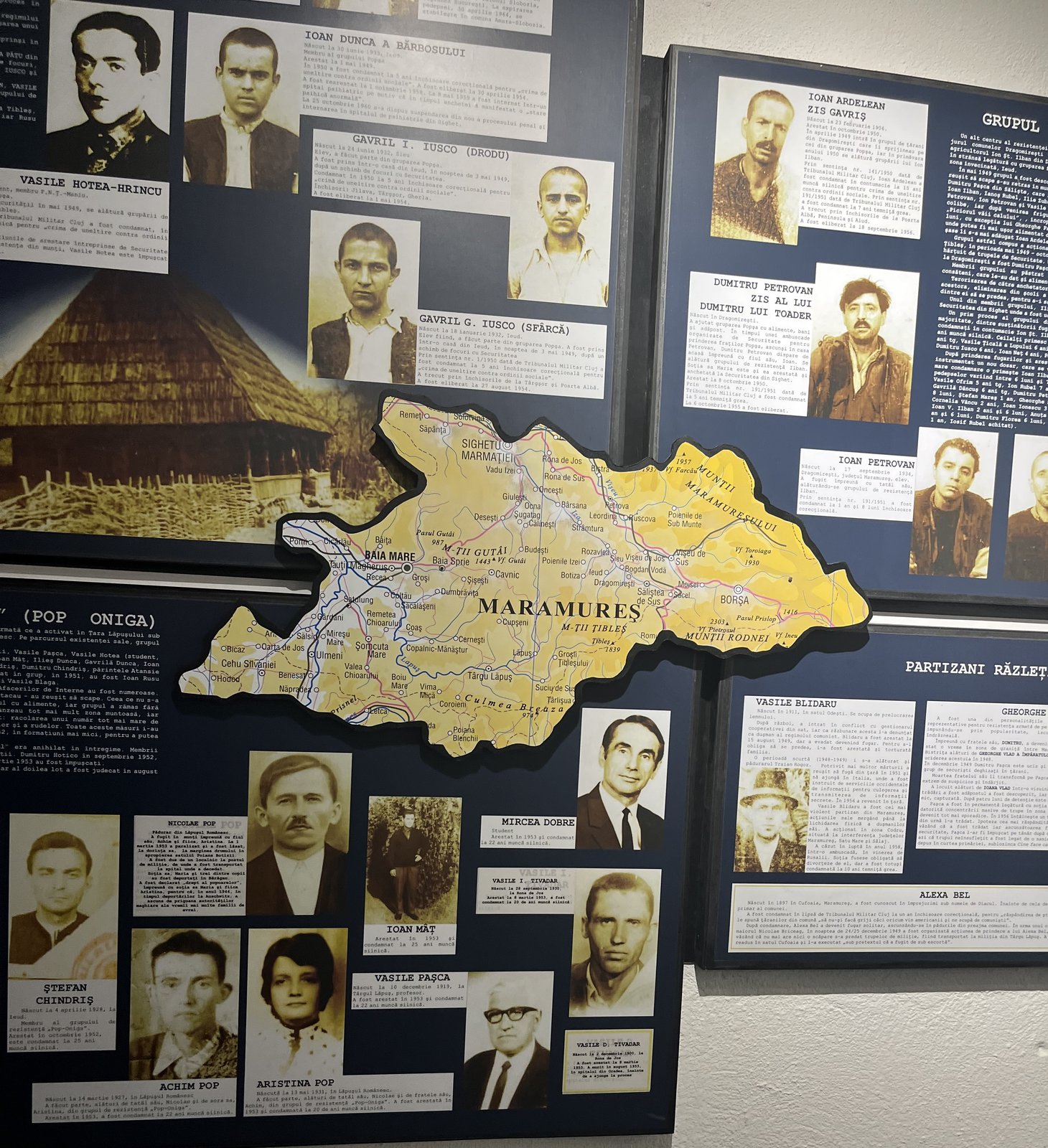
The convicts, most of them already elderly – over 60 – at first did not even know which town they were serving their sentence in. The prison, which had maximum-security status, was heavily guarded so that nobody could escape. And even in the improbable event of a successful escape a prisoner was doomed: where was there to run, when two kilometres from the prison lay the border with the USSR…
The prison cells held more than 200 figures regarded as the most dangerous to the communist regime, 52 of whom died while serving their sentences. The prison’s first “residents”, back in 1948, were free-thinking students and senior schoolchildren from Sighet and farmers from the surrounding villages. In May 1950 more than a hundred former senior officials of the country were brought here: ex-ministers, politicians, journalists, academics and university lecturers, historians, economists and military men, sentenced to long terms. From the autumn of 1950 nearly 50 Greek Catholic and Roman Catholic bishops and priests were added to this population.
A maximum-security torture house for the nation’s elite
Romania’s communist regime deported to one of the cruellest maximum-security prisons the whole of the country’s former political, cultural, academic and spiritual elite. Among the inmates of the Sighet prison were two former heads of government – Iuliu Maniu and Constantin Argetoianu.
Iuliu Maniu was three times prime minister between 1928 and 1933. He was arrested in 1947 on fabricated charges of “high treason” and sentenced to life imprisonment. He died on 5 February 1953 in his cell at the age of 80, and his body was thrown into an unmarked common grave.
Constantin Argetoianu, a diplomat and politician, headed the government from September to November 1939. He was arrested during the so-called “night of dignity” in May 1950, when more than a hundred former government officials were detained at once. He died in prison on 6 February 1955 in unexplained circumstances.
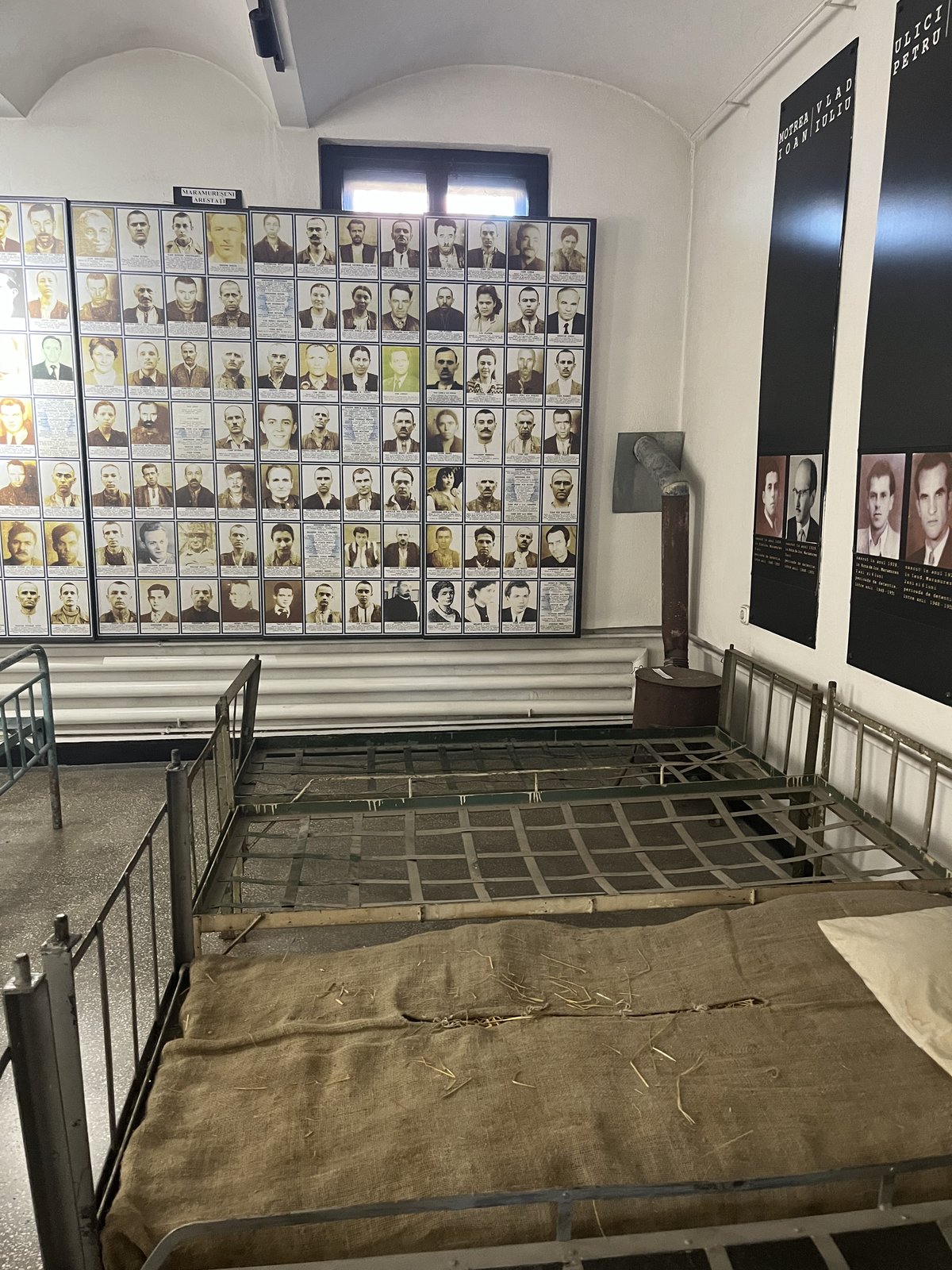
Besides them, those who served sentences in this torture house included the dean of the bar associations of Târgu Mureș and Timișoara and deputy state secretary at the ministry of justice, Aurel Baciu (died in his cell in 1953); the state secretary for culture, mayor of Cluj and Orăștie and journalist Sebastian Bornemisa (died in 1953, burial place unknown); the eminent historian, politician and professor Gheorghe I. Brătianu, son of prime minister Ionel Brătianu (died in 1953 in prison in unexplained circumstances); the politician, statesman and public figure and long-time leader of the National Liberal Party Constantin (Dinu) Brătianu (died in 1950 in his cell at the age of 84); the former governor of the National Bank Dimitrie Burileanu (died in his cell in 1954 from exhaustion and lack of medical care); and the former interior minister Ion Cămărășescu (died in his cell in 1953).
Dozens of Romanian churchmen ended their earthly road in this prison, among them the Roman Catholic bishop of Iași, Anton Durcovici. For refusing to cooperate with the communist authorities he was secretly arrested by Securitate agents in June 1949. After interrogation and torture in Bucharest he was moved to the prison in Sighet, where he was held in isolation and deprived of clothing, warmth, medical care, water and food. He died of exhaustion and hunger in his cell on 10 December 1951. His body was buried in an unmarked grave. On 17 May 2014, by decision of Pope Francis, Bishop Anton Durcovici was officially proclaimed Blessed of the Catholic Church as a martyr for the faith.
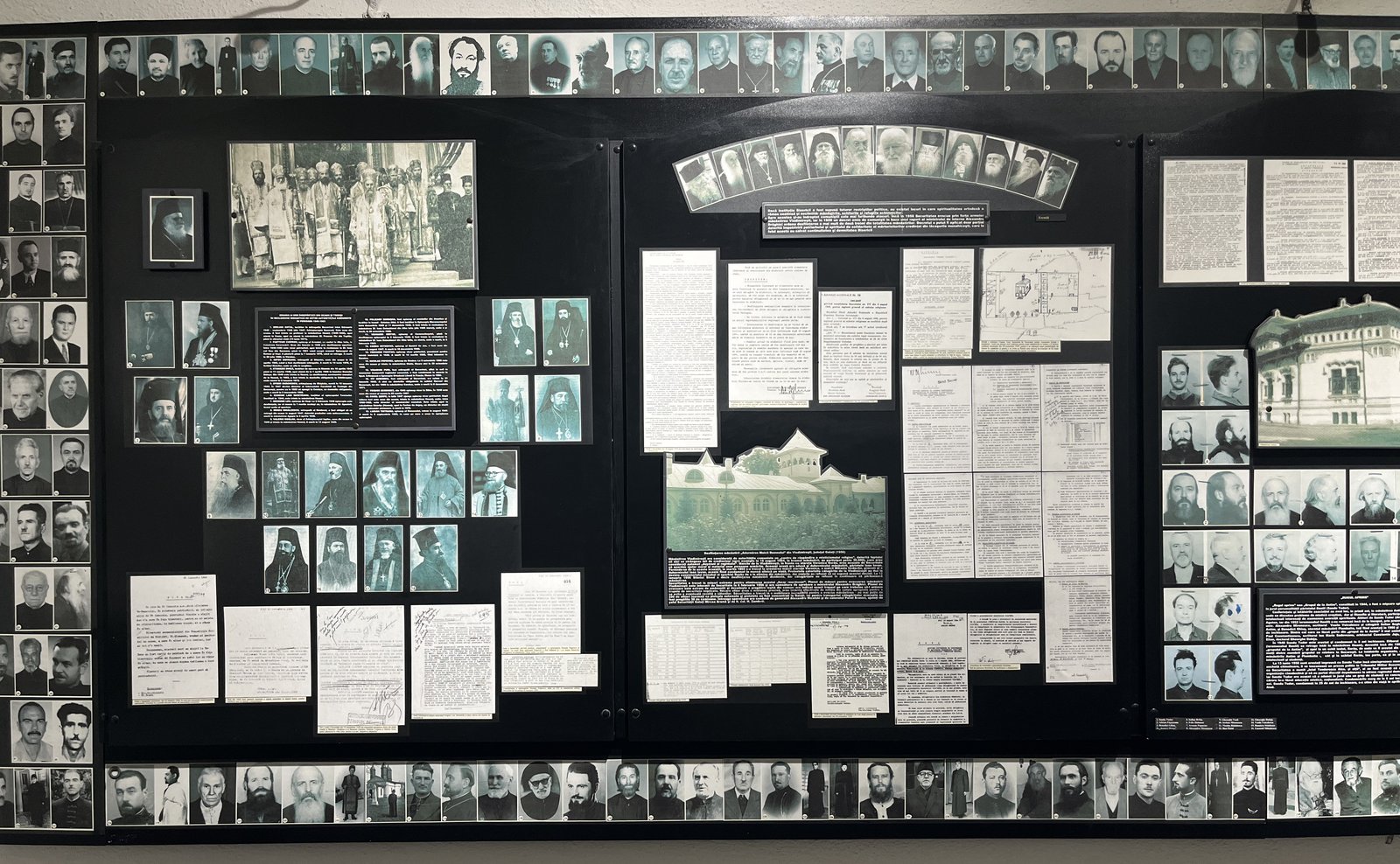
His sad fate was shared by the Greek Catholic bishop of the Lugoj eparchy, Ioan Bălan, imprisoned for refusing to convert to the Orthodox church. He died in 1959. In 2019 Pope Francis beatified him.
One man who managed to survive the inhuman conditions of the torture house was Corneliu Coposu, deputy general secretary of the National Peasants’ Party. He spent 17 years in communist prisons (in Sighet and Râmnicu Sărat) and in forced settlements, eight of them in complete isolation. Immediately after the fall of the Ceaușescu dictatorship in December 1989, Corneliu Coposu formally revived the party under the name Christian Democratic National Peasants’ Party and became its leader.
A talisman against forgetting
In 1977 the prison in Sighet was closed, and its building became first an industrial enterprise, then a warehouse, and gradually fell into decay. In 1992 the idea arose among civic activists of creating on its site a Memorial to the Victims of Communism and to the Resistance. The author of the idea was Ana Blandiana, a poet and public figure and the daughter of an Orthodox priest repressed during the communist dictatorship.
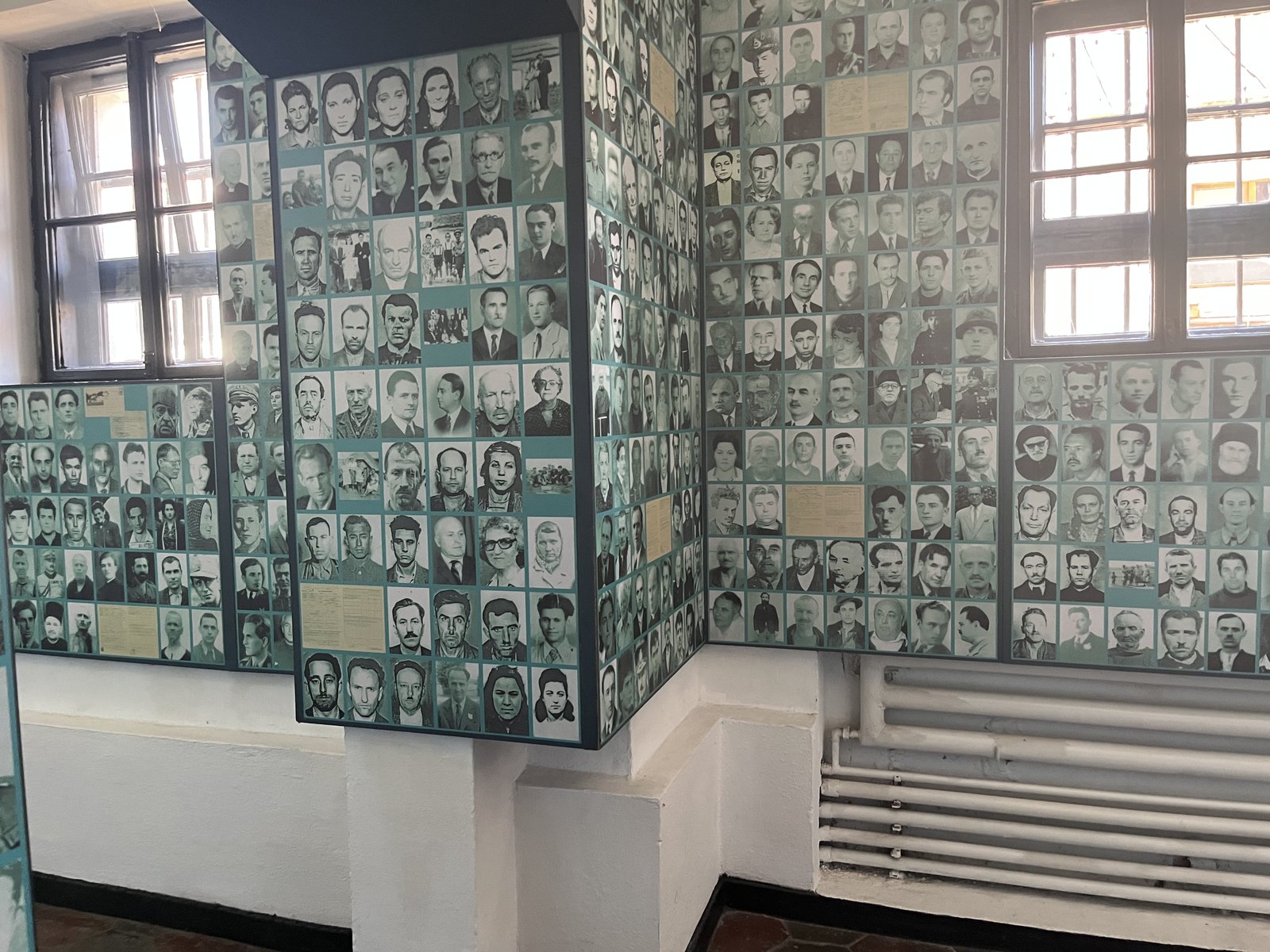
The former prison was restored and a museum opened in it which today serves as a mental talisman against forgetting the tragedy the Romanians lived through under communist despotism. The research centre created and led by Romulus Rusan began as early as 1993 to collect oral history recordings and photographs, documents, letters, newspapers, books, reference works and albums, to organise seminars, symposia and meetings between victims of communism and Romanian and foreign historians, and to publish books of testimony, research, statistics and documents on the anti-communist resistance and the repression of it. To date the centre has made more than 5,000 hours of recordings, published 35,000 pages of books and holds tens of thousands of documents, while the corridor walls are covered with thousands of photographs of people who passed through the communist torture houses.
The museum’s first rooms opened in 1997, and the institution was declared an “ensemble of national interest” devoted to research into the communist past in Eastern Europe. In 1998 the Council of Europe named the Sighet Memorial one of the continent’s principal places of remembrance.
The former cells of this terrible political prison today serve as thematic museum rooms: an interrogation room with a table and a typewriter, where investigators of the Securitate secret police literally beat out the testimony they needed for the record; rooms devoted to the persecution of peasants who resisted collectivisation (more than 30,000 people were repressed), of clergy, of servicemen, of academics, university lecturers and entrepreneurs…
As in the camps of the Gulag, political prisoners in Romania were forced to work in mines, in factories and on farms. The largest construction site, where 40,000 “enemies of the people” hacked at stony ground by hand, was the Danube–Black Sea canal – the Romanian counterpart of the Soviet White Sea Canal. Communist repression in Romania was on a mass scale and touched almost every family.
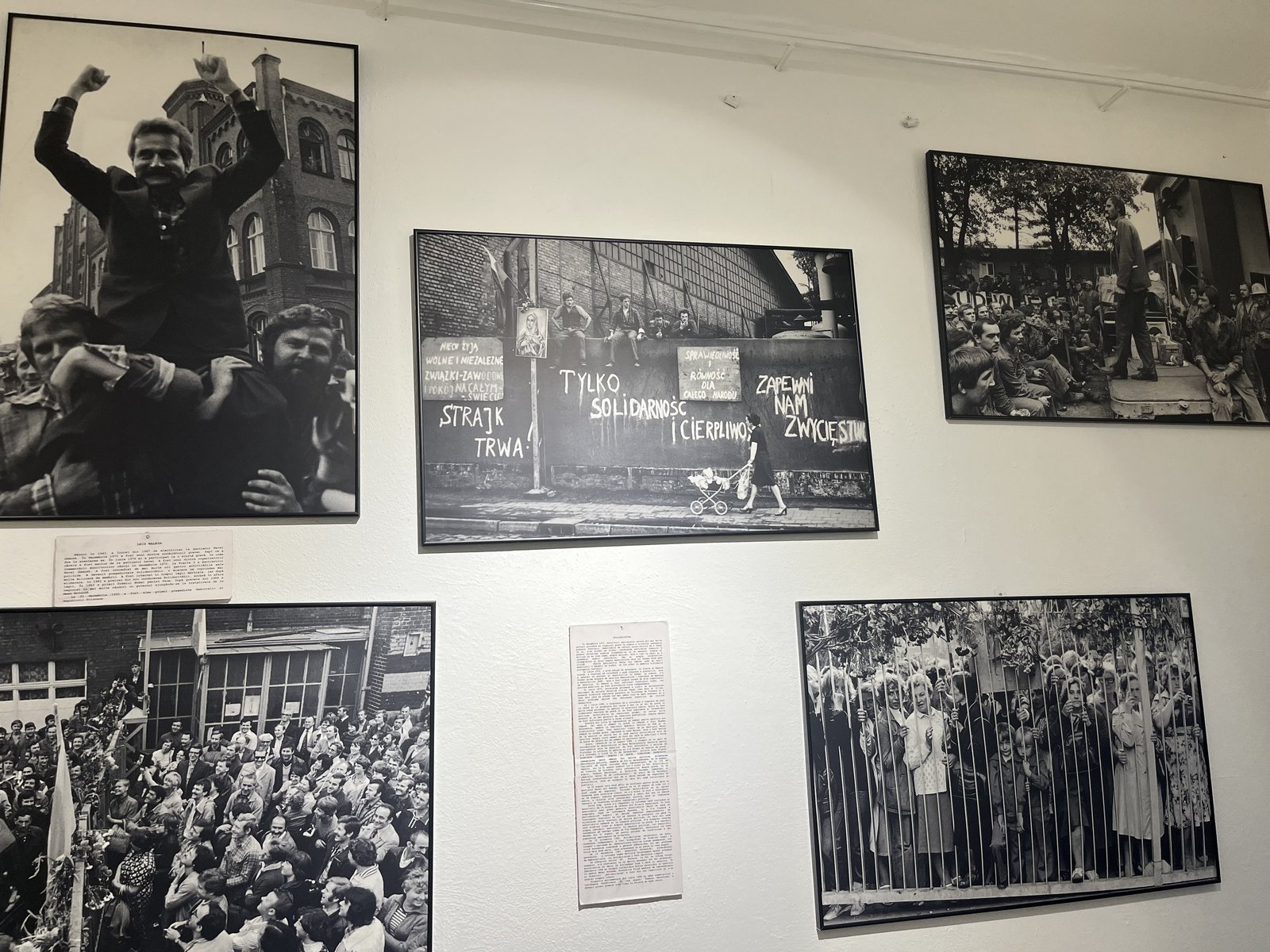
Thematic displays in the former prison cells tell of the struggle for freedom and democracy in other post-communist countries: Czechoslovakia, Hungary, Poland and Lithuania, while thousands of names of those killed by communist terror are carved on the corridor walls.
“Communism’s greatest ‚victory’ was the creation of people without memory,” stresses Ana Blandiana, who initiated the museum. “People with their brains washed, unable to recall who they were, what they had or what they did before communist times arrived. The Memorial is a way of resisting that ‚victory’, of bringing collective memory back to its senses.”
Afterword
Looking back over my own work, I am glad more than once that I had the good fortune to talk to, and to write for readers of Zakarpattia and all-Ukrainian media about, a number of legendary and unbroken fellow countrymen whom the satraps of the communist-Muscovite regime threw into the torture houses of the NKVD for their love of Ukraine. They include Ivan Korshynskyi, a prisoner of the “Valley of Death” near Karaganda and, after rehabilitation, a well-known physician and researcher, associate professor at Uzhhorod University, member of parliament of the second convocation and head of the Zakarpattia regional organisation of the All-Ukrainian Society of Political Prisoners and the Repressed; Andrii Bonka from the Tiachiv area, a participant in the Norilsk uprising of political prisoners that the authorities put down brutally; Ivan Myron from the Rakhiv area, a fellow camp inmate of Levko Lukianenko and the Horyn brothers, who spent exactly 25 years in confinement; Vasyl Rohach from the Velykyi Bereznyi area, a researcher of Soviet repression in Zakarpattia and author of the memoir “Happiness in Struggle” about his time in the camps; and Vasyl Brianyk from the Mizhhirya area, arrested by NKVD men while still a teenager and convicted on falsified material… All of them are now gone. I believe they are in heaven, because they passed through hell with dignity and courage while still on this earth.
Their thorny road to the Gulag, like that of thousands of other fighters for Ukraine’s freedom in Zakarpattia whom the regime never broke, began at the NKVD remand prison in Uzhhorod. Yet today there is not a trace, not a scrap of information, let alone any memorial museum to which schoolchildren and students might be brought to bring our collective memory back to its senses. It is hardly surprising, then, that in the first days of the Muscovites’ full-scale war of conquest in Ukraine, and again today, one keeps hearing the same fateful line: well, who could have thought Russia would go to war against Ukraine?!
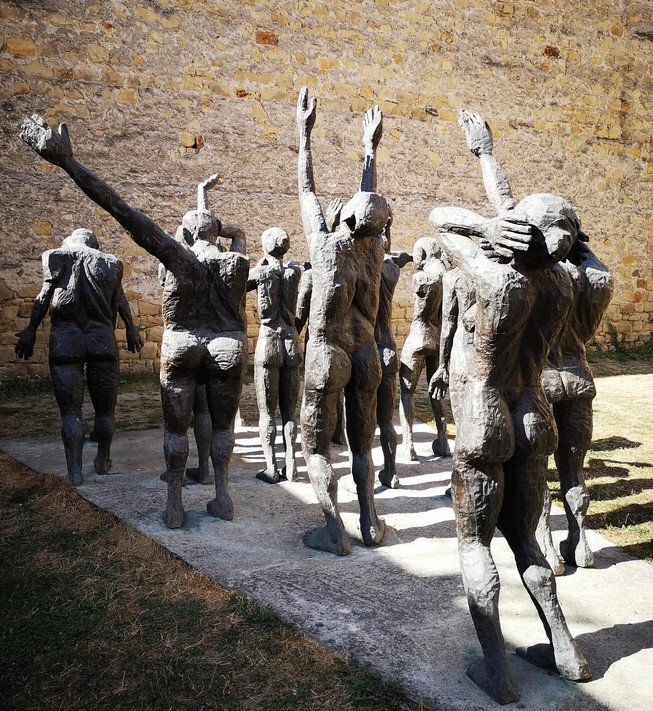
The answer to that question lies on the surface. Every one of our compatriots who knew the true history of Russian terror against Ukrainians across the 17th to 20th centuries understood perfectly well that Moscow would not grant us a quiet life after Ukraine restored its state independence in 1991. They set about reviving the empire at once and were preparing to invade Ukraine from 1992, when Russia’s Supreme Soviet under Khasbulatov denounced the agreement transferring Crimea and Sevastopol to Ukraine. What saved us then was small, freedom-loving Chechnya. Yes, it was the two Chechen wars, in which Moscow became bogged down, that gave us the chance to prepare to defend our statehood and independence. But the descendants of “Little Russians” and Soviet-minded “brethren” who wormed their way into the highest state offices in Ukraine, thanks to the carelessness and short-sightedness of good-natured Ukrainians, squandered that time on disarming the Ukrainian army, enriching themselves and plundering the state. And not one government of independent Ukraine, in all those years, managed to organise for its citizens the study of the lessons of their own history so as to bring the nation’s collective memory back to its senses.
I am convinced that if museums like the one in Sighet had existed, even by the start of the 21st century, in every regional centre where over the 20th century the Russians tortured and destroyed conscious Ukrainian patriots, engineered famines and wiped out with impunity the flower of the Ukrainian nation and its cultural and civilisational gene pool, breeding collaborators and opportunists in their place, then the Ukraine of the 21st century would have been an entirely different country in its mind. Then a smug public would not have sniggered at primitive “jokes” about “señor holodomor” and “oh, Putin’s going to attack”… Then the country would have been preparing properly for an inevitable war with the occupier, under a team of competent statesmen respected by its allies, rather than for marinating shashlik with a play-actor and his thieving green rabble, who today loot with impunity a Ukraine bleeding to death and drag its name through the mud in the civilised world.
Vasyl Ilnytskyi
PS: The Memorial to the Victims of Communism and to the Resistance is in Romania at 4 Corneliu Coposu Street, Sighetu Marmației (Maramureș county). I recommend it!