The southern branch of the Druzhba oil pipeline has been out of service since January 27, 2026. This is provoking conflicts between Ukraine and the only consumers of Russian oil in the European Union — Hungary and Slovakia, which Kyiv considers to be the most pro-Russian countries in Europe. However, it was not only Russia that profited from the transit of Russian oil through Ukraine, but also the regime of self-proclaimed Belarusian President Alexander Lukashenko. What has Belarus lost since the southern branch of the Druzhba oil pipeline ceased operations?
IN SHORT:
- The only countries that continued to purchase Russian oil through the Druzhba pipeline were Hungary and Slovakia, but Russia’s shelling stopped transit through Ukraine.
- Due to the drop in transportation volumes, Belarus raised tariffs every year.
- The budget, which finances repression and war, will lose tens of millions of euros.
- The suspension of oil transit through Ukraine to Hungary and Slovakia is beneficial to both democratic Belarus and Ukraine.
How Druzhba came to a halt
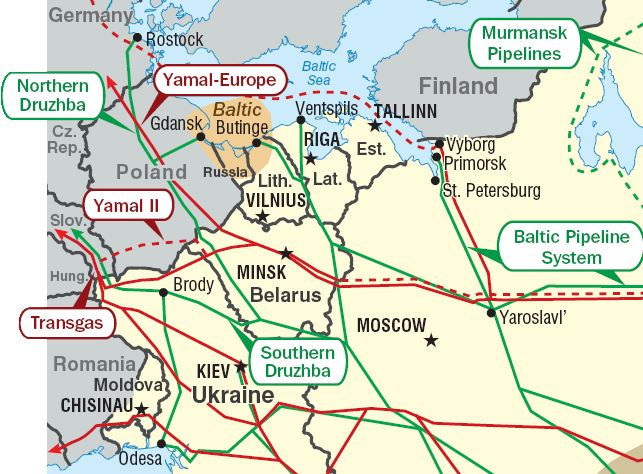
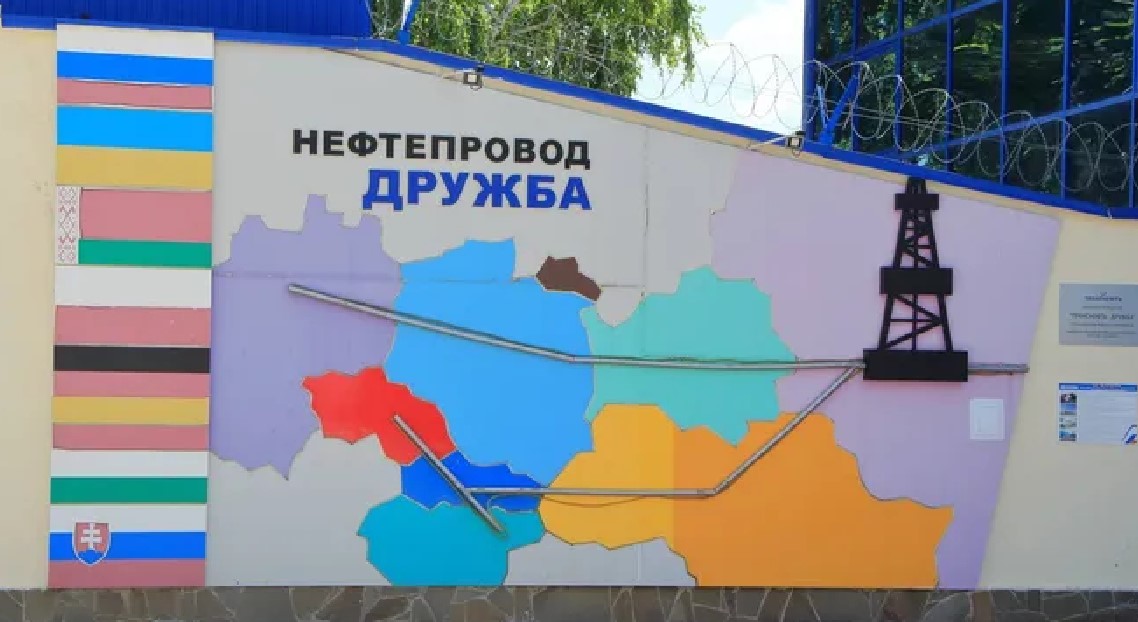
The Druzhba oil pipeline was built in the 1960s to tie the countries of Central and Eastern Europe, which were then dependent on the USSR, to Russian oil. But after Russia’s full-scale invasion of Ukraine in 2022, most of the countries that purchased oil through Druzhba joined the anti-Russian sanctions and stopped consuming Russian oil transported by Druzhba.
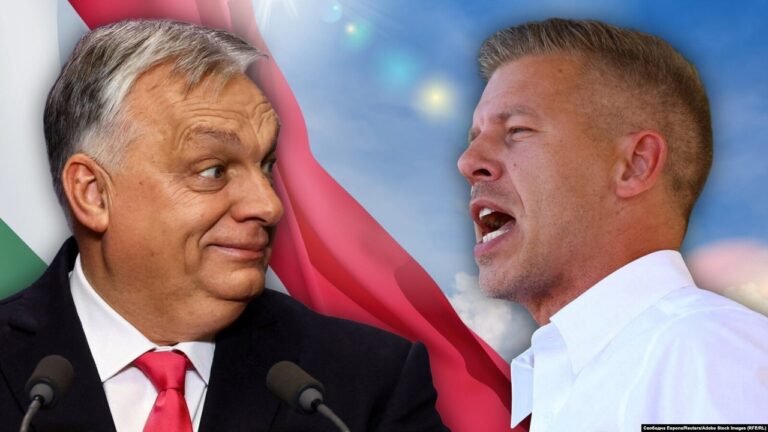
The only consumers of Russian oil from the Druzhba pipeline remain Hungary and Slovakia. Both countries take an openly pro-Russian stance, voting in European bodies against any measures in support of Ukraine. Moreover, oil was supplied to Hungary and Slovakia via the southern branch of the Druzhba pipeline through Ukraine. Russian oil was supplied to the Baltic states, Poland, and Germany via the northern branch of Druzhba through Belarus.
Since 2023, the northern branch of the Druzhba oil pipeline has stopped the transit of Russian oil to EU countries because these countries refused to purchase oil from the aggressor country as part of the imposed sanctions. Currently, only insignificant volumes of Kazakh oil are transported through the northern branch.
Last year, oil supplies to Hungary and Slovakia via the southern branch of the Druzhba pipeline amounted to 9.7 million tons. This was reported by Reuters, citing the Ukrainian consulting company ExPro. Of this volume, Slovakia received 4.9 million tons and Hungary received about 4.35 million tons.
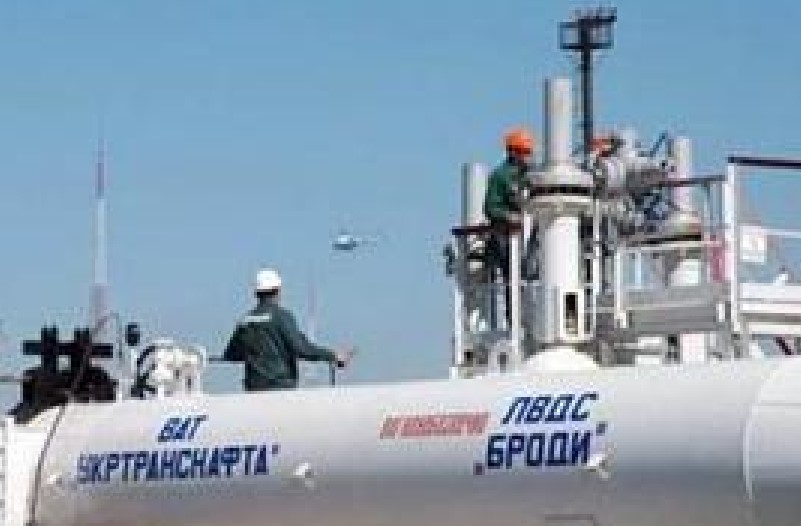
On January 27 this year, Russia hit the Brody oil pumping station, resulting in the suspension of further operation of the southern branch of the Druzhba oil pipeline. Since then, the Hungarian and Slovakian authorities have been demanding that Ukraine repair the Druzhba pipeline damaged by the Russians. However, Kyiv responds that these demands should be directed to the Kremlin.
Tens of millions of euros will not go to Lukashenko’s budget
But the shutdown of the southern branch of the Druzhba oil pipeline is damaging not only to Russia, but also to its ally, Belarus, which is ruled by self-proclaimed pro-Russian President Alexander Lukashenko. Previously, his regime earned good money from the transit of Russian oil to European countries. With the tariffs for transporting oil through Belarus, he was able to force Putin to give Belarus lower prices for Russian oil.
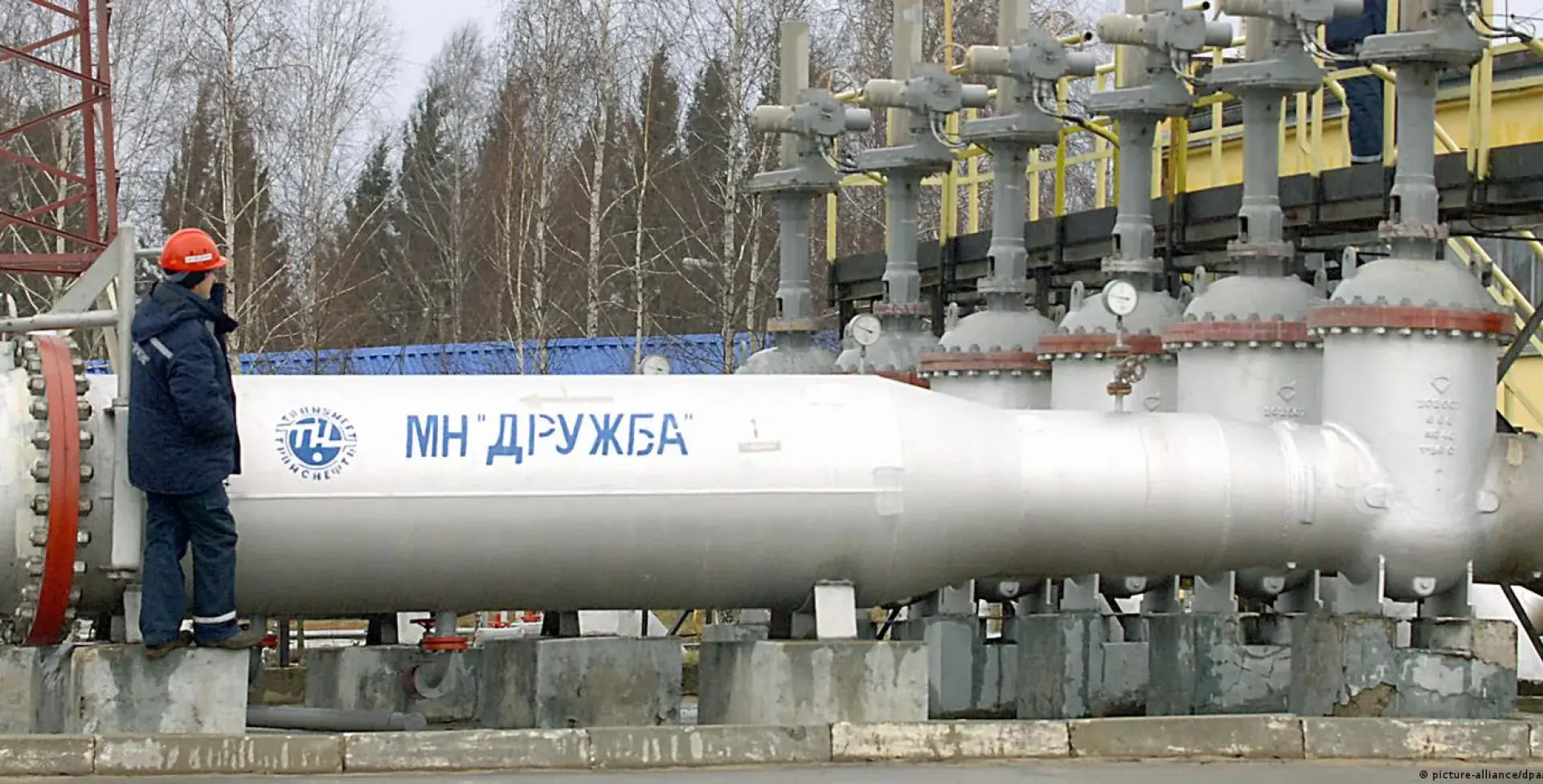
In Belarus, the Druzhba oil pipeline is operated by the open joint-stock company Gomeltransneft Druzhba. Although this company has the status of a joint-stock company, it is in fact a state-owned enterprise, part of the state-owned Belneftekhim concern, and finances Lukashenko’s regime not only through taxes.
After the transit of Russian oil to the Baltic states, Poland, and Germany stopped, Belarus began to raise tariffs for the transit of Russian oil once again, arguing that the transport infrastructure needs to be maintained and this entails costs for the Belarusian operator that are not compensated in any way. Every year, these tariffs increased by about 10.2%.
The last increase in tariffs for oil transportation through the Belarusian section of the Druzhba oil pipeline took place on February 1 this year. According to Resolution No. 3 of the Belarusian Ministry of Antimonopoly Regulation and Trade dated January 19, the tariff for transporting one ton of oil from the border with Russia to the border with Poland (northern branch) is 28.71 Belarusian rubles (8.4 euros), and from the Russian border to the border with Ukraine in the direction of the Brody pumping station – 239.52 Russian rubles (2.59 euros).
The profits of the Gomeltransnafta Druzhba company have not been published since the start of the full-scale war. However, according to open sources, before 2022, before the Russian invasion of Ukraine, they amounted to hundreds of millions of dollars annually, which is a significant amount for a country like Belarus.
Knowing the tariff for oil transportation, it is easy to calculate the direct losses of Gomeltransnafta Druzhba from the suspension of Russian oil transportation in the southern direction. At the current rate of €2.59 per ton, based on last year’s volume of 9.7 million tons of oil transported, the Belarusian company will lose more than €25 million.
In addition to the direct losses of the state-owned company, Belarus is losing out on oil transportation taxes, which exist in Belarus. Most likely, the state will be forced to support its main oil pipeline operator with subsidies so that it can maintain the pipeline infrastructure. Thus, the suspension of oil transportation to Ukraine and further to Hungary and Slovakia turns what was once a profitable venture for Belarus into a loss-making one.
Democratic Belarus and Ukraine will benefit
Earlier, Black Sky reported on the general international consequences of the suspension of the southern branch of the Druzhba oil pipeline and the current situation in Europe in this regard.
For democratic countries and the democratic society of Belarus, the suspension of Russian oil transportation via the Druzhba pipeline is a positive development. The shortfall in Belarus’s budget reduces the Lukashenko regime’s ability to maintain the punitive apparatus that continues to enforce political repression and violence in the country.
The suspension of Russian oil transportation through Ukraine is also positive for the latter. In fact, throughout the years of war, it has been helping its enemy earn money to finance the war against itself. Now Russia will have fewer opportunities to finance its army with oil that it sold to European countries via Ukraine. Moreover, Russia itself helped to stop this paradoxical situation by shelling the Druzhba oil pipeline.
Conclusion:
Along with Russia, the self-proclaimed Lukashenko regime, which continues to implement political repression in Belarus and helps Russia in its war against Ukraine, is also suffering losses from the shutdown of the southern branch of the Druzhba oil pipeline. This deprives it of the ability to finance its repressive apparatus. For a democratic society, this is a positive development.
- Sources:
- Reuters report on the volume of Russian oil exported to Hungary and Slovakia: https://www.reuters.com/business/energy/druzhba-pipeline-carried-ukrainian-russian-oil-before-attack-sources-say-2026-02-27/
- Decree of the Ministry of Antimonopoly Regulation and Trade of Belarus No. 3 of January 19, 2026: https://pravo.by/document/?guid=12551&p0=W22644518
Andrus Hajovy