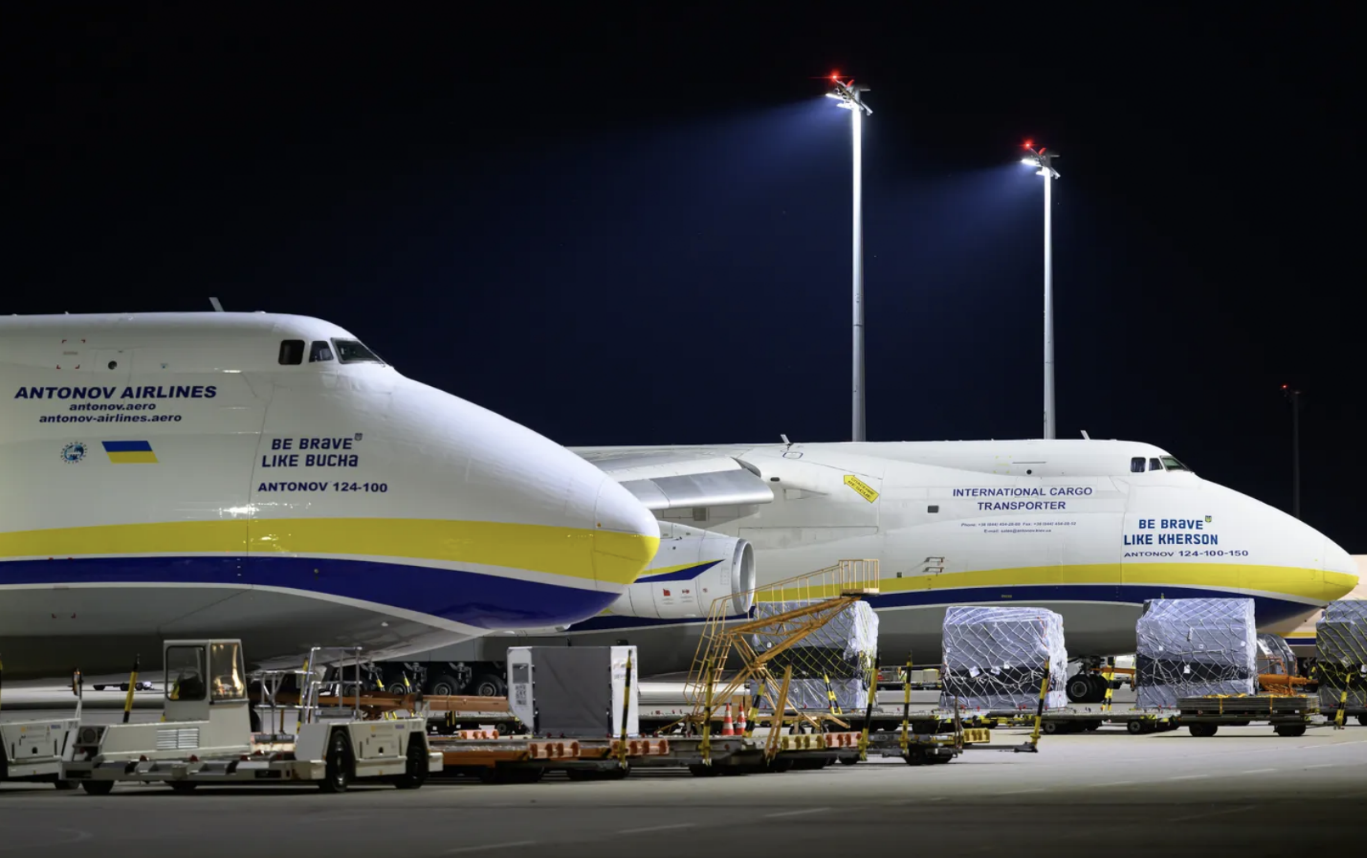

German authorities have said that Russian state bodies were behind the attempted attack on a Ukrainian cargo plane at Leipzig Airport, and have announced the closure of the Russian Consulate-General in Bonn. Moscow denies all the allegations, and Dmitry Medvedev has begun threatening direct strikes on German defence-industry facilities and ‘other places in Berlin’. Meanwhile, investigators have identified two alleged participants in the operation. Both hold Russian passports.
In brief:
- Drones carrying explosives and the infrastructure for controlling them were found at Leipzig Airport and in the surrounding area
- The alleged target of the attack was a Ukrainian cargo aircraft based in Leipzig
- Investigators identified the alleged perpetrator and instructor in the attack; both hold Russian passports
- Germany accused Russian state bodies of preparing the attack at Leipzig Airport
- A decision was taken to close the Russian consulate in Bonn and the Russian House in Berlin
- The Russian Foreign Ministry called the allegations ‘unsubstantiated’, while Dmitry Medvedev has already proposed bombing Berlin
The target of the attack was a Ukrainian aircraft
On the evening of 4 August 2026, an airport employee at Leipzig/Halle found a drone carrying an explosive device near the southern runway. As investigators later established, at 19:30 the drone struck the wing of a Ukrainian cargo aircraft parked at the airport, bounced off and fell to the ground, but the detonator failed to go off. The aircraft itself was empty at the time of the attack, although it had carried ammunition for Ukraine the day before.
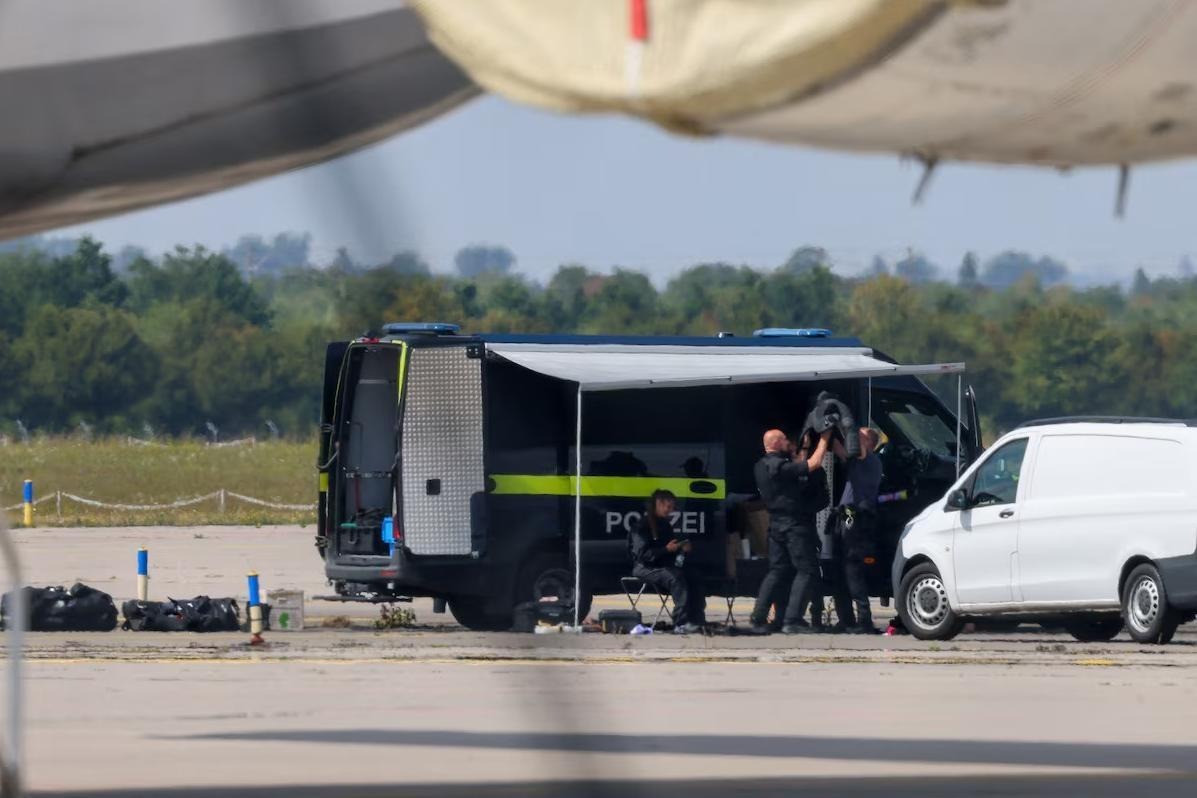
About ten minutes earlier, eyewitnesses had reported an explosion in the Kursdorf area, immediately next to the airport. Investigators later found scorch marks and metal fragments there. According to one theory, another drone may have exploded on the spot. A short distance away, they found an antenna tied to a tree, thought to have been used to boost the drones’ control signal.
Ten days later, another drone was found in a field in the municipality of Kabelsketal, west of the airport. According to Die Zeit, investigators also found a camouflaged cache buried in the ground a few kilometres from Leipzig/Halle Airport. Cable fragments were left inside. They believe the cache may have been used to store explosives and drone parts.
Identified through DNA
Investigators found DNA on the physical evidence collected. Checks against European databases threw up leads pointing to Lithuania and Finland, among other places.
At present, two people are reportedly suspected of organising the attack on Leipzig Airport. One is a Belarusian who also holds a Russian passport. He entered the Schengen Area on an Italian tourist visa issued by Italy’s diplomatic mission in Minsk at the end of April.
The second suspect holds Latvian and Russian passports and, according to investigators, may have acted as a logistics coordinator or instructor. He is believed to have flown to Berlin at the end of July and then driven to Saxony in a hire car. He left Germany a few days before the attack.
ARD’s Berlin bureau reported that investigators had established his identity. According to the journalists, the man may have been linked to one of Russia’s security services.
The suspects have not yet been detained, and German investigators are sceptical about the chances of catching them.
Berlin: Russia is behind the attack
At first, the German authorities spoke very cautiously about a possible foreign link. On 1 September, however, the federal government officially stated that it considers Russia responsible for the attempted attack.
According to Interior Minister Alexander Dobrindt, the components, explosives and detonation system used are already familiar from other suspected Russian hybrid operations and from the war against Ukraine. He said intelligence also points to people who acted on instructions from Russian state bodies.
Dobrindt said that preparing the operation had required a high level of technical expertise and considerable organisational effort. The German authorities nevertheless classify the direct perpetrators as so-called ‘disposable agents’: people recruited to carry out a specific task in order to conceal the operation’s link to an intelligence service.
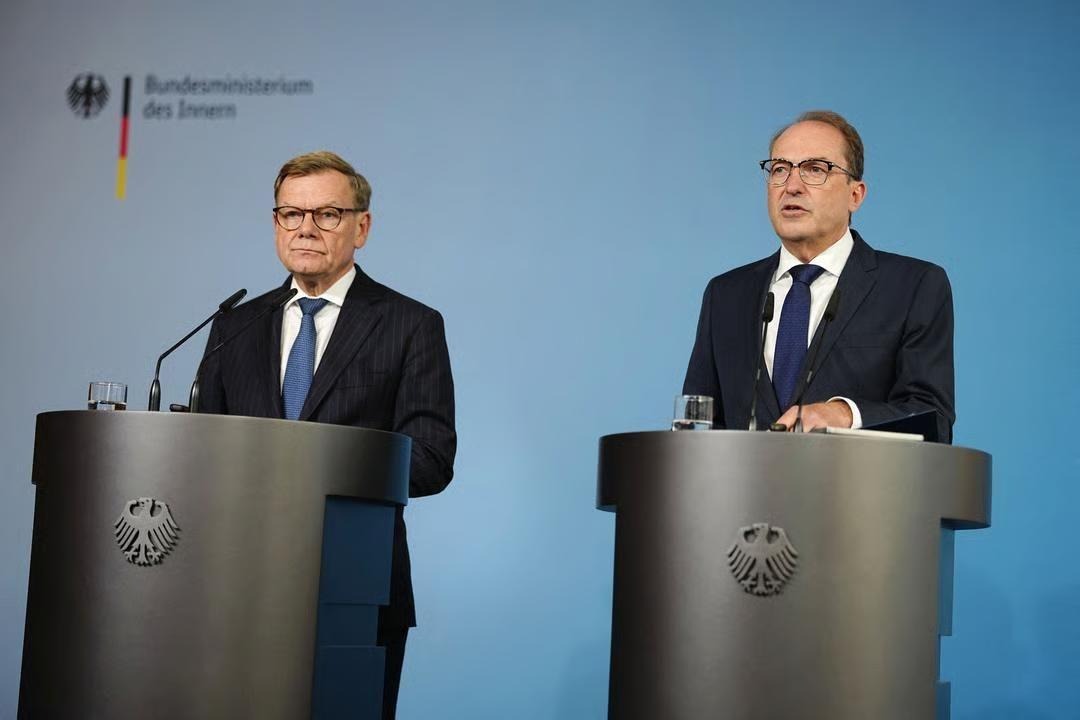
Following the accusations, Berlin took a series of measures. The Russian ambassador was summoned to the Federal Foreign Office, and the Russian Consulate-General in Bonn was ordered to close by 18 September. German Foreign Minister Johann Wadephul said the authorities could not be sure that activity capable of harming Germany’s security was not being carried out from the consulate building.
Berlin has also decided to terminate the agreement under which the Russian House in the capital operates, and intends to seek additional EU sanctions against Russian citizens and organisations. It plans to tighten entry restrictions on certain categories of Russian nationals as well.
Putin: ‘And where is the evidence? Well, there you go: they planted evidence’
The Russian Foreign Ministry was among the first to respond to Germany’s accusations. Its official spokesperson, Maria Zakharova, described the German side’s statements as ‘unsubstantiated’ and claimed that Germany had used the Leipzig incident as a pretext for measures against Russia that had long been planned: closing the Consulate-General in Bonn and ending the activities of the Russian House in Berlin. She promised Germany a ‘fitting response’. The very next day, Germany’s chargé d’affaires, Bernd Finke, was summoned to the Russian Foreign Ministry.
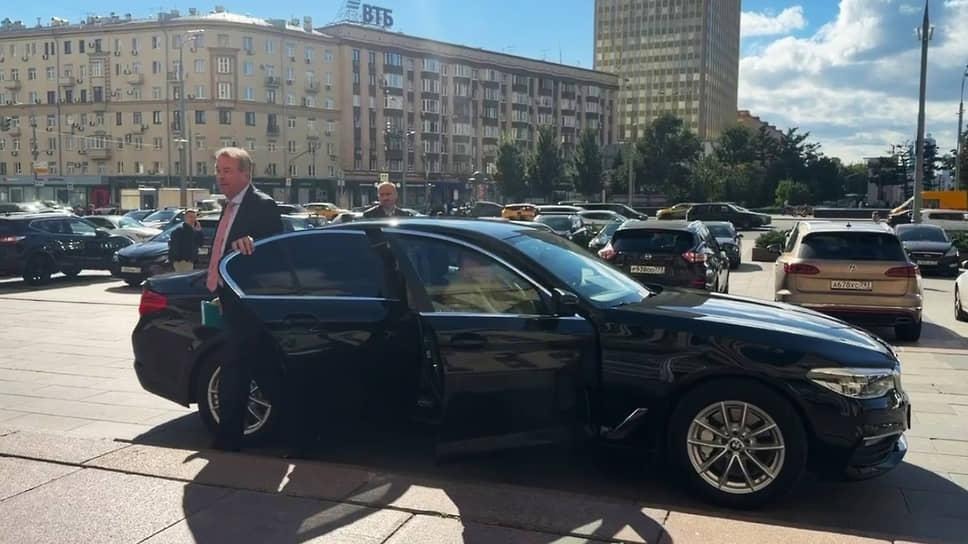
Vladimir Putin also commented on Germany’s accusations. He was asked about them in Bishkek, at the closing press conference of the SCO summit. Putin rejected any Russian involvement and linked Berlin’s actions to Germany’s domestic problems: business closures, job losses and the difficult position of Friedrich Merz’s government. Asked about evidence, Putin replied: ‘And where is the evidence? Well, there you go: they planted evidence.’ He also called Berlin’s policy a mistake that runs counter to the interests of the German people.
The sharpest reaction came from Dmitry Medvedev. The deputy chairman of the Security Council called the sabotage ‘fabricated’ and said that, given the current course of its leadership, Germany supposedly deserves ‘a direct strike on all German facilities producing military equipment’ that supply weapons to Ukraine, adding: ‘And quite possibly against certain other locations in Berlin as well.’
Official Russian and Belarusian sources cited in this text are for informational purposes only. Content from these sources may constitute disinformation or propaganda.