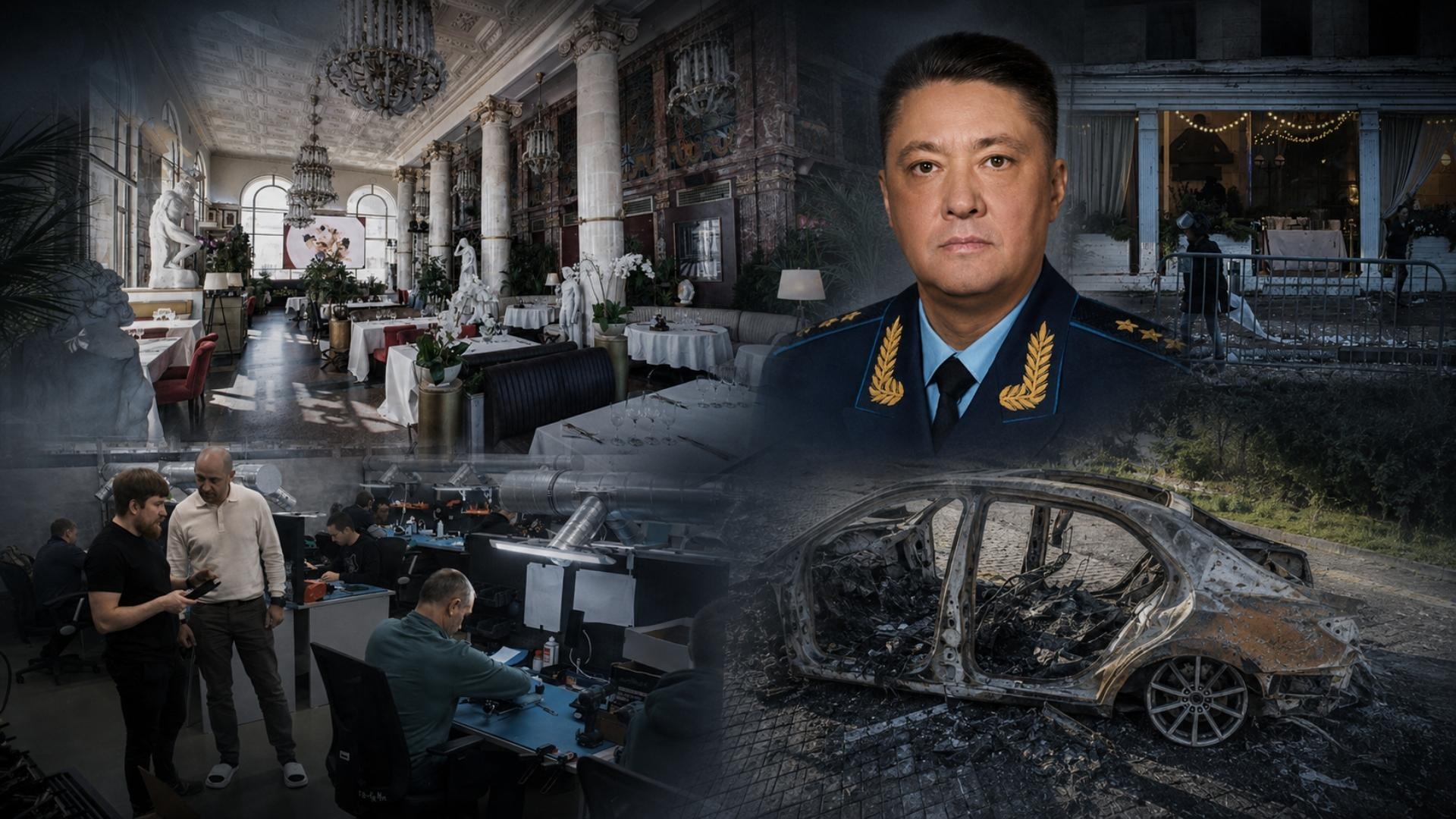

On August 1, 2026, an improvised explosive device detonated at the entrance to Balzi Rossi in Moscow. Initially, three fatalities and 21 injuries were confirmed; later reports indicated five fatalities and 19 injuries. The private banquet may have been linked to Air and Space Forces Commander Alexander Chayko, but his presence and the target of the attack remain officially unconfirmed.
In brief
- The National Anti-Terrorism Committee of the Russian Federation reported that an unidentified woman attempted to enter the restaurant with an improvised explosive device. She was stopped by a security guard; the explosion occurred in the entrance area.
- Immediately after the attack, the official toll stood at three dead and 21 injured. The later figure of five dead and 19 injured is plausible but has not been supported by a public list of victims or a medical report.
- Balzi Rossi was closed to the general public. Footage of the “Aleksandr 55” decoration and Alexander Chayko’s date of birth support the hypothesis of a reception for the general, but do not prove that he was present.
- Records confirm the death of Daniil Peredriy, Chayko’s son-in-law. They do not, in and of themselves, determine where or under what circumstances he died; there is also no official confirmation of the injuries sustained by his wife, Maria.
- Russian authorities have not presented evidence of Ukraine’s involvement. The temporal proximity of the attacks on Andrei Cherezov and Vladimir Tkachuk is significant, but it does not conclusively indicate a single campaign against the Russian unmanned sector.
What Happened Near the Balzi Rossi Restaurant in Moscow
The explosion occurred near Balzi Rossi, a restaurant on the ground floor of a stalinist skyscraper on Kudryny Square, about 2.5 kilometers from the Kremlin. The National Anti-Terrorism Committee (NAK) reported the time as 7:55 p.m., while the Moscow police reported the explosion at around 8:10 p.m. The detonation therefore occurred around 8:00 p.m.
The police mentioned the area of the summer café, the NAK referred to an attempt to enter the restaurant, and witnesses pointed to the entrance area by the veranda. There is no basis for placing the explosion in the main dining room. Chef Carmine Alfieri reported that the interior and the kitchen were not damaged. Photos show shattered windows, but do not allow for reconstructing the structure of the explosive device or the direction of the blast.
According to the chronology of reports compiled by Fontanka, NAK confirmed that evening that an improvised explosive device had been used. An unidentified woman allegedly attempted to bring it into the restaurant. A security guard stopped her, and that is when the explosion occurred. The woman, a security guard, and one of the party guests were killed on the spot; 21 people were injured. This toll was also confirmed by Reuters, citing NAK.
Later, based on anonymous information from hospitals, the media reported that two more people had died. Russian diplomatic sources confirmed the toll of five dead and 19 injured. This figure is the most likely, but it is less well-documented than the NAK’s data. No complete list of victims has been published, nor has an explanation been provided as to why the number of fatalities increased while the number of injured decreased.
The Package, the Security Guard, and the Unknown Method of Detonation
The most plausible account of the attack suggests that a woman brought a package that looked like a gift for a guest at a private banquet. Security guards did not allow her into the hall but failed to isolate the package. The explosion at the entrance killed both the courier and the security guard. It is unknown whether the woman knew the contents of the package.
Kommersant cited anonymous sources claiming that the woman may have been an unwitting courier and that the device was detonated remotely. The same leaks included information about approximately one kilogram of TNT and metal shrapnel. However, Russian investigative authorities have not released a pyrotechnic analysis that would confirm the mass of the explosive, the design of the detonator, or the triggering mechanism.
The hypothesis of an unwitting courier explains why the woman entered the lethal blast zone, but it is not proof. Nor does the timing of the explosion following the security guard’s intervention confirm the presence of an observer nearby. The available data do not provide certainty as to whether the explosion was triggered by a signal from a greater distance, a timer, or another type of detonator.
A Private Banquet and the “Aleksandr 55” Video
The restaurant announced that it would remain closed on August 1 due to a private event. One witness mentioned a wedding for about 50 people. Later, a video emerged showing an empty hall decorated with “Aleksandr 55” signage; voices in the background indicated that preparations were underway for a private party.
Anatoly Shariy was one of the first to widely circulate the footage, and copies were subsequently published by other channels.The Agencja news site described the video and cross-referenced it with information from the scene. However, the original file with metadata and a clear chain of publication are missing, so the video primarily confirms the theme of the decorations. It does not identify the guest of honor.
Alexander Chayko was born on July 27, 1971, meaning he turned 55 five days before the explosion. Since May 4, 2026, he has commanded the Aerospace Forces of the Russian Federation, which include the military aviation, air defense, and space components. He thus belongs to the inner circle of commanders waging war against Ukraine.
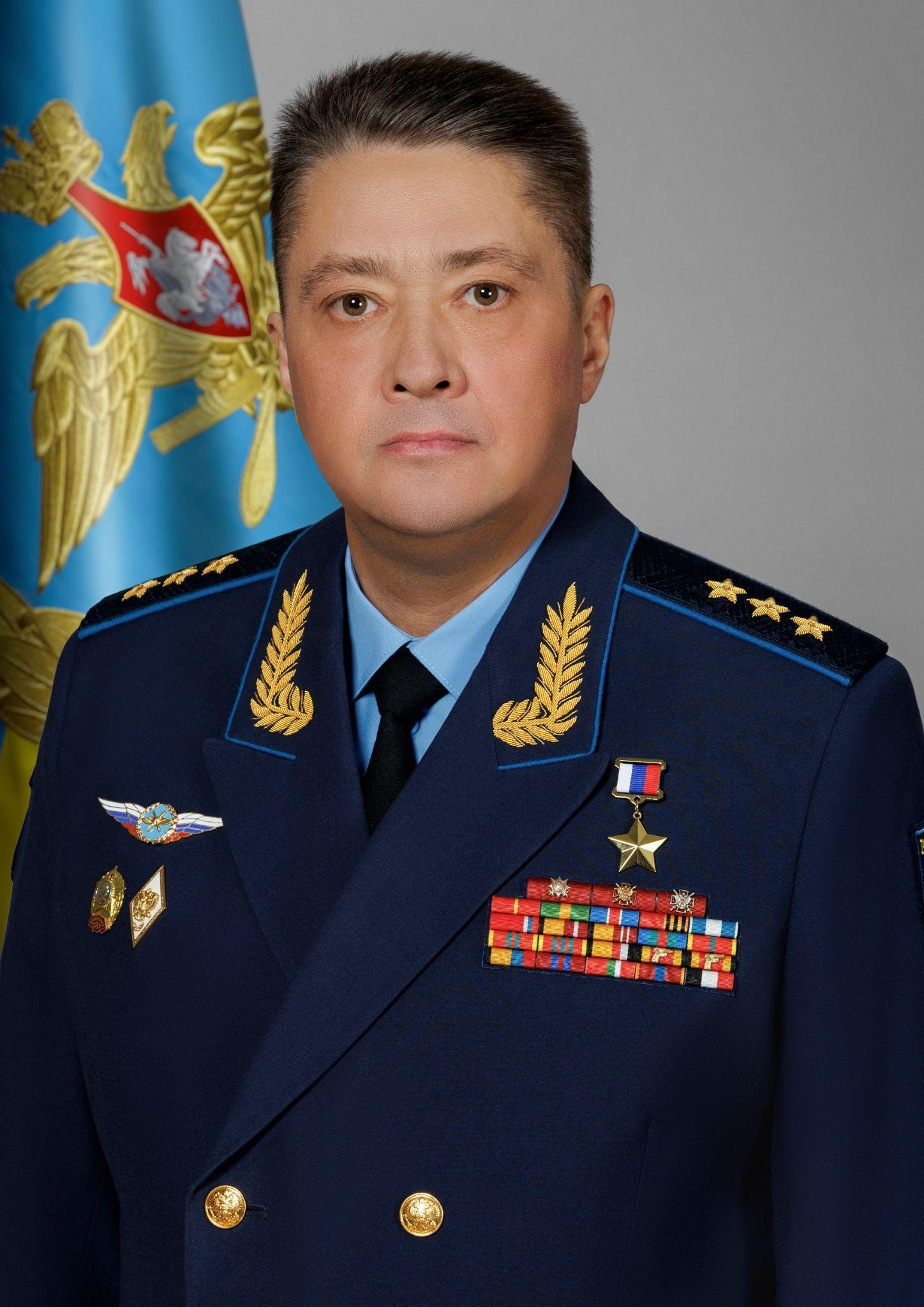
No video showing Chayko at Balzi Rossi, no guest list, and no credible account from someone who saw him in the hall have been published. The inscription and the date of birth make the version about a banquet associated with the general plausible, but they do not allow us to identify him as the host or the target of the attack. The report about a wedding does not necessarily rule out a birthday celebration: the witness may have misread the decorations, or the family celebrations may have been combined.
Caution is also needed regarding the vehicles. The media attributed the Maybach to State Duma Deputy Zelimkhan Mutsoyev, and linked the Lexus to the participants’ security detail. However, the photos do not allow for an independent reading of the license plates or a determination that the Rosgvardia cars and bus were there before the explosion. The security vehicles may have arrived only as part of the rescue operation.
Daniil and Maria Peredriy: A Family Connection Leading to Chaika
The strongest evidence linking the banquet to the commander’s family is the case of Daniil Peredriy. Russian news outlets published an incomplete list of those hospitalized, which included Daniil P., 27, and Maria P., 25. Journalists linked this information to Daniil Peredriy and Maria Peredriy (née Chayko) , the general’s daughter.

Later, Meduza reported on data from state registries. Daniil Peredriy’s personal certificate from the Unified Register of Individual Entrepreneurs of the Russian Federation expired on August 1, and his business was closed with a note regarding his death. This confirms his death and his family connection to General Chayko. The date, first name, initial of the last name, and age from the incomplete list strongly suggest that Peredriy was killed at Balzi Rossi.
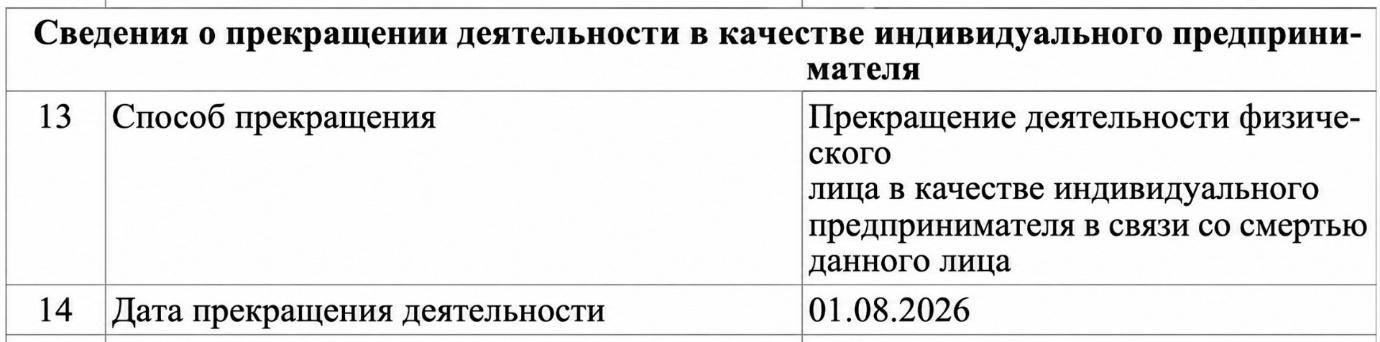
However, the registry is not a death certificate available to the public. It does not specify the place or cause of death. Without a complete list of victims, it is therefore impossible to state categorically that Daniil Peredriy was one of the five fatalities at the restaurant, although this is highly likely.
The information regarding Maria Peredriy has a weaker basis. The agency cross-referenced her age and last name with a list indicating that a 25-year-old Maria P. suffered a severe head injury. There is no public confirmation from the hospital, the family, or the investigative authorities. If the identification of both spouses is accurate, the presence of the general’s immediate family significantly strengthens the theory regarding his birthday. It still does not prove the presence of Chayka himself.
Did General Igor Jerusalimov Die in the Explosion?
Even less certain is the story of Lieutenant General Igor Jerusalimov, an officer who held staff positions in Russian military districts. Following the attack, the OSINT account Necro Mancer found a notice in a local Solntsevo neighborhood group announcing his funeral on August 5. Separately, the anonymous VCzK-OGPU channel reported on a discreet funeral for an unnamed general, secured by the Federal Protective Service and the Rosgvardia.

A week before the full-scale invasion of Ukraine, Yerusalimov was promoted to the rank of major general, and in May 2025, Vladimir Putin promoted him to lieutenant general. In 2020, he served as head of the Operations Directorate of the Western Military District Headquarters. In 2024, Rosreestr documents listed him as head of the Operations Directorate and first deputy chief of staff of the Moscow Military District. The general was responsible for operations on the Ukrainian front.
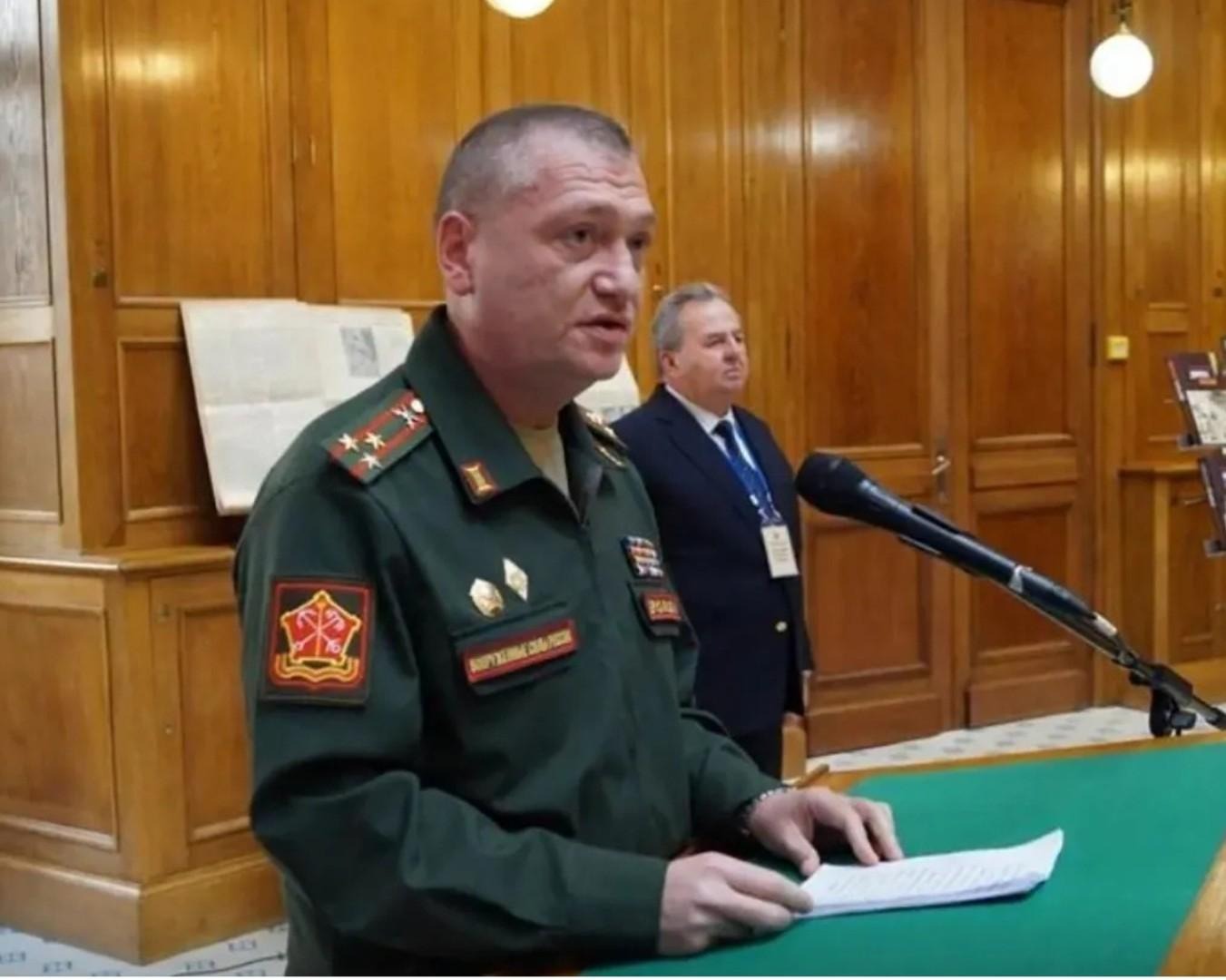
The report compiling this circumstantial evidence did not cite an official obituary, date, or cause of death. It is also unclear whether the anonymous post about the funeral referred to Yerusalimov. There is no official basis for classifying him as a victim of Balzi Rossi or for claiming that he died as a result of injuries sustained there.
According to Russian media, another high-ranking military officer with the rank of major general also died suddenly. The circumstances of his death have not been disclosed.
Accusations against Ukraine emerged without evidence
In the early hours, various theories circulated about gas, a fire, and an explosion near the veranda. It was not until late in the evening that the NAK confirmed an improvised explosive device. Such chaos does not prove a disinformation campaign. However, Russian authorities were slow to provide consistent information about the location, the victims, and the banquet attendees.
Before investigators presented the evidence, pro-Russian war bloggers began accusing Ukrainian security services. The next day, as reported by the Associated Press, the Russian Embassy in Rome called the perpetrators “Kyiv terrorists” and claimed that the choice of restaurant was intended to intimidate Italians. It provided no evidence. Italian Foreign Minister Antonio Tajani described this version as a colossal lie, as noted by the ANSA news agency.
As of August 6, no Russian investigative body had published evidence identifying the organizer of the attack. Ukraine did not claim responsibility. Immediately attributing blame to Kyiv served a political purpose: it framed the explosion within the narrative of Ukrainian terrorism and diverted attention from the question of how an unknown person with a bomb managed to approach a secured banquet of what may have been the military elite in the center of Moscow.
The Attacks on Andrei Cherezov and Vladimir Tkachuk
The explosion at the Balzi Rossi restaurant occurred between two attacks on individuals directly involved in the production of unmanned aerial vehicles for the Russian army. Within seven days, Andrei Cherezov was wounded in Tula and Vladimir Tkachuk near Yekaterinburg. This is a rare concentration of incidents, but each unfolded differently, and investigators have not identified any common perpetrators, connections, explosives, or logistical support.
Andrei Cherezov and Owod Drones
On the night of July 28–29, an assailant waited for Cherezov in the stairwell of his home in Tula and fired at least three shots. The businessman was hospitalized in serious condition; on August 1, his company reported that his condition had stabilized. The regional branch of the Investigative Committee opened an investigation into the attempted murder. The perpetrator has not been apprehended, nor has there been a claim of responsibility.
Cheriezov is the owner and founder of the Russian Air Transport Laboratory, and not—as some publications erroneously reported—a former deputy energy minister.Kommersant has determined that the company is developing the Owod family of FPVs, software resistant to communication link interference, and anti-drone systems. Ovod is a video-guided strike drone; Ovod-10 carries a drop payload; and Ovod-Pro uses fiber-optic technology. The company has supplied these systems to the Russian armed forces, including 4,000 units in 2024.
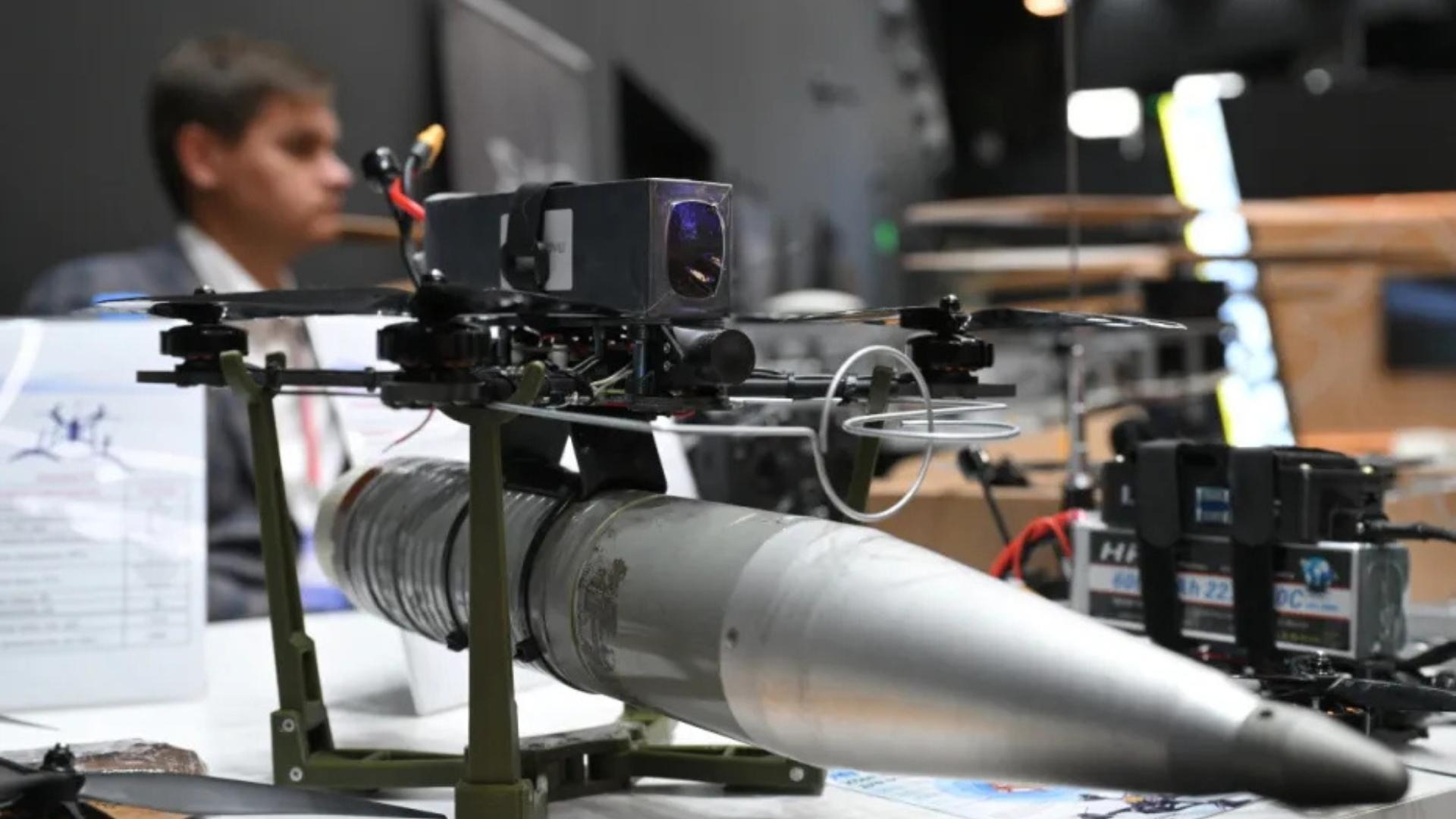
The company linked the shooting to Cherezov’s professional activities and suggested the involvement of individuals hired by Ukrainian intelligence services. However, it did not disclose any evidence to support this version of events. The victim’s profile alone allows for a military motive to be considered one of the leading hypotheses, but does not rule out a business or personal conflict.
Vladimir Tkachuk and the Upyr Drones
On the evening of August 4, in the town of Bolshoy Istok, about 25 kilometers from Yekaterinburg, an explosive device placed under a Mercedes linked to Vladimir Tkachuk exploded. His driver and bodyguard was killed, and Tkachuk was admitted to the intensive care unit. Initial reports indicated that his condition was critical; later, RBC reported that his life was no longer in danger.

Tkaczuk is the founder and director of Uraldronzavod, as well as the administrator of the pro-Russian war channel “Poviernutye na voyne.” The plant manufactures Upyr drones, simple FPV drones designed to attack vehicles, fortifications, and logistical facilities at short range. These unmanned aerial vehicles are supplied to Russian units and used against Ukraine. The manufacturer’s public claims regarding the destruction of specific types of Western tanks have not been independently verified and are not necessary to confirm the company’s military role.
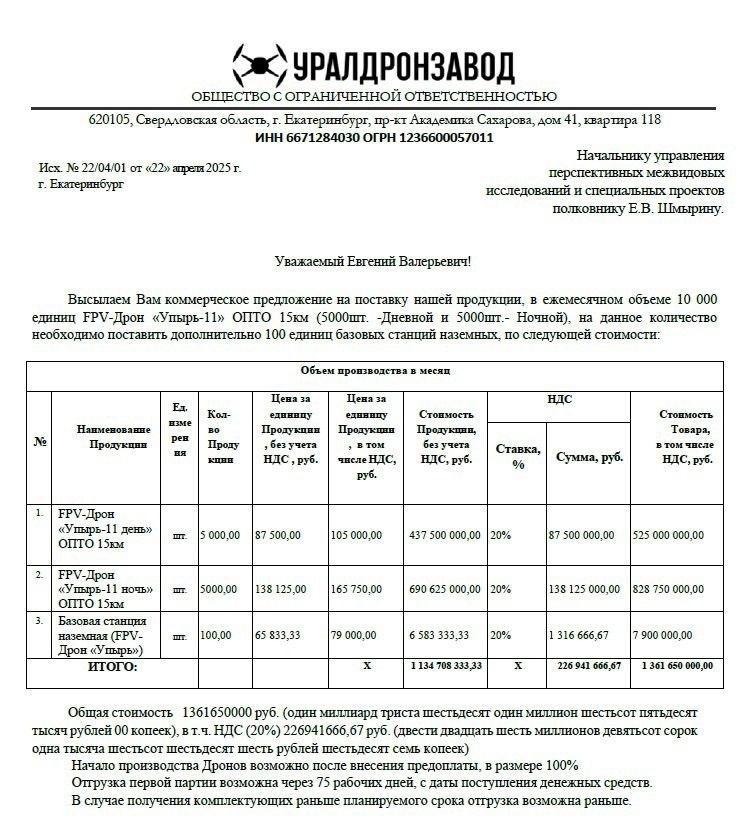
Kommersant-Ural reported on the launch of an investigation into murder, attempted murder, and the illegal trafficking of explosives. The publication cited an anonymous account involving Ukrainian agents, while noting that law enforcement agencies had not commented on it. In this case as well, there is no public evidence or confession from the perpetrators.
Three attacks do not yet constitute a single operation
Cheriezov and Tkachuk held specific positions in the supply chain of Russia’s unmanned systems sector. A potential target in Balzi Rossi—if it was indeed Chayko or his inner circle—would fall into a different category: the military leadership responsible for the use of aviation and the defense of airspace. The common denominator, therefore, would be support for the Russian war machine, rather than a single industry.
The methods differ even more markedly. In Tula, firearms were used, and the victim was attacked near his apartment. In Moscow, a bomb in a package exploded near a crowded venue, posing a high risk of collateral damage. Near Yekaterinburg, the explosive device was placed under a car. The geography, methods of reaching the targets, and profiles of the victims all differ. There is no common technical signature, no claim of responsibility, and no evidence pointing to a single command center.
The timing of these attacks may indicate that individuals associated with the war in Russia have become more accessible to domestic attackers. Balzi Rossi exposed a security vulnerability: the potential attacker knew the location and time of a private event, and the explosive device reached the entrance. If the courier was used without her knowledge, the screening of guests and vehicles proved insufficient.
However, it is unclear whether this was the result of a leak, surveillance of the restaurant, tracking of attendees, or information available within the service industry. Nor can it be ruled out that a guest other than Chayko was targeted, or that the motive was unrelated to the war. The true test of the hypothesis of a coordinated campaign will be recurring patterns: the design of the devices, communication data, common individuals involved in the preparations, or a credible statement backed by details not known to the public.
Until such evidence is revealed, these remain three separate investigations. They are linked by the profile of the circles supporting Russian aggression, but there is no basis for attributing them to a single organizer. The most tangible consequence today is not the unresolved series of incidents, but the violation of the sense of security among people who assumed that war remained far removed from their banquets, homes, and cars.
Author: Artur Żak
Official Russian sources cited in this text are provided for informational purposes only. Content from these sources may constitute disinformation or propaganda.