Gasoline shortages have flared up again in Russia: lines have returned to gas stations, and local authorities are once again forced to impose limits on fuel sales. Gasoline shortages have affected 18 regions, including Moscow and the Moscow region. Amid the shortage, Russia has increased its imports of petroleum products from Belarus. The first shipment of fuel arrived from India.
In brief:
- In August, Ukraine continued to strike Russian oil refineries; several plants suspended operations
- Reports of fuel shortages have come from at least 18 regions of Russia
- There has been no official announcement regarding a new wave of the fuel crisis. In late July, authorities claimed they had partially stabilized the situation
- Current production capacity covers only 65% of Russia’s fuel needs
- The first shipment of gasoline arrived from India. Russia is also purchasing fuel from Belarus, Kazakhstan, and Morocco
They haven’t gotten very far
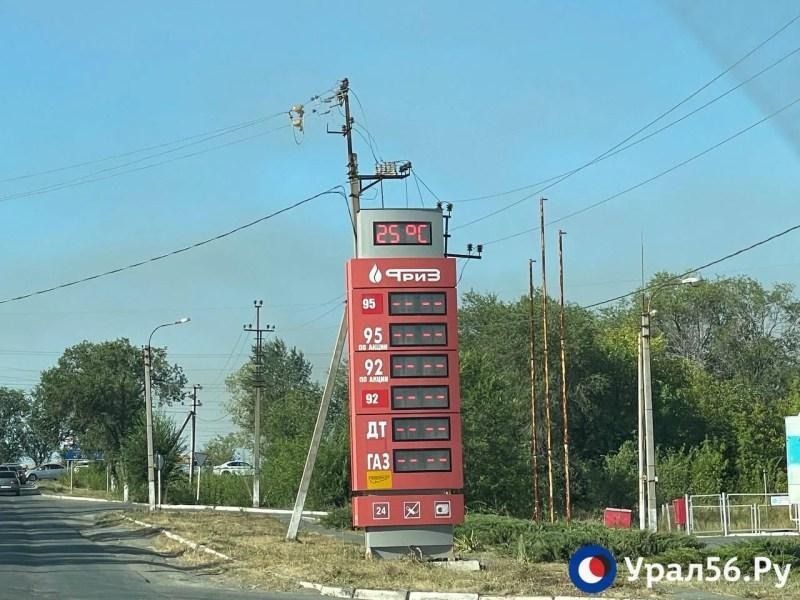
There have been no official reports of a new wave of the fuel crisis. Back in late July, Deputy Prime Minister Alexander Novak, who oversees the fuel sector, claimed that the gasoline situation had been “partially stabilized,” though he acknowledged problems in some regions. At that time, the government extended the complete ban on fuel exports until the end of January 2027. At the most recent meeting on August 11, Novak instructed the relevant ministries, regional authorities, and oil companies to continue their coordinated efforts to supply the domestic market with fuel, monitor price trends, and ensure the uninterrupted delivery of petroleum products to end consumers.
Judging by official statements and social media posts, ensuring uninterrupted fuel supplies has not yet been achieved. Over the past few weeks, reports of gasoline shortages have emerged from at least 18 regions across Russia.
The Sochi administration stated that fuel purchase limits have been imposed at gas stations in the region “due to logistical disruptions in supply.” In addition, local residents and tourists were asked to “refrain from traveling by private vehicle whenever possible.” However, on July 30, Krasnodar Krai Governor Veniamin Kondratyev had stated that the gasoline situation in the region had stabilized.
In the Orenburg Region, Governor Yevgeny Solntsev reported on a “difficult fuel situation.” Starting August 12, limits have been imposed at gas stations in the region—up to 30 liters of gasoline and up to 60 liters of diesel per person. In addition, a system has been implemented whereby on even-numbered days, cars with even-numbered license plates are allowed to refuel, and on odd-numbered days, those with odd-numbered plates. As of August 13, sales restrictions and the “even-odd” system have also been introduced in the Lipetsk Region. In the Altai Republic, vehicles are allowed to refuel only once a day.
Car owners in Moscow and the Moscow Region have faced difficulties. AI-95 gasoline is virtually impossible to find at local gas stations.
Refineries Continue to Burn
The return of the fuel shortage is linked to a new wave of Ukrainian strikes on Russian refineries. In August, refineries in Yaroslavl, Ilsk, and Nizhnekamsk were damaged. The Saratov and Orsk refineries have announced a complete halt to oil refining.
Since the beginning of the year, the Ukrainian Armed Forces have attacked at least 26 Russian refineries. Against the backdrop of these strikes, oil refining volumes in Russia, according to EA Analytics estimates, have fallen to 3.6 million barrels per day—approximately one-third below normal levels.
The decline in refining has hit the gasoline market the hardest. According to data from Reuters as of August 5, gasoline production covered only about 65% of average seasonal consumption. The situation is somewhat better for diesel fuel: its production remained in line with domestic demand.
A Little Help from Everywhere
Russia managed to partially offset the fuel shortage by importing petroleum products. July shipments of gasoline and diesel from Belarus reached record levels, totaling 374,000 metric tons, reports Reuters. Overall, Belarus has exported 665,000 metric tons of gasoline to Russia since the beginning of the year—25 times more than during the same period last year. Diesel shipments increased nearly sevenfold, reaching 418,000 metric tons.
Kazakhstan has also joined in supplying petroleum products, although volumes there remain modest for now. Since early July, the private Kazakh refinery “Kondensat” has shipped its first 5,000 metric tons of gasoline to Russia. The fuel was sent to the Volga region and the Moscow region. Moscow and Astana agreed that surplus petroleum products from Kazakhstan—albeit in small volumes—could be supplied to Russia if necessary.
In early August, Russia received its first shipment of gasoline from India. According to data from Bloomberg, the volume could be as high as 40,000 metric tons of gasoline. The fuel was delivered to Russia by a chain of tankers, with transshipment off the coast of Egypt. Journalists speculate that new shipments of petroleum products from India may follow soon.
Russia purchased another 30,000 metric tons of fuel from Morocco. As reported by Reuters, AI-92 gasoline was delivered from Tangier, Morocco, to Murmansk in late July. The shipment was handled by Lukoil.
Author: Olga Semashko
Official Russian and Belarusian sources cited in this text are for informational purposes only. Content from these sources may constitute disinformation or propaganda.