For one month, the sale of Russian oil loaded onto tankers as of March 12 is permitted. The U.S. Treasury Department believes this move will help stabilize the market but will not yield significant benefits for Russia.
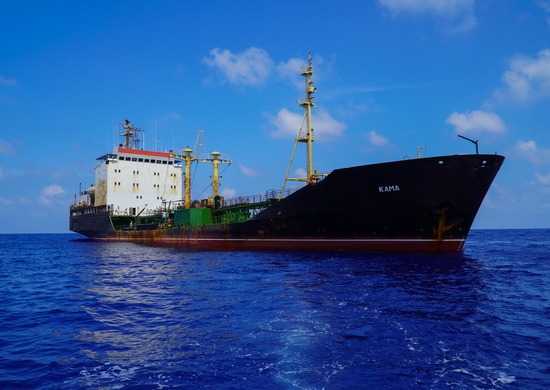
The U.S. Treasury Department’s Office of Foreign Assets Control has issued a general license authorizing transactions involving Russian oil and petroleum products loaded onto vessels as of March 12. Restrictions on the sale of Russian oil have been lifted for one month, until April 12, and do not apply to transactions involving Iran.
U.S. Treasury Secretary Scott Bessent emphasized that this is a temporary measure intended to ensure stability in global energy markets and support oil prices.
“This short-term measure applies only to oil that is already in transit and will not yield significant financial benefits to the Russian authorities, as the bulk of revenue from the energy sector comes from taxes levied at the production stage.”
The lifting of U.S. restrictions applies to 100 million barrels of Russian oil currently at sea, said Kirill Dmitriev, the Russian president’s special representative for investment and economic cooperation with foreign countries. He also noted that an increasing number of countries are beginning to purchase oil from Russia amid the easing of U.S. sanctions on Russian energy resources.
On March 13, Thai Deputy Prime Minister Phiphat Ratchakitprakarn announced, that the country is preparing to begin negotiations with Russia on oil supplies to offset a potential energy shortage. Currently, Bangkok imports up to half of its crude oil from Gulf countries. Thailand’s strategic fuel reserves are sufficient for 98 days of processing.
Earlier, India received temporary permission from the U.S. to purchase Russian oil that was at sea at the time the decision was made. The Finance Minister of Bangladesh applied to the U.S. for a similar exemption.
According to industry experts, by the end of March, Russia could receive $3.3–4.9 billion in additional revenue—provided the average price of Russian oil remains at $70–80 per barrel.