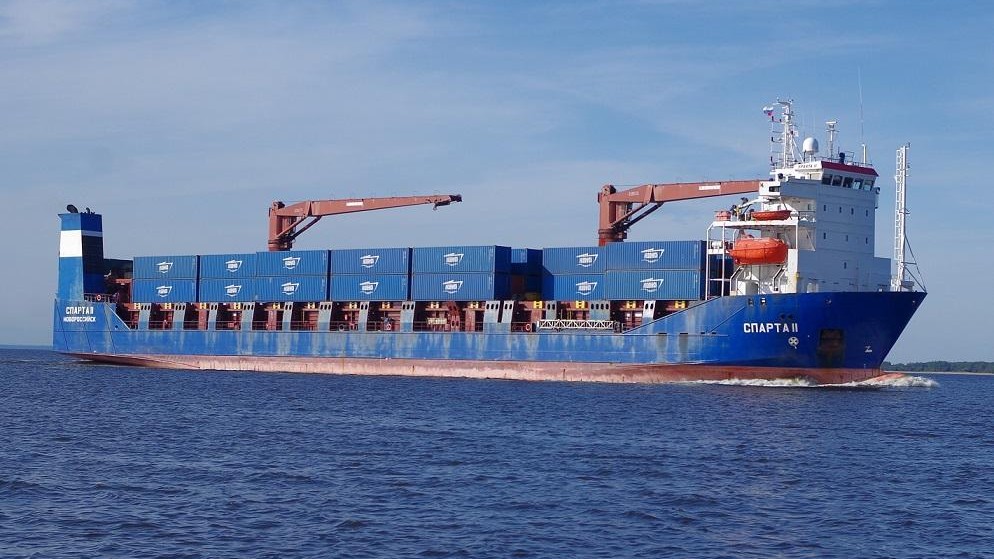

The Russian cargo ship Sparta II, which was attacked by drones in the Baltic Sea on 21 November, has been towed to Russian territorial waters. The Finnish authorities decided not to detain the vessel because of the risk of an environmental disaster. What exactly Sparta II was carrying from St Petersburg to Kaliningrad is still unknown: the Russian side has not provided information about the cargo. In Finland it is suspected that Ukraine may have been behind the attack on the Russian ship, but Kyiv has not officially commented on the incident. Moscow is also refraining from accusations.
In brief:
- The Russian cargo ship Sparta II was attacked by drones in the Baltic Sea. After a fire the vessel lost power and drifted into Finnish territorial waters.
- The Finnish authorities decided not to detain the ship because of the risk of fire, explosion or an environmental disaster.
- Sparta II belongs to the company Oboronlogistika and has previously been used for military transport. What exactly the vessel was carrying from St Petersburg to Kaliningrad is unknown.
- The Finnish military suspects Ukraine was involved in the attack, but no evidence has been made public. Kyiv has not claimed responsibility, and Moscow has refrained from direct accusations.
- Russian vessels have come under attack not only in the Baltic but also in the Mediterranean. In the Libyan port of Benghazi the corvette Merkury was attacked, and off the Libyan coast the merchant ship Angara. Both are linked to the transport of Russian military equipment and weapons.
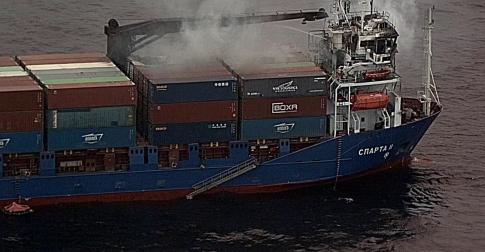
On the morning of 21 November 2026 drones attacked the Russian cargo ship Sparta II in the Gulf of Finland on its way from St Petersburg to Kaliningrad. At the time of the attack the vessel was in international waters west of the Russian island of Gogland. Explosions went off on board and a fire broke out.
According to the Russian authorities, the ship was attacked by two drones. The damaged cargo ship lost power and began to drift. Soon the burning Sparta II found itself in Finnish territorial waters near the town of Loviisa.
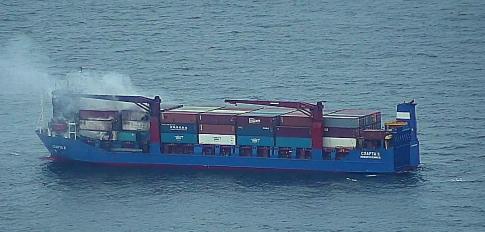
Seven minutes after the cargo ship entered Finnish waters, a Russian helicopter crossed the country’s airspace border, flying 4.1 kilometres into its territory. Finnish Defence Minister Antti Häkkänen later suggested that its appearance was linked to a rescue operation or to monitoring the damaged vessel. The authorities did not specify the type of helicopter or how long it remained in Finnish airspace.
The crew of Sparta II at first refused to leave the ship despite the fire. Later all 16 sailors were evacuated to a Russian vessel.
The rescue operation was led by the Finnish Border Guard with the participation of Russian and Estonian vessels. Rescuers fought the fire and tried to prevent the cargo ship from sinking and polluting the Gulf of Finland.
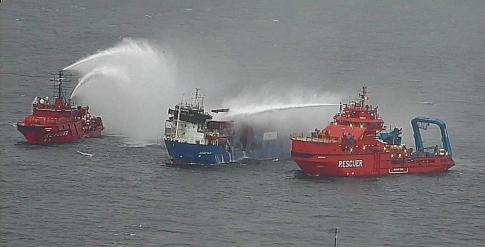
Sparta II was unable to leave Finnish territorial waters on its own. On 22 November the damaged cargo ship was taken in tow by a Russian salvage vessel, which brought it out of Finnish waters. The damaged ship is expected to arrive at the port of St Petersburg on the night of 23 to 24 November.
What was Sparta II carrying?
Sparta II belongs to the Russian company Oboronlogistika, which transports cargo, including for the Russian Defence Ministry. The ship has been under US sanctions since May 2022.
The 122-metre vessel with a deadweight of about 8,000 tonnes has a stern ramp and its own cranes, which make it possible to load containers, vehicles and heavy military equipment, including in ports with limited infrastructure.
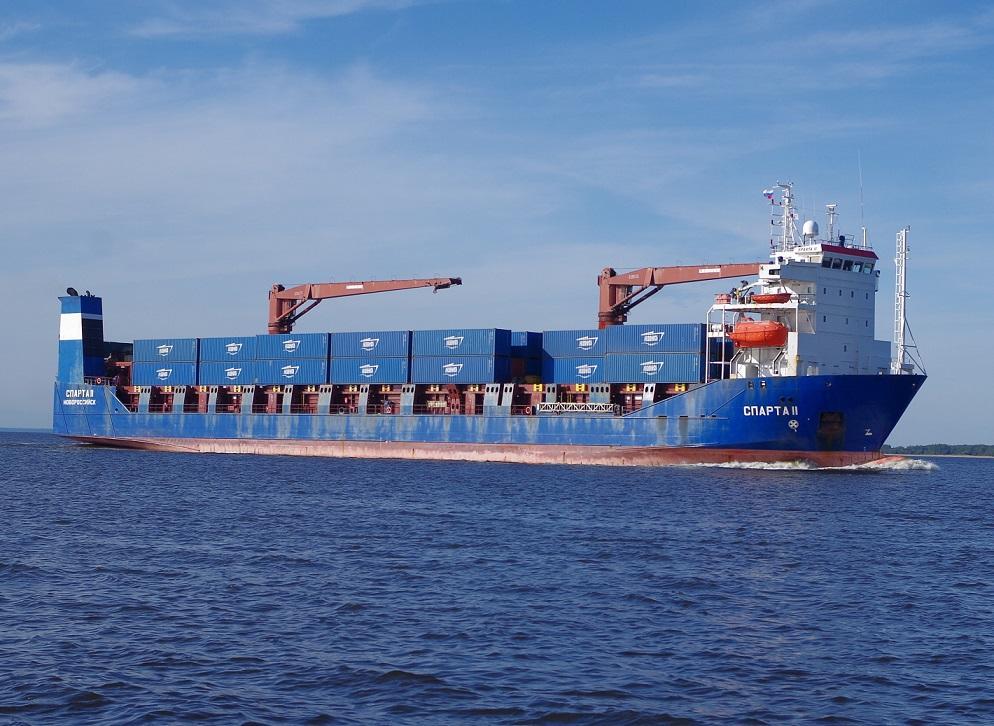
Sparta II has repeatedly been used to transport Russian military cargo. According to Ukraine’s Defence Intelligence (HUR), in April 2022 the vessel passed through the Bosphorus with military equipment on board. In August of the same year, according to Ukrainian intelligence, the cargo ship took part in moving weapons, including S-300 air defence systems, from Syria to Novorossiysk.
After the fall of Bashar al-Assad’s regime in December 2024, Sparta II took part in removing Russian military property from the base in Syria’s Tartus to Libya.
Besides Mediterranean voyages, the cargo ship served the route between St Petersburg and Kaliningrad region. Since October 2022 it has intermittently carried containers, vehicles, heavy equipment and other cargo across the Baltic. According to Oboronlogistika, by March 2025 Sparta II had carried more than 265,000 tonnes of cargo on this route.
It was from St Petersburg to Kaliningrad that the ship was heading on 21 November when it was attacked by drones. What was on board this time is not known for certain. Russia’s state agency TASS, citing an unnamed source, reported that the cargo ship was carrying paints and varnishes.
The Finnish Border Guard tried to establish the contents of the containers but never received precise information from the Russian side.
As Yle reported, the Finnish authorities also considered detaining Sparta II, but decided against it because of the risk that the damaged vessel could explode or sink.
Helsinki suspects Ukraine of the attack, Moscow and Kyiv are silent
Finnish President Alexander Stubb called the attack on Sparta II a serious incident. He said he was in constant contact with the heads of the security agencies and the Border Guard, and that Finland’s key partners and allies had been informed of what happened.
Prime Minister Petteri Orpo linked the incident to the consequences of the Russian-Ukrainian war, which increasingly affect neighbouring countries. He stressed that Ukraine has the right to defend itself and to strike back at Russia.
A representative of the Finnish Defence Forces, Aki-Mauri Huhtinen, said that Ukraine was most likely behind the attack on the cargo ship. However, the Finnish authorities have not publicly presented any evidence of Kyiv’s involvement.
Ukraine itself has not officially reported an operation against Sparta II and has not claimed responsibility for the strike.
The Russian authorities reacted to the attack on Sparta II rather calmly. No loud accusations against Ukraine or NATO countries were made at the official level. Only the governor of Kaliningrad region, Alexei Besprozvannykh, assured that the incident would not affect supplies to the region.
Meanwhile, Russian pro-war bloggers put forward various versions of what happened. War correspondent Alexander Kots and blogger Mikhail Onufrienko suggested NATO structures were involved. The Telegram channel Rybar, on the contrary, called the Ukrainian version the most likely, urging people not to look for a NATO trail without evidence.
Russian military logistics under attack not only in the Baltic
The day after the attack on Sparta II in the Gulf of Finland, Russian vessels off the coast of Libya came under attack.
On the night of 22 November an explosion occurred in the port of Benghazi on the Russian Project 20380 corvette Merkury, moored at the naval base pier. A fire broke out on board. According to maritime analysts, the ship was seriously damaged, capsized and sank.
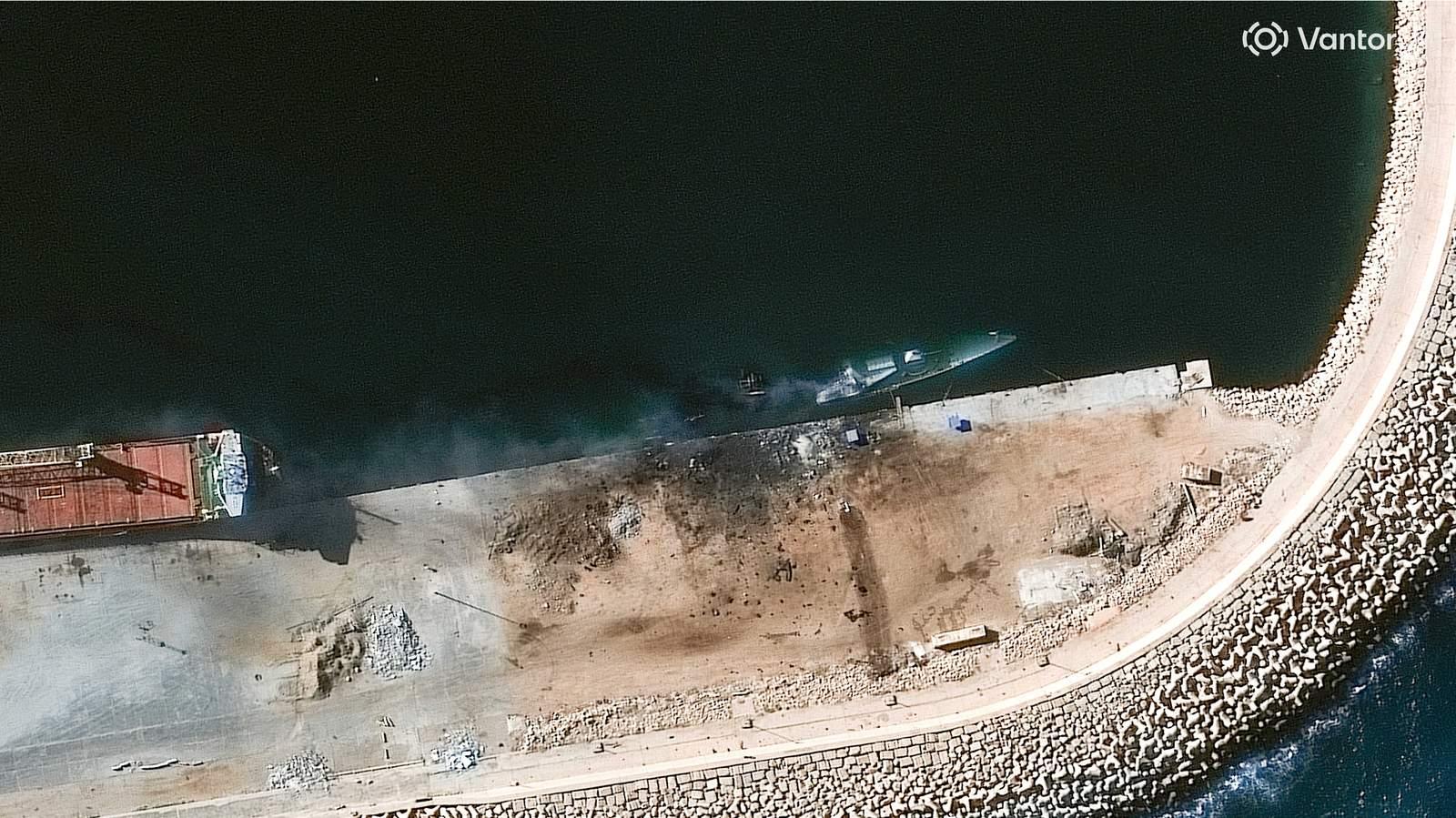
The authorities of eastern Libya said the explosion was probably caused by a drone attack. According to specialised maritime publications, Merkury escorted Russian cargo ships involved in transporting military cargo in the Mediterranean.
The corvette Merkury was considered one of the most modern ships of the Russian Navy. It was launched on 12 March 2020, when it was still called Retivy.
On the morning of 23 November Ukrainian President Volodymyr Zelensky confirmed that Ukrainian forces were behind the attack on Russian vessels off the Libyan coast. According to him, seven naval drones took part in the operation, sinking the corvette Merkury together with a Ka-27 helicopter that was on board, and hitting the cargo ship Angara, which, Kyiv says, was used to transport weapons.
Angara is a Russian ro-ro ship built in 1998 and under international sanctions. The vessel has previously figured in investigations into deliveries of North Korean ammunition to Russia. In a 2024 report by UN experts it was mentioned among the ships carrying containers between the DPRK and Russian ports.
Official Russian and Belarusian sources cited in this text are for informational purposes only. Content from these sources may constitute disinformation or propaganda.