
Despite sanctions and efforts to diversify imports, the European Union remains dependent on fertilizer supplies from Russia. Replacing these volumes with alternative suppliers is limited by shortages of raw materials, production capacity, and logistics, while domestic production in the EU is heavily dependent on energy prices. Against this backdrop, some countries are calling on the European Commission to ease tariff policies on fertilizers from Russia and Belarus to curb rising food prices.
In brief:
- Russia remains one of the key suppliers of mineral fertilizers to the EU
- Sanctions have not affected Russian fertilizer supplies, while access for Belarusian products to the European market is effectively blocked
- The EU is trying to reduce its dependence on Russia, but the fertilizer market remains under pressure from external factors, including the current instability in the Middle East
- Against this backdrop, Hungary advocates for easing tariff policies on Russian and Belarusian fertilizers, but Brussels is currently focusing on alternative support mechanisms for farmers
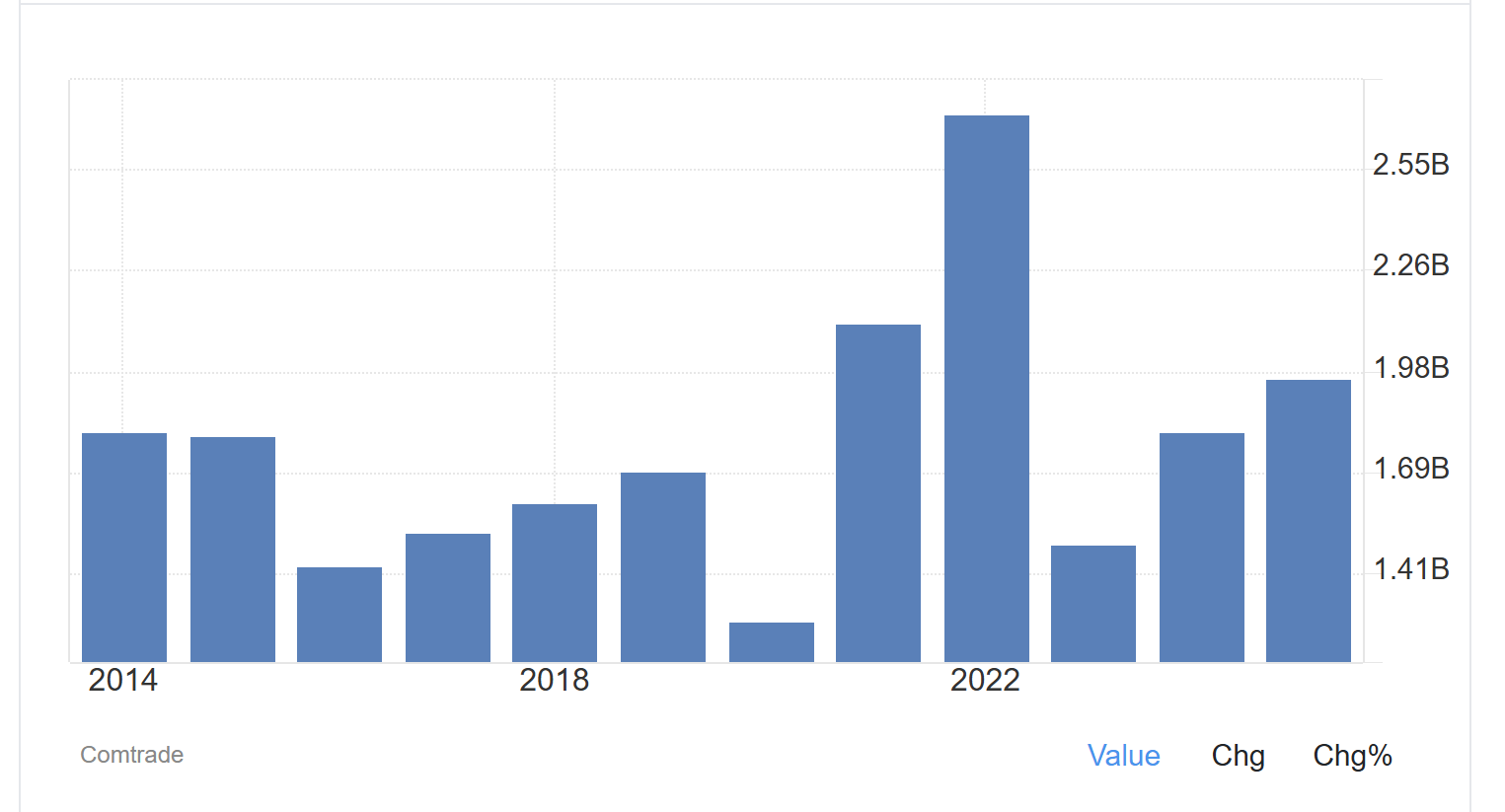
In 2025, Russia supplied 23% of the EU’s fertilizer needs. Despite a 5% decline in market share compared to 2021, dependence remained unchanged in the key segment—nitrogen fertilizers—with Russia still accounting for about a quarter of all EU purchases. Last year, fertilizer exports to Europe brought Russian producers nearly €2 billion.
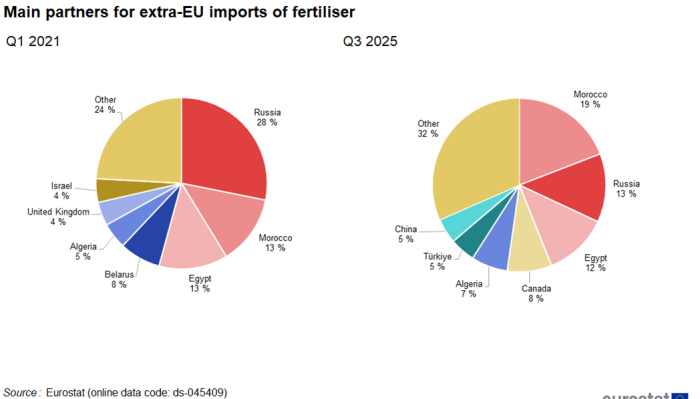
Apart from Russia, the largest suppliers of fertilizers to the EU are Morocco, Egypt, Algeria, Norway, and Canada.
Poland remains the largest buyer of Russian fertilizers in the EU: in 2025, imports totaled 1.8 million tons—a 41% year-over-year increase. Other key importers include Germany (511,000 tons, unchanged), France (366,000 tons, down 42%), Romania (363,000 tons, +1%), and Spain (329,000 tons, −14%).
In addition to nitrogen fertilizers, Russia supplies potash and compound fertilizers to the EU.
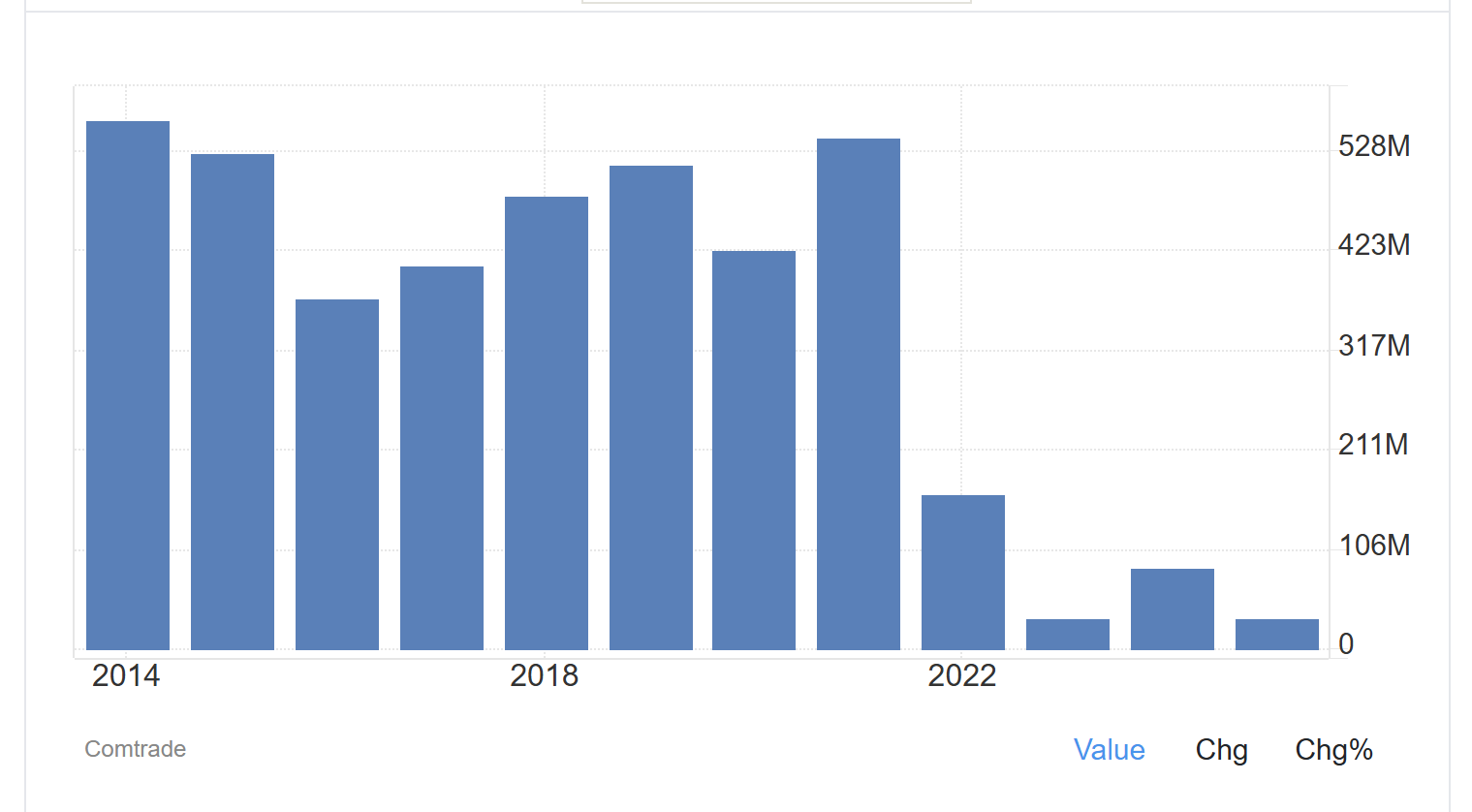
The situation is different with Belarusian fertilizers. While the EU imported €465 million worth of Belarusian fertilizers in 2021, the volume had dropped to €28 million by 2025. Compound fertilizers, including nitrogen, phosphorus, and potassium (NPK) blends, form the bulk of Belarusian exports to the EU.
Sanctions with caveats
The European Union’s approach to sanctions against Belarus and Russia has evolved along different trajectories—both in terms of timing and the scope of restrictions.
Belarus was the first to face sectoral sanctions: as early as June 2021, the EU imposed restrictions affecting the export of potash fertilizers in response to political repression in the country. However, in the initial phase, the sanctions were targeted and did not completely block supplies.
A sharp turn occurred in 2022 after the start of hostilities in Ukraine, when Belarus acted as an ally of Russia. The European Union significantly expanded the sanctions regime against Minsk, which complicated fertilizer logistics and financial transactions.
In the case of Russia, the EU’s sanctions policy proved to be more restrained. The reason is European agriculture’s high dependence on Russian fertilizers. In 2022, the EU imposed sweeping restrictions on Russian companies, banks, and access to technologies for the chemical industry. However, fertilizers themselves were not subject to a direct ban.
Fertilizer shipments from Belarus to the EU also did not completely stop despite the sanctions. Products from key Belarusian manufacturers—Belaruskali and Grodno Azot—continue to find their way into Europe through back channels. Among the most common schemes are: changing the country of origin of goods in documents, “fake” Belarusian manufacturers, and complex supply chains, as a result of which Belarusian products cease to be Belarusian.
Searching for Alternatives
The European Union consumes tens of millions of tons of mineral fertilizers annually, with a significant portion of this demand met through imports. Until 2022, Russia and Belarus were the key suppliers; however, following the outbreak of full-scale war in Ukraine, the EU set a course to reduce this dependence.
In the summer of 2025, the European Union introduced an updated tariff regime for fertilizers from Russia and Belarus, including a combination of ad valorem (a percentage of the product’s price) and specific rates. On average, Russian and Belarusian fertilizers became 20% more expensive for European importers. In Brussels, this decision was explained by a price imbalance: producers from Russia and Belarus have access to cheaper raw materials, while European companies purchase gas at market prices. In the future, the duties may be increased, and, according to European Commission estimates, by 2028 the presence of Russian and Belarusian fertilizers on the EU market could decline significantly, as sales will become unprofitable.
At the same time, the EU has been trying to ramp up its own production, primarily in the nitrogen fertilizer segment.
Until 2022, there were about 120 plants operating in Europe, meeting up to 70% of domestic demand. However, this model proved vulnerable: the plants still depended on Russian raw materials.
Following the reduction in pipeline supplies and rising gas prices, nitrogen fertilizer production in the EU plummeted. Subsequently, some capacity was restored, but the market never returned to previous levels: only about half of the idled production facilities resumed operations.
Attempts to diversify imports and increase purchases of nitrogen fertilizers from Algeria and Egypt are hampered by production constraints. These countries are unable to significantly increase production in the short term to a level comparable to supply volumes from Russia.
Phosphate imports into the EU rely on a limited circle of suppliers, with Morocco playing a key role; therefore, any force majeure in North African countries affects fertilizer prices and availability.
Canada has become the main beneficiary of the potash market’s realignment. Canadian companies have increased exports to Europe following the departure of Belarusian suppliers. Russian potash continues to be supplied to the EU market.
The EU’s “green” policy has also created additional challenges for European fertilizer importers. The Carbon Border Adjustment Mechanism (CBAM) has been fully operational since 2026. It stipulates that if a product is manufactured outside the European Union with high CO₂ emissions, the importer must pay the difference to the “carbon” price in effect in the EU upon import.
CBAM directly affects the fertilizer market, as fertilizers are among the most carbon-intensive goods in international trade. Consequently, fertilizer imports from certain regions will become more expensive, especially for producers with a high carbon footprint. Estimates of exactly how much prices will rise vary widely. A group of nine EU countries led by France has projected a 25% increase, while Austria believes prices will rise by 10–15%.
The “Black Swans” of 2026
Events in the Middle East have increased volatility in the global fertilizer market, causing supply disruptions and higher logistics and insurance costs.
The price of natural gas, from which nitrogen fertilizers are produced, has increased by an average of 40% over the past six months, and the price of the final product is rising accordingly. Under these conditions, European chemical companies are once again cutting back on production. In particular, Yara International and BASF have announced a reduction in production of approximately 60% and the shutdown of several facilities.
Additional pressure on prices is being exerted by fertilizer export restrictions imposed by major producers, including China and Russia, which are attempting to stabilize their domestic markets and ensure their own food security.
Against this backdrop, Copa and Cogeca, Europe’s largest lobby for farmers and agricultural cooperatives, state that, according to European Commission data, nitrogen fertilizer imports in January 2026 fell to 179,877 tons compared to 1.18 million tons a year earlier. According to their data, nitrogen fertilizer stocks in the EU cover only 45–50% of farmers’ needs for the 2026 harvest.
Hungary has already proposed temporarily easing sanctions on Belarusian and Russian fertilizers. Agriculture Minister István Nád warns that rising prices and supply uncertainty could hit European farmers and lead to higher food prices. For Hungary itself, the issue is particularly sensitive, as the country produces mainly nitrogen fertilizers and relies on imports of phosphorus and potassium, which increases the risk of lower yields in 2026.
However, the likelihood of a revision to the EU’s sanctions policy remains low. Brussels is banking on alternative mechanisms to stabilize prices for farmers. In late February, the European Commission proposed temporarily suspending import duties on a number of key nitrogen fertilizers and raw materials—with the exception of products from Russia and Belarus. According to the regulator’s estimates, the measure will save approximately €60 million while simultaneously reducing the EU’s dependence on Russian and Belarusian suppliers.