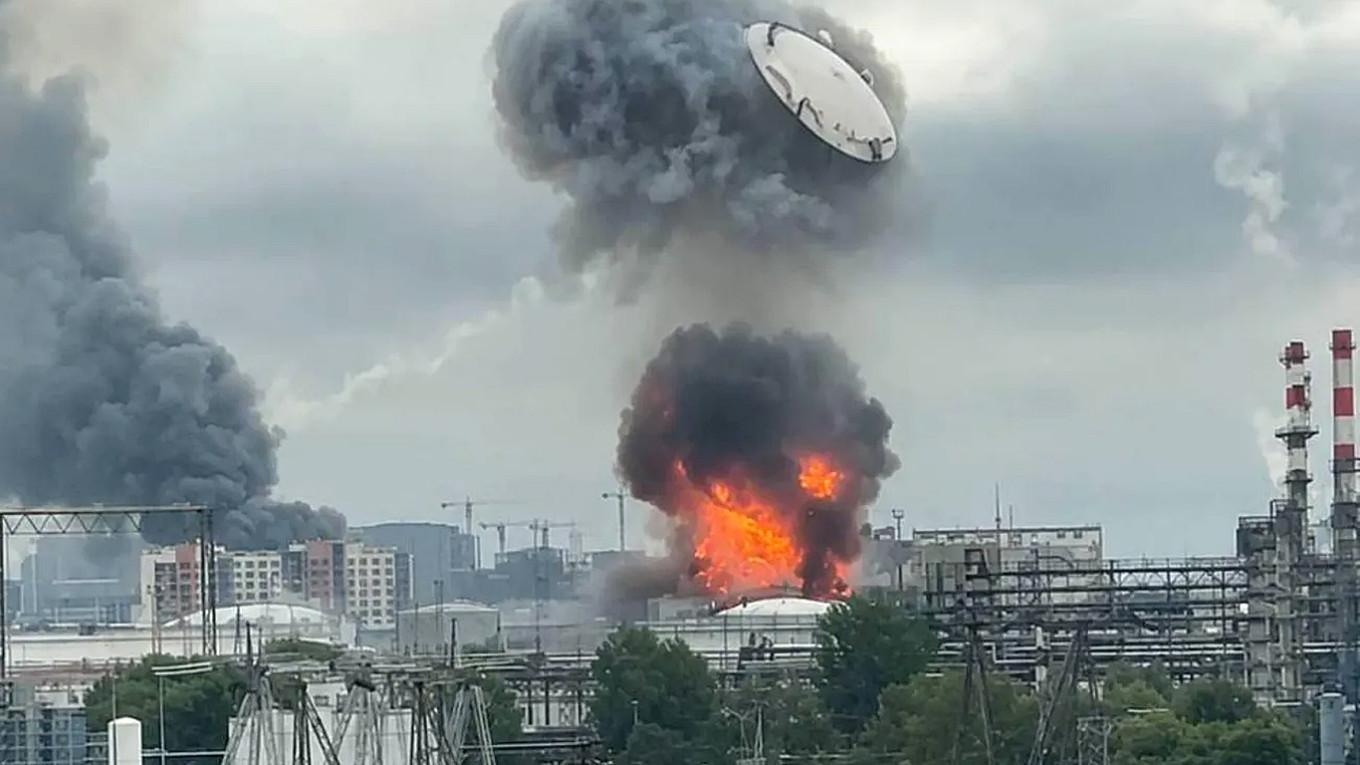

Russia’s big business and the state are haggling over who should pay to protect industrial facilities from Ukrainian drones. Entrepreneurs are prepared to invest in air defence, but in return they are asking for tax breaks that would allow them to recoup part of the costs. The Ministry of Finance, which has to count every rouble as the budget deficit grows, is so far prepared to offer only limited tax relief.
In brief
- Ukrainian drones are striking Russian plants, and military air defence is not enough to protect all industrial facilities
- Companies have already spent tens of billions of roubles on protection against UAVs and are asking the state to meet them halfway
- The Finance Ministry is prepared to offer only limited tax relief
- While business haggles with the Finance Ministry over taxes, oligarchs are offering Putin voluntary donations to the budget. The total of these “donations” is approaching 400 billion roubles
“Wake up, guys, nobody will protect us but ourselves”
At the start of the full-scale invasion, Russian oligarchs did not give much thought to protecting their enterprises from Ukrainian attacks. The war was being fought far from most of their assets, and strikes were aimed mainly at military targets, chiefly in the border regions.
The turning point came in 2024, when Ukraine launched a large-scale campaign against Russian oil refineries and oil depots. Later, energy, transport and logistics infrastructure also came under attack. At the same time, the geography of the attacks widened: Ukrainian drones began hitting enterprises thousands of kilometres from the border.
And suddenly it turned out that there was practically no one to protect the plants and ports. Military air defence could hardly be relied upon: it covered primarily military facilities and other priority targets, and there are simply not enough forces and equipment for thousands of industrial enterprises.
After strikes on enterprises in Tatarstan in April 2024, the head of the republic, Rustam Minnikhanov, put the new reality with utmost frankness: “Wake up, guys, nobody will protect us but ourselves.”
Business had to find money for its own anti-drone protection. According to an estimate by the National Technology Initiative cited by the economist Alexandra Prokopenko, Russian companies spent around 100 billion roubles on it in 2024, and as much as 200 billion in 2025.
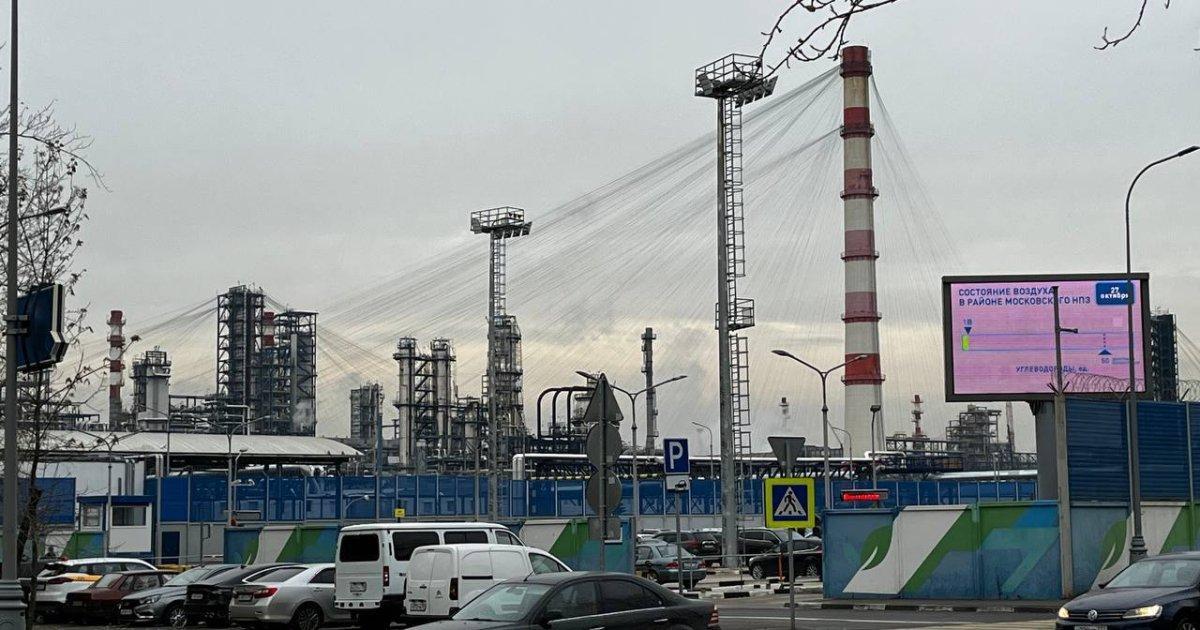
Companies bought electronic warfare (EW) equipment, anti-drone guns, detection systems and protective structures en masse. According to estimates by suppliers, by spring 2025 some 60–80% of Russia’s civilian industrial enterprises were already equipped with some form of protection against drones.
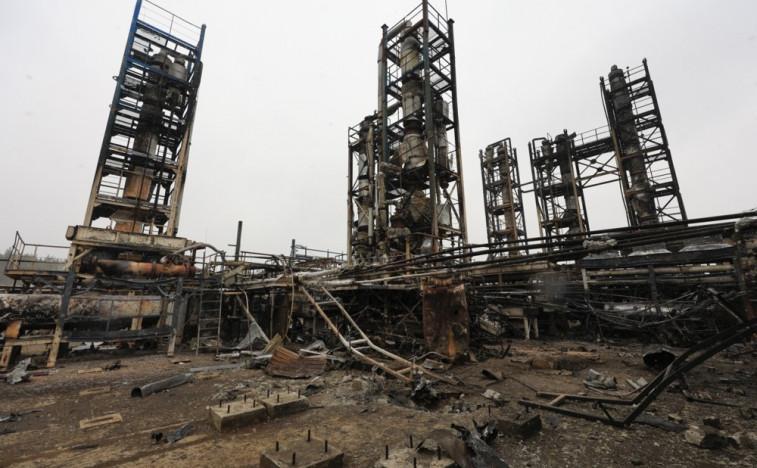
But the billions spent on security did not prevent new strikes. Ukrainian drones kept improving, and the systems purchased could not always keep up with them. Plants continued to burn and production ground to a halt. What was needed was full-fledged air defence.
In May 2026, as RBC reported, the authorities allowed private companies to purchase heavy machine guns, anti-aircraft systems, radar equipment and special vehicles for air defence units. However, all the equipment and weapons must be handed over to the military units defending the regions and industrial facilities. Business was not allowed to create its own armed formations. How many companies have taken advantage of this opportunity is unknown: the authorities disclose neither the number of participants nor the total value of the purchases.
Within just a few months, the authorities moved from offers to threats: Vladimir Putin signed a decree allowing critical infrastructure facilities to be placed under temporary state management if their owners fail to meet security requirements or delay recovery after attacks.
Big business did not like the prospect of losing control over its own enterprises, even temporarily. Entrepreneurs declared their readiness to pool efforts and funds to protect industrial facilities, but they expect the state to take on part of the financial burden. The two sides are still discussing the terms of such cooperation.
“We are ready to chip in. But the process needs to be incentivised”
The government’s position was set out by Deputy Finance Minister Alexei Sazanov. According to him, the authorities are prepared to allow companies to take into account, when calculating corporate profit tax, certain expenses on protection against drones that previously did not fall under the existing rules. But the Finance Ministry did not plan to introduce special tax breaks. In particular, the ministry did not intend to extend the federal investment tax deduction to anti-drone protection.
This approach formed the basis of a bill submitted by the government to the State Duma on 30 September. It proposed allowing companies to deduct from their taxable profit the value of property transferred free of charge to military units for protection against drones, as well as the costs of their equipment, food and accommodation.
However, for the Russian Union of Industrialists and Entrepreneurs (RSPP), which represents the interests of Russia’s largest companies, these concessions were not enough.
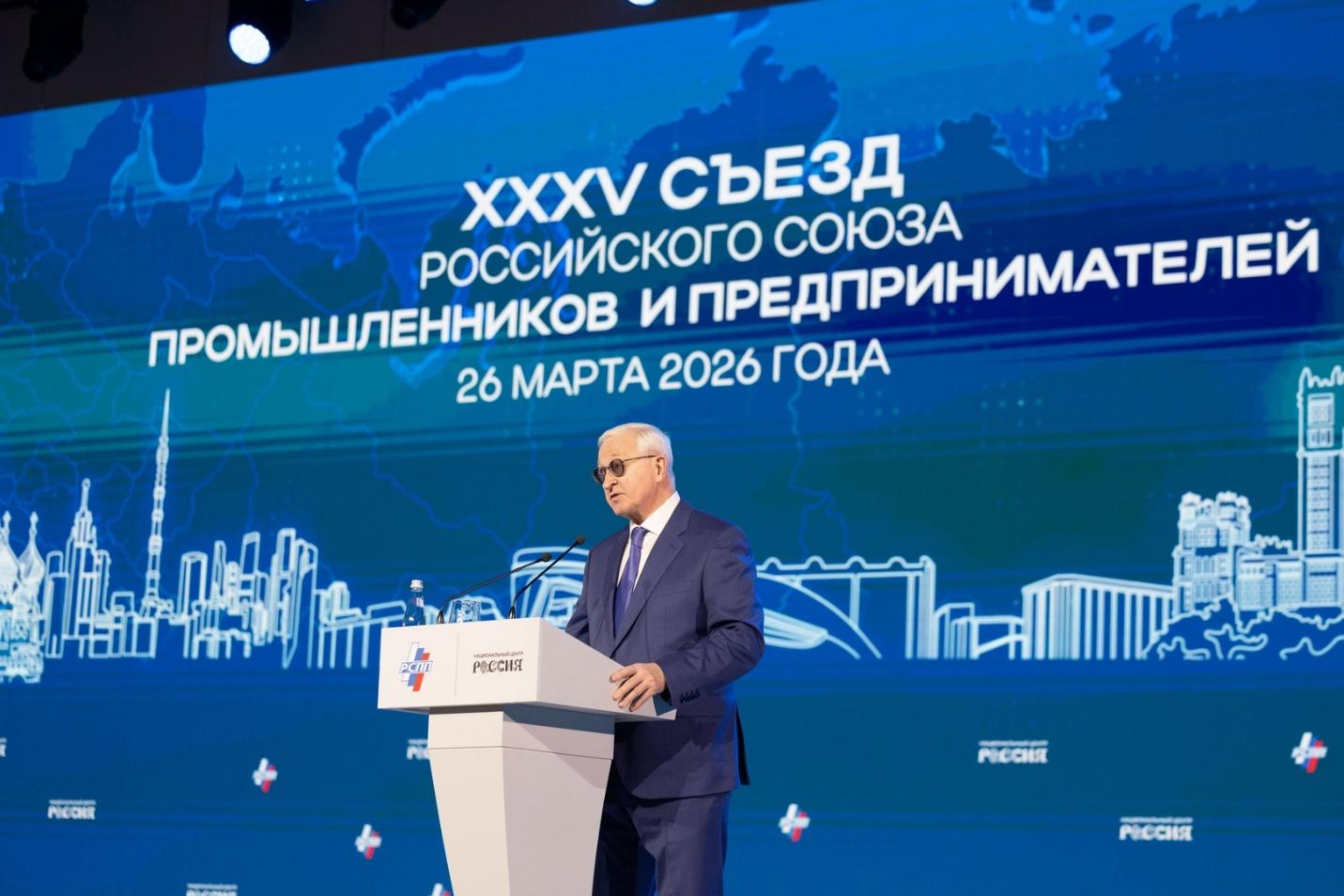
On 9 October, RSPP President Alexander Shokhin sent Prime Minister Mikhail Mishustin a letter proposing changes to the government’s tax package. The union proposed exempting protective structures from property tax, allowing mandatory expenditure on the security of critical infrastructure to be counted at double its value, and extending the federal investment tax deduction to such investments.
“We are ready to chip in, so to speak. And probably the issue is that this process needs to be incentivised. Here is the pilot of the investment tax deduction – let’s at least start with that. These are serious investments,” Shokhin later explained the business position.
The breaks for anti-drone protection were, however, only part of a broader tax bargaining between business and the state. The RSPP proposed revising the windfall tax on certain extractive companies, suggesting instead that the additional payments be spread more evenly across companies in different sectors. In addition, the union sought a softening of the new rules on the taxation of dividends and other investment income, as well as a postponement of changes to the taxation of closed-end mutual investment funds.
On 19 October, Alexei Sazanov warned businesspeople that additional tax revenue had already been factored into the draft federal budget, so amendments that would reduce the state’s expected revenue were unlikely. Nevertheless, the Finance Ministry is prepared to meet representatives of the RSPP and discuss their proposals. No date for the talks has yet been set: according to Sazanov, it will depend on the schedule of Finance Minister Anton Siluanov.
Haggling with the Finance Ministry, donating to Putin
Over the years of the war, the Kremlin’s relations with Russia’s biggest entrepreneurs have turned into constant bargaining. The state needs ever more money for the war, and the budget deficit in 2026 may reach a record 7.3 trillion roubles.
Whenever new taxes come up, business points to sanctions, losses and rising costs. Meanwhile, the richest Russians continue to grow their fortunes. In 2026, a record 155 Russian billionaires made the Forbes list. Over the year, their combined wealth grew by 71 billion dollars, to 696.5 billion.
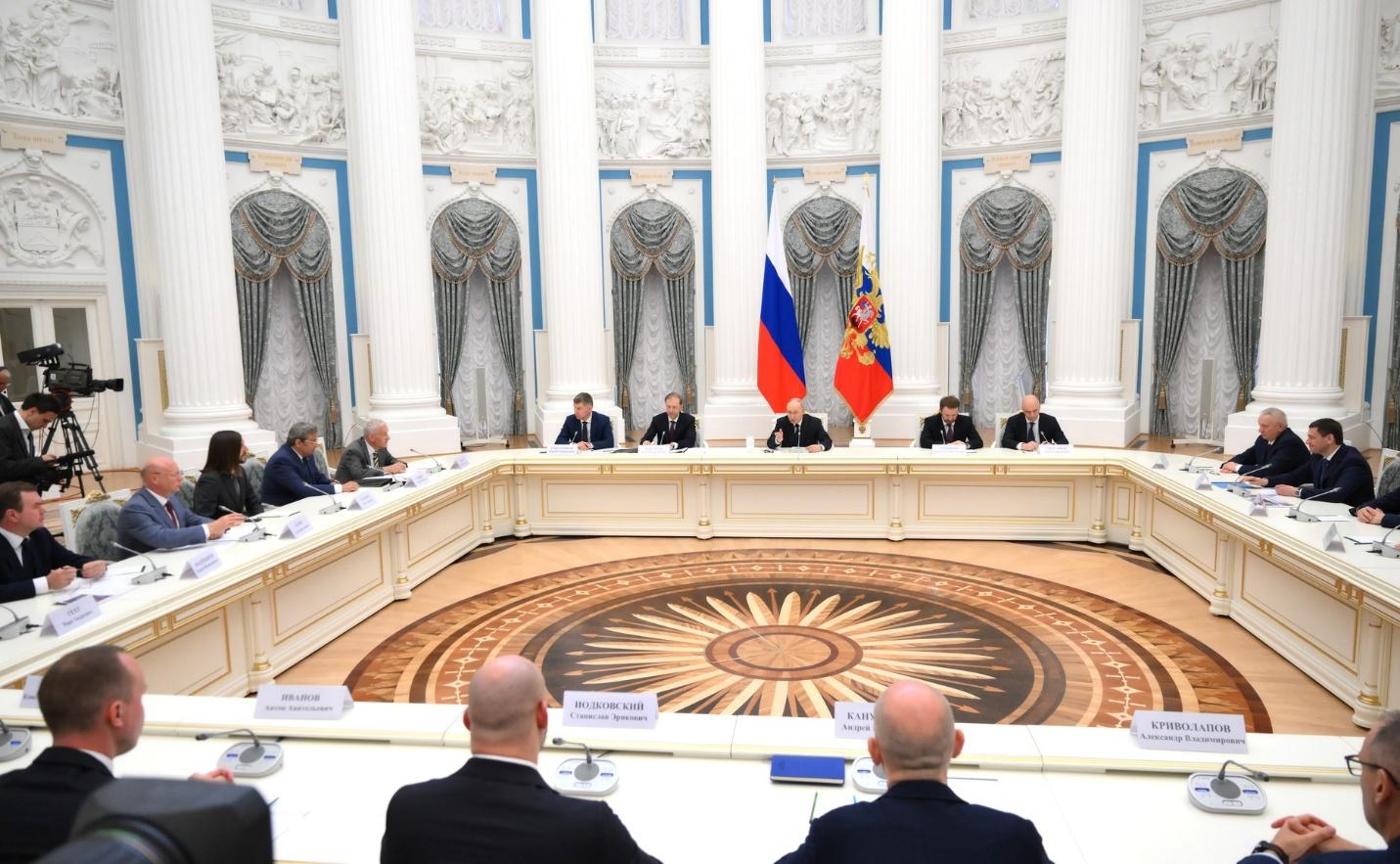
But it is one thing to argue with the Finance Ministry about taxes, and quite another to refuse Putin personally. In March, at a closed-door meeting between the president and Russia’s biggest businesspeople, one of the participants offered to transfer “a very large sum of money” from family savings to the state. As presidential press secretary Dmitry Peskov later explained, “many participants in the meeting started their businesses in the 1990s with the participation of the state, and therefore now consider it their duty to help the country”. Putin welcomed the initiative, stressing that donations are a personal matter for everyone. Since then, gratuitous receipts to the federal budget have reached 384 billion roubles.
Official Russian and Belarusian sources cited in this text are for informational purposes only. Content from these sources may constitute disinformation or propaganda.