
The new State Duma convened for its first session in record time – just ten days after the elections. And that is not the only record of this convocation: United Russia won the largest number of seats in its history and retains its constitutional majority. For the first time, the Duma includes deputies elected in the occupied territories of Ukraine, and among the newcomers is Ukraine’s former acting prime minister, Serhii Arbuzov.
The persecution of Yabloko continues after the elections: party leader Nikolai Rybakov has been accused of “damaging other people’s property” over anti-war slogans written on his ballot papers.
In brief:
- The new State Duma convened just ten days after the elections – a record
- United Russia won 349 seats and retained its constitutional majority
- The new Duma includes dozens of war participants and deputies elected in the occupied territories of Ukraine
- Among the newcomers is Ukraine’s former acting prime minister Serhii Arbuzov
- Yabloko was barred from running on the federal list, and after the vote an administrative offence report was drawn up against its leader Nikolai Rybakov
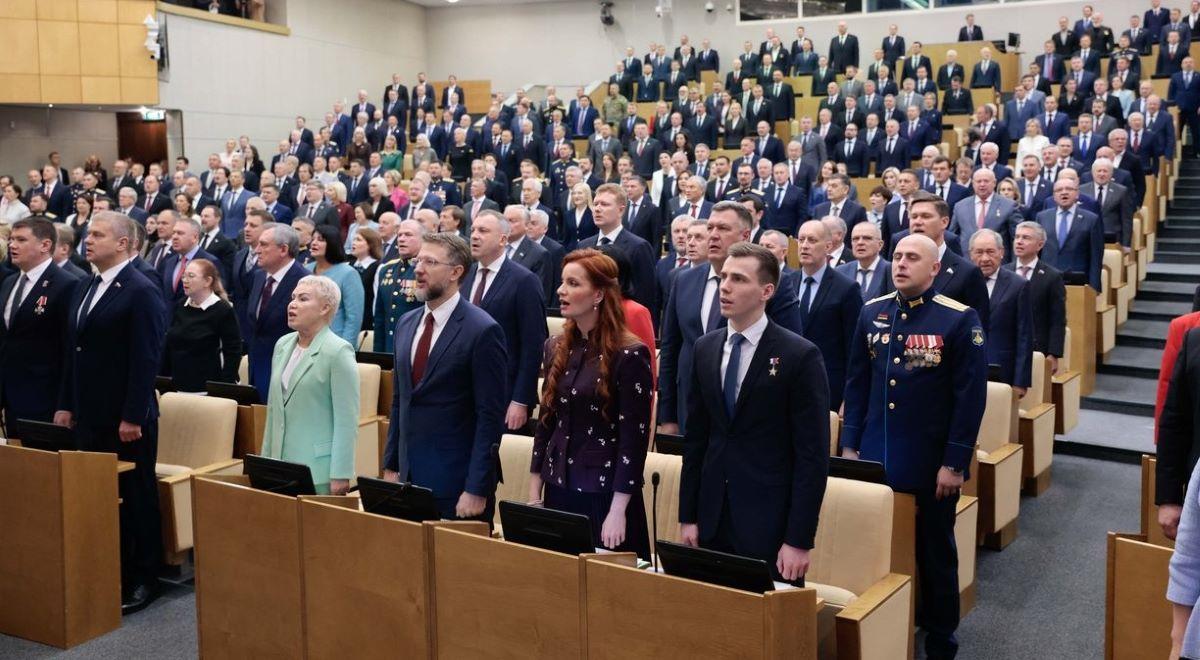
The ninth State Duma convened for its first session on 30 September – just ten days after voting ended in the parliamentary elections on 20 September. This is the shortest interval between elections and the start of work of a new lower house in the history of modern Russia.
Under the Constitution, the new State Duma must convene for its first session on the 30th day after its election, but the president has the right to convene it earlier. Which is exactly what Vladimir Putin did. The Kremlin explained this by saying that the Duma has “a big agenda” and that it is important to avoid a long break in its work.
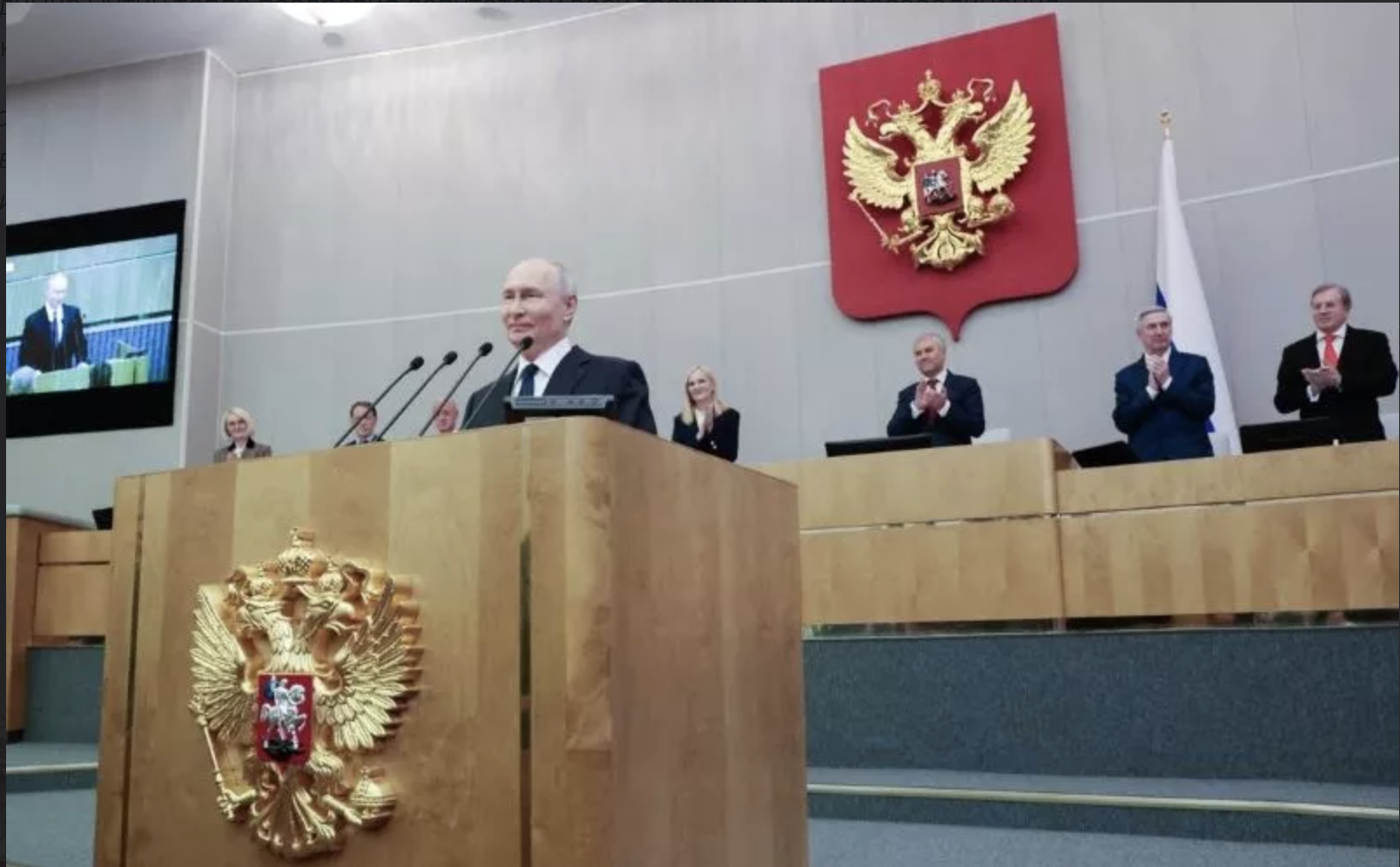
The opening of the new convocation was unusual in itself. Under the Constitution, the first session is to be opened by the oldest deputy – in the current composition, 90-year-old United Russia member Vladimir Resin. He, however, ceded this role to his 79-year-old party colleague Yuri Petrov. The decision was agreed with the other oldest deputies – 89-year-old Valentina Tereshkova and 82-year-old Communist Party (KPRF) leader Gennady Zyuganov. Observers attribute this above all to the age and health of the parliamentarians, and in Zyuganov’s case party affiliation probably also mattered: he heads the KPRF, while the symbolic opening was to be performed by a representative of the party of power, which had, moreover, won with a historic record.
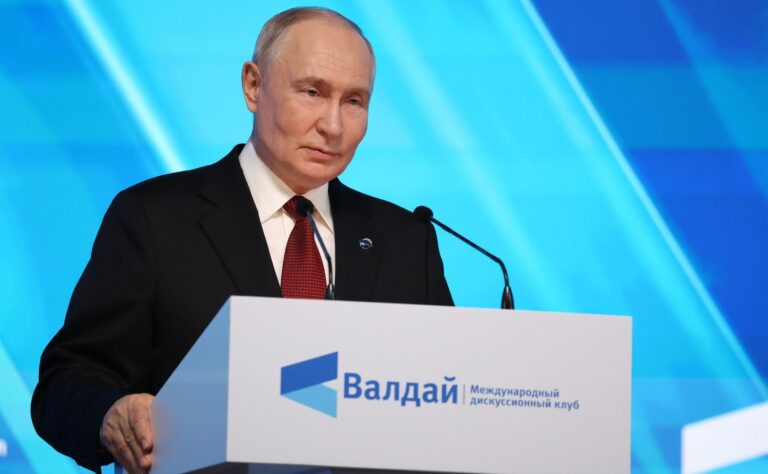
Vladimir Putin personally addressed the first session of the new Duma. He called on deputies to focus on strengthening the country’s defence capability and sovereignty, supporting war participants and their families, and fulfilling social obligations.
Putin also urged United Russia, despite its constitutional majority, to take into account the positions of other factions, behind which stand “the votes of millions of voters”.
A historic majority
After the final count, United Russia won 349 of the 450 seats in the State Duma – a record number of seats for the party. Of these, 140 came from party lists and another 209 from single-member districts. The party thus retained its constitutional majority: it has considerably more than the 300 votes required for it.
The second-largest faction is the KPRF, with 37 deputies. The LDPR has 23 seats, New People 19 and A Just Russia 17. Rodina won one more seat, and four seats went to self-nominated candidates.
After United Russia’s historic victory, members of its federal list began to give up their seats en masse. The Central Election Commission counted 57 “refuseniks”, mostly governors who had headed the party’s regional groups. The “top names” on the ruling party’s federal list also chose not to go to the Duma – Foreign Minister Sergei Lavrov, Moscow Mayor Sergei Sobyanin, war correspondent Yevgeny Poddubny and children’s ombudsman Maria Lvova-Belova. As a result, of United Russia’s top five, only Vladislav Golovin – a Hero of Russia and head of the main staff of the Yunarmiya youth movement – is represented in the Duma.
The leaders of the other parties did not give up their seats. As a result, the new Duma will include KPRF Central Committee chairman Gennady Zyuganov, LDPR leader Leonid Slutsky, New People chairman Alexei Nechayev and A Just Russia leader Sergei Mironov. Rodina, which won its only seat thanks to a victory in a single-member district, is again represented in the Duma by its chairman Alexei Zhuravlyov.
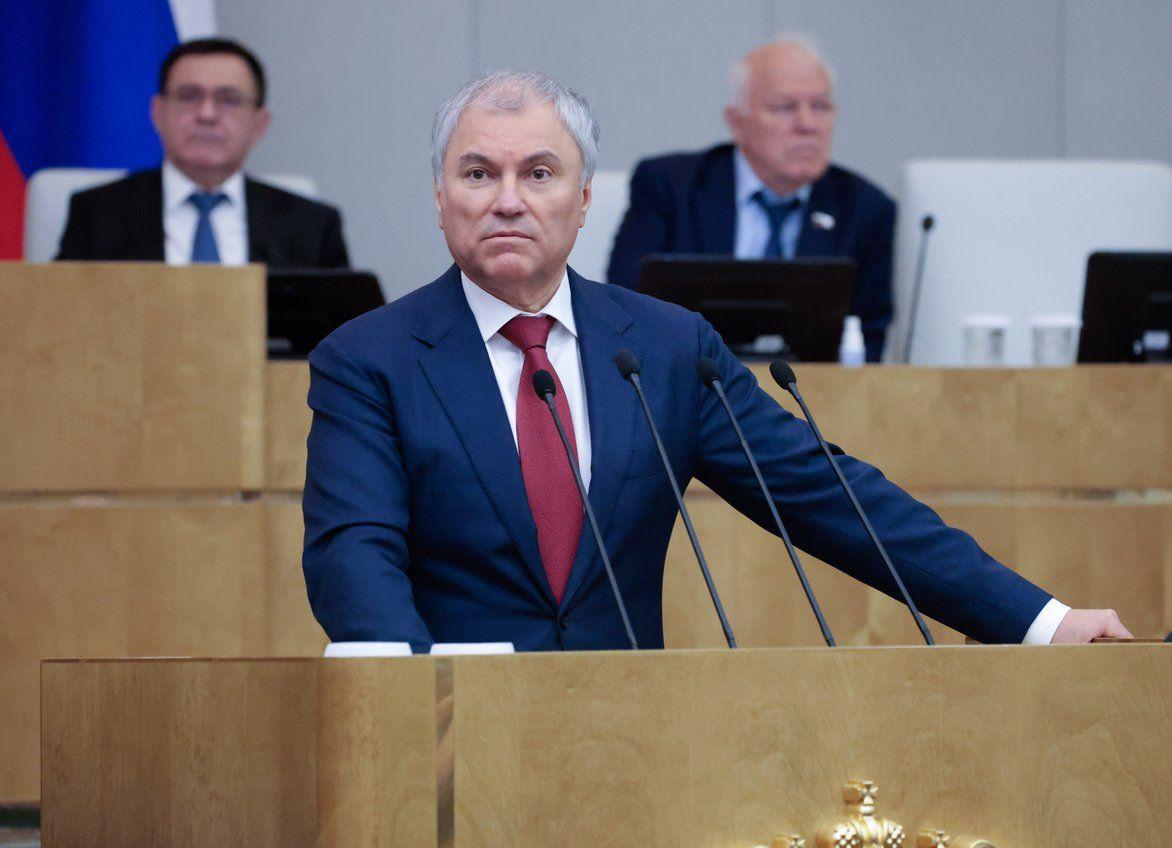
Vyacheslav Volodin was again elected chairman of the State Duma. He has led the lower house since 2016, so this is already his third consecutive convocation as speaker. His candidacy was personally backed by Vladimir Putin.
A Just Russia brings Ukraine’s former acting prime minister Serhii Arbuzov into the Duma
For the first time, the State Duma includes deputies elected in the occupied territories of Ukraine’s Donetsk, Luhansk, Zaporizhzhia and Kherson regions. All of them represent United Russia: seven deputies were elected directly in single-member districts created there, and another 11 seats went to United Russia’s joint regional party-list group, which included candidates from all four territories.
One of the most prominent Duma newcomers with links to Ukraine is the former acting prime minister Serhii Arbuzov. He was elected on A Just Russia’s federal list. In the elections, Arbuzov headed its regional group covering the Donetsk, Luhansk, Zaporizhzhia and Kherson regions annexed by Russia, as well as Crimea and Sevastopol.
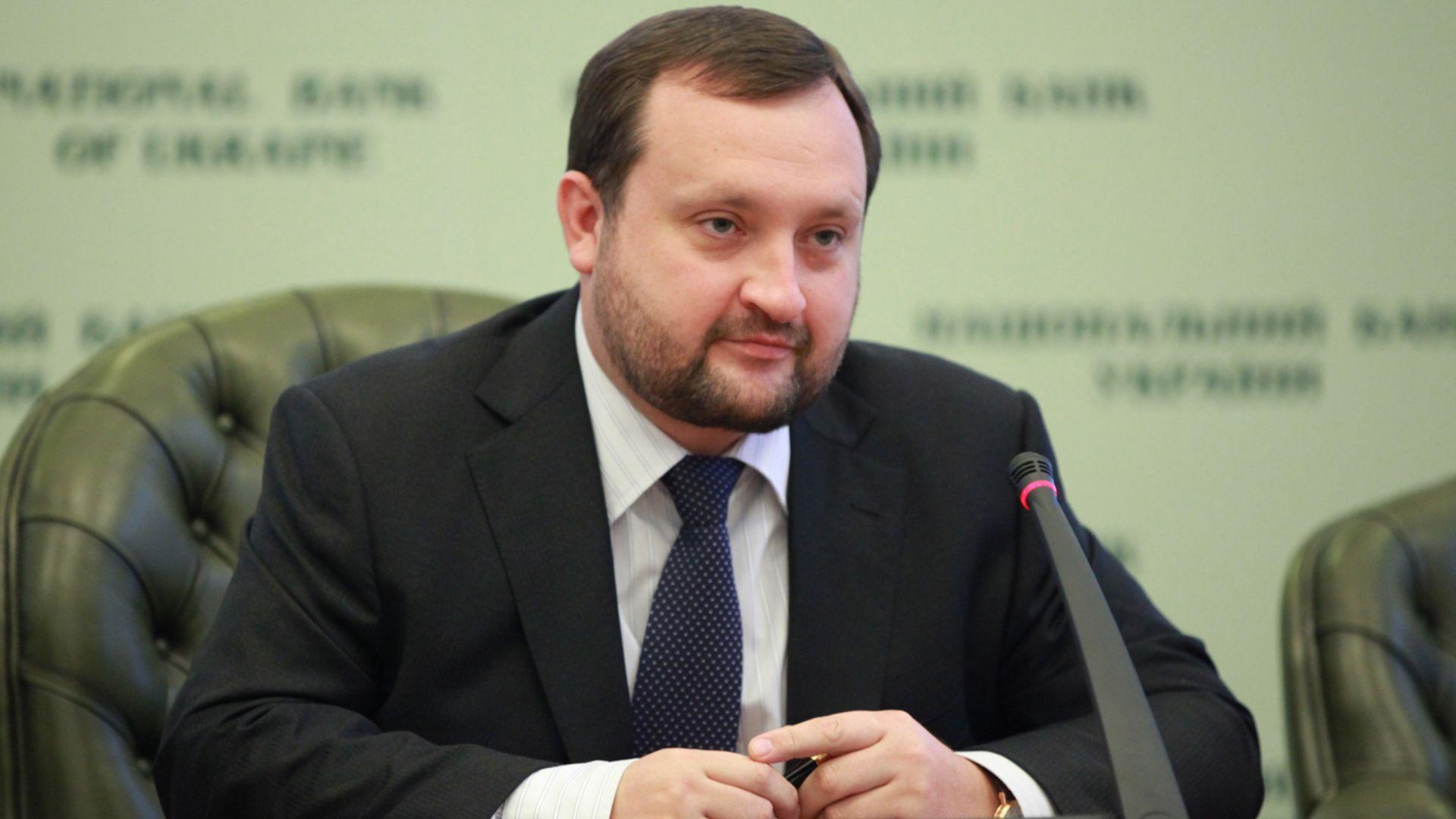
Arbuzov’s career fell during the presidency of Viktor Yanukovych. In 2010–2012 he headed the National Bank of Ukraine, and then became first deputy prime minister in Mykola Azarov’s government. After Azarov resigned at the height of the Euromaidan, Arbuzov served as acting prime minister of Ukraine.
After the change of power in Kyiv, Arbuzov left Ukraine and ended up in Russia. Ukrainian law enforcement put him on the wanted list in a case concerning the alleged misappropriation and embezzlement of state funds. Now he has become a State Duma deputy for the first time. A Just Russia likes to emphasise its representative’s Ukrainian political past.
Confusion over the heroes of the “special military operation”
Confusion over the number of war participants in the new Duma persisted right up to the formation of the factions. Immediately after the elections, the secretary of United Russia’s General Council, Vladimir Yakushev, said that about 86 participants in the “special military operation” (SVO) would become deputies for the party. Soon afterwards, the report with that figure was withdrawn at the request of United Russia’s press service “in connection with the clarification of data”, and Yakushev himself named 49 people.
After the election results were approved, the Central Election Commission reported that a total of 46 war participants and veterans had been elected to the Duma. However, after seats were given up and redistributed, United Russia announced that its newly formed faction already included 50 SVO participants.
A separate question arose over the very definition of an “SVO participant”. Meduza, which examined the biographies of United Russia’s candidates, found sitting deputies, officials and politicians – that is, civilians – among those labelled “war participants”. United Russia itself has not publicly proposed a narrow definition of this category that would mean only direct participation in combat.
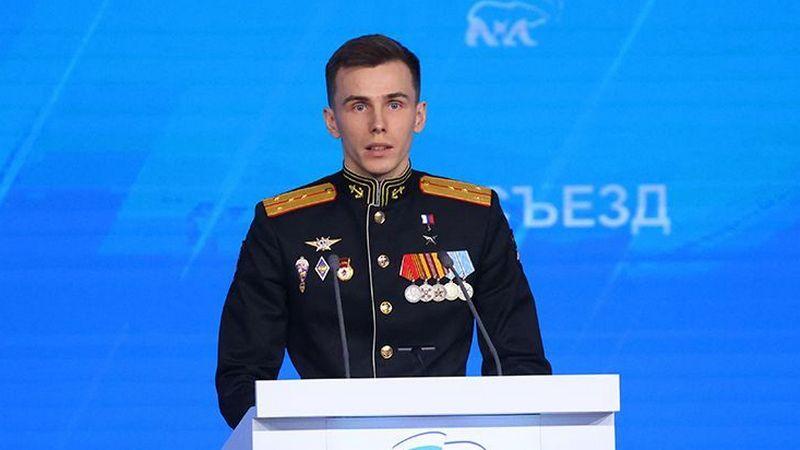
One of the best-known war participants in the new parliament is Vladislav Golovin. In 2022, during the fighting in Mariupol, Russian military media long showed a marine commander with a red backpack without naming him, using only his call sign “Struna”. That same year Golovin stepped on a mine, was seriously wounded and lost part of his right leg; he was later awarded the title Hero of Russia.
A separate group of new parliamentarians is linked to Putin’s “Time of Heroes” personnel programme, created for war participants. Nineteen of its participants won seats.
Yabloko persecuted even after the elections
Yabloko, which ran in the elections on an anti-war platform, was barred from the Duma race on the federal list: on 10 August the Supreme Court cancelled its registration following a lawsuit by the Rodina party. Yabloko tried to challenge the decision at the Supreme Court, but to no avail. On 15 September the party appealed to the Constitutional Court, where the complaint is still being considered.
At the same time, the EU decided to impose sanctions on ten Russian judges, prosecutors and other officials involved in barring Yabloko from the elections and in court cases against the party’s representatives. The sanctions list includes, among others, three Supreme Court judges and an official of the Prosecutor General’s Office who took part in the case to remove Yabloko’s federal list from the elections, as well as judges and prosecutors linked to the cases of Nikolai Rybakov, Lev Shlosberg and Maxim Kruglov. The EU justified the restrictions by these individuals’ involvement in repression of the political opposition and in undermining democratic processes in Russia.
The persecution of Yabloko members in Russia continues after the elections. On 29 September an administrative offence report for petty hooliganism was drawn up against party chairman Nikolai Rybakov.
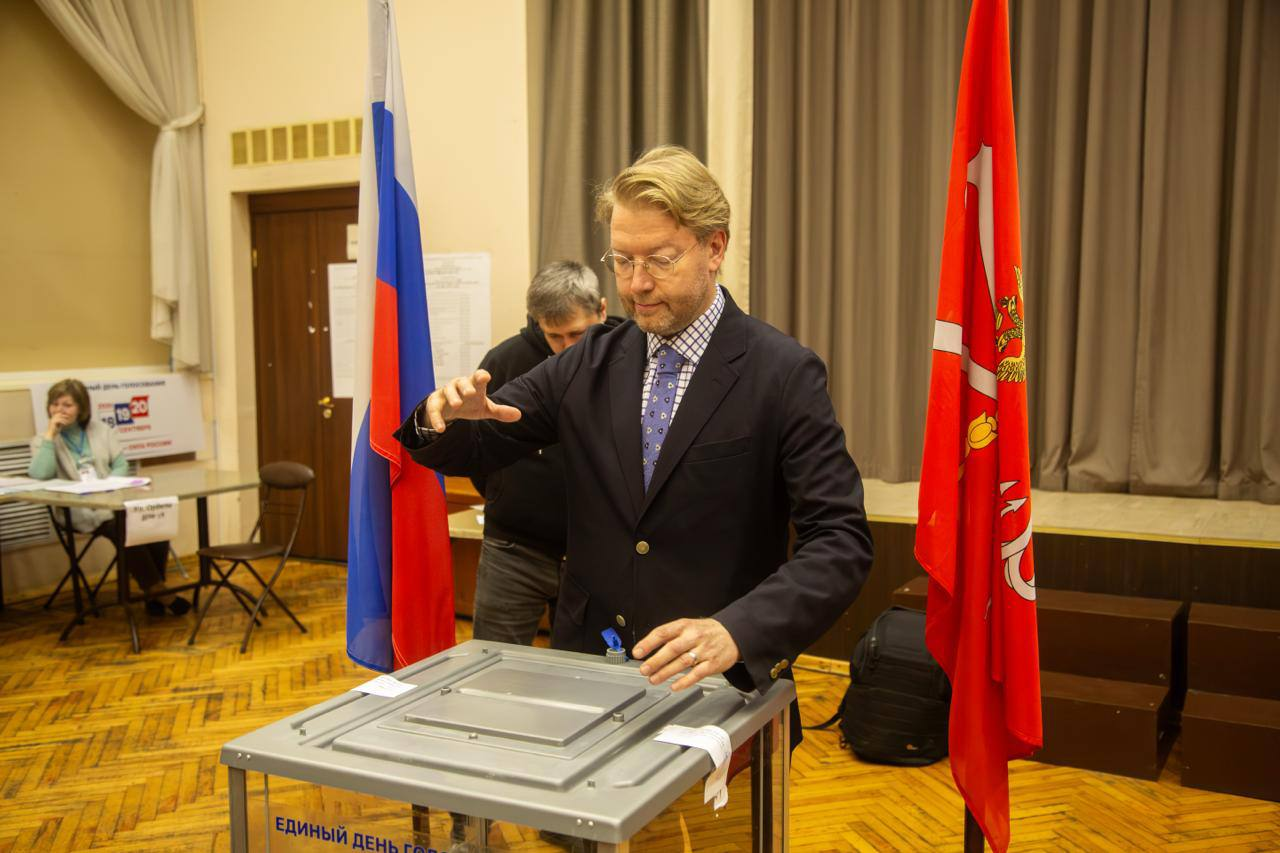
The reason was the way he voted on 20 September: Rybakov spoiled his ballot papers by writing on them, among other things, “For peace” and “For a ceasefire agreement”. The police treated this as damage to property and petty hooliganism. Rybakov himself disagreed with this interpretation, telling the court that writing on his own ballot papers was not petty hooliganism. Rybakov faces a fine or administrative arrest of up to 15 days.
Official Russian and Belarusian sources cited in this text are for informational purposes only. Content from these sources may constitute disinformation or propaganda.