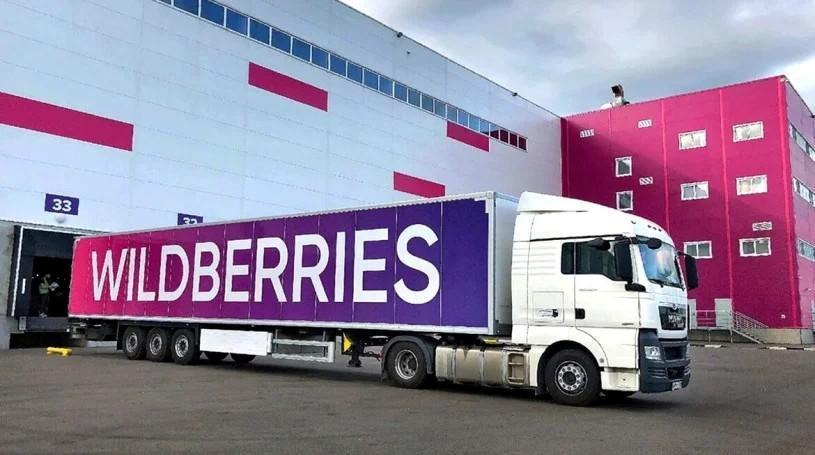

Ukraine launched strikes against the logistics infrastructure of the Wildberries marketplace. On the night of July 18, drones struck hubs in Elektrostal, near Moscow, and Kotovsk, in the Tambov Region. The following day, a distribution center in the village of Kaledino, near Moscow, and the “Yuzhnye Vrata” industrial park in Domodedovo—where Wildberries , according to some reports, leased part of the space—were attacked.
Ukrainian President Volodymyr Zelenskyy stated that these facilities “were used to supply sanctioned components for the production of drones and navigation equipment.” Social media users have noted that Wildberries does indeed sell a wide range of goods for the war effort: body armor, combat helmets, camouflage suits, and fiber-optic cables for drones.
Journalist Ivan Yakovina compared the strike on Wildberries’ warehouses to strikes on the oil sector.
The extraction, transportation, refining and export of oil are the foundation of large-scale Russian business. So there you have it: warehouses hold roughly the same level of importance. As it happens, they have become the logistical backbone of all Russian small and medium-sized businesses. Without Wildberries, a colossal number of people will lose their jobs, money, future and even some prospects. Those who filled the restaurants and cheerfully argued that “the war has only brought more money” will find themselves in a situation where they have nothing to feed their children with. The instantaneous destruction of tens of thousands of small businesses is a very serious blow to economic, social and political stability in Russia.
More than one million sellers are registered on the Wildberries platform, and the number of active buyers exceeds 80 million per month. The company independently manages one of the largest logistics networks, which includes distribution centers, sorting facilities, transportation infrastructure, and order pickup points. Its main facilities are concentrated in the Moscow Region—specifically, logistics centers in Elektrostal, Kaledino, and Podolsk. According to industry analysts, approximately 7–8% of Russia’s total retail turnover currently passes through the Wildberries platform.
Who is behind this e-commerce empire? And at what point did the family business become a company at the center of intertwined interests involving the state, big business, and war? – BlackSky tells the story of Wildberries.
In brief:
- Wildberries began as an online store founded by Tatiana and Vladislav Bakalchuk.
- In 2010, the company changed its format and became a marketplace: from that point on, the business gained momentum, and by 2021, Tatiana’s net worth had reached a record $13 billion.
- The government and the oligarchs took a relaxed view of Wildberries, since it did not encroach on their traditional turf—oil, gas, and natural resourcesThe situation changed in 2024: Suleiman Kerimov and Ramzan Kadyrov clashed over control of the company
- Vladimir Putin was forced to intervene in the dispute, which escalated into a blood feud. Kerimov, who retained control of Wildberries, paid Kadyrov nearly $2 billion in compensation
- As a result, the Bakalchuks divorced: Tatiana reverted to her maiden name, Kim.
- Today, Wildberries is one of the main platforms for supplying parallel-imported goods to Russia, including dual-use goods
- Businessmen who work with the platform expect further Ukrainian drone strikes on Wildberries’ logistics centers
A Family Business
In the public eye, Wildberries has long been positioned as a family business run by Tatyana and Vladislav Bakalchuk. Tatyana, an English teacher who was staying home with a young child, earned extra income in the early 2000s by selling clothing from the German catalogs Otto and Quelle.

In 2004, the Bakalchuks launched the Wildberries online store, and a few years later registered a legal entity under the same name.
In 2010, the company transitioned to a marketplace model, opening its platform to other sellers and expanding its product range. Wildberries actively developed its own logistics network, opening warehouses and pickup points, which allowed it to speed up delivery throughout Russia and enter CIS markets.
Revenue grew accordingly. While the online store generated minimal profit in its early stages, by 2010 its revenue had already exceeded 1 billion rubles. Today, Wildberries is Russia’s largest marketplace: as of the end of 2025, the company’s revenue stood at approximately 6.1 trillion rubles, with a net profit of 175 billion.
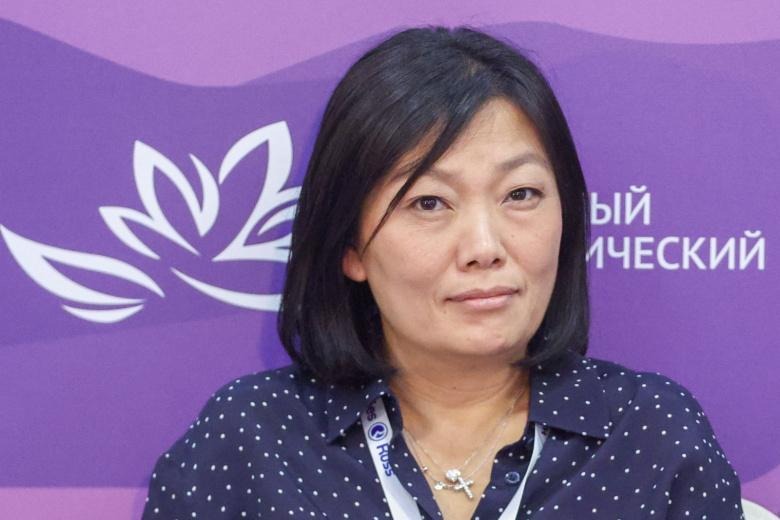
In 2018, Tatiana Bakalchuk made the Forbes list with a fortune of about $600 million; by 2021, her fortune had reached a record $13 billion, making her the richest woman in Russia and one of the wealthiest self-made women in the world.
Government Interest
For a long time, the government showed no interest in Wildberries, as the company was not linked to the traditional strategic sectors of the Russian economy—oil, gas, and raw materials. The e-commerce sector was not viewed as a source of economic or political influence.
The situation changed in 2024, when the interests of the company’s owners, influential business groups, and political elites clashed over Wildberries. The corporate conflict quickly went beyond the scope of a typical commercial dispute. There was talk of a hostile takeover of the company. Vladimir Putin was forced to intervene.
Fire at a Warehouse in St. Petersburg
It all began in January 2024, when a massive fire broke out at Wildberries’ largest warehouse in the village of Shushary (St. Petersburg). People were evacuated in time, so there were no fatalities, but millions of items were destroyed.
A faulty electrical wiring system was cited as the possible cause of the fire. It later emerged that the warehouse had not been officially commissioned and was, in fact, operating without a permit.
Wildberries did not deny the lack of a commissioning permit but claimed that the facility had already passed all major safety inspections and met the necessary requirements.
The Investigative Committee initially opened a criminal case under the charge of “abuse of authority,” but closed it a year later, as it found no grounds for criminal charges. In 2025, the rebuilt warehouse in Shushary officially received its permit to begin operations.
A Family-Corporate Drama
A few months after the fire, Tatiana Bakalchuk announced the merger of Wildberries with Russ, Russia’s largest outdoor advertising operator. The stated goal was to create a unified digital commerce platform with its own advertising, logistics, and payment services.
A new legal entity was established—RVB LLC—with shares distributed as follows: 65% for Wildberries and 35% for Russ. The CEO of the new company became the head of the Russ Group, Robert Mirzoyan. In other words, even though Wildberries held a controlling stake, operational management of the new company ended up in the hands of a representative of the partner.
The transaction amount and its terms were not disclosed. It is known only that the parties had previously written letters to Vladimir Putin requesting his support for the creation of a unified digital platform. The president issued a directive instructing the government to support the project’s implementation.
Vladislav Bakalchuk, who owned 1% of Wildberries’ shares, not only opposed the merger but also claimed that attempts were being made to take his family business away from him. He turned to Ramzan Kadyrov for help. The head of Chechnya called the situation a “hostile takeover” and promised Bakalchuk that he would regain control of the company and “bring his wife back to the family” (media reports had mentioned an alleged romance between Robert Mirzoyan and Tatyana Bakalchuk).

What followed unfolded like a scene from a gangster movie. On September 18, 2024, Vladislav Bakalchuk arrived at Wildberries’ Moscow office in the “Romanov Dvor” business center, accompanied by his entourage. The parties’ accounts differ as to what exactly happened there. According to the husband, he had a scheduled meeting with management; his wife claims that no such meeting was planned and that Vladislav, accompanied by armed men, attempted to force his way into the office.
A shootout ensued: two office security guards were killed, seven people were injured, and 30 were detained, including Vladislav Bakalchuk. He was initially charged with murder, unlawful use of force, attempted murder, and attempted assault on a law enforcement officer; however, all charges were later dropped.
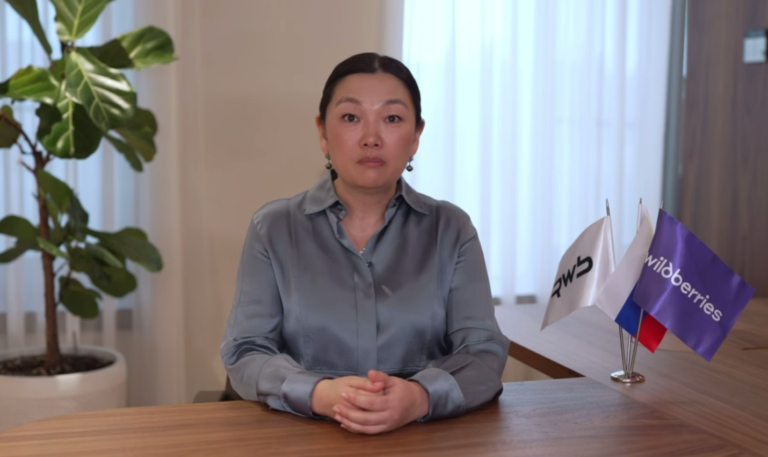
Alongside the corporate conflict, a family conflict within the Bakalchuk family was also unfolding. On the day Vladislav met with Kadyrov, his wife announced the start of divorce proceedings and, in late July 2024, officially filed for divorce. In April 2025, the Savyolovsky District Court of Moscow ruled on the division of the couple’s assets: Vladislav’s 1% stake in Wildberries was transferred to Tatiana, who became the sole owner of the company. Tatiana also dropped her husband’s surname and resumed using her maiden name, Tatiana Kim.
Kerimov vs. Kadyrov
The name of Suleiman Kerimov, a senator from the Republic of Dagestan and a billionaire, has been mentioned repeatedly in connection with Russ. According to several Russian media outlets, he may be the ultimate beneficiary of the group. In other words, as a result of the deal with Wildberries, he could have gained influence over Russia’s largest marketplace. Kerimov himself has not commented on such claims.
In July 2024, journalists from the “Dozhd” TV channel, citing sources, claimed that it was Kerimov who introduced Tatyana Bakalchuk to Anton Vaino, head of the Presidential Administration, and arranged her meeting with Vladimir Putin.
Since Vladislav Bakalchuk had secured the support of Ramzan Kadyrov in the corporate conflict, Suleiman Kerimov had to face off against the head of Chechnya in the battle for Wildberries. At stake was half of the company, which Vladislav Bakalchuk could have received in the event of a divorce from Tatyana—something that was absolutely not part of Kerimov’s plans.
Bakalchuk ultimately lost the battle for the company, but Kadyrov did not back down. He accused Kerimov of attempting to organize a murder and declared a blood feud against him. The senator was even forced to take refuge in a secret bunker in the Vorobyovy Gory hills and stopped appearing in public. Kerimov eventually bought his way out of Kadyrov’s revenge by paying him $1.8 billion, reported *Novaya Gazeta*. The amount was comparable to Wildberries’ net profit over two years. A source for *Novaya Gazeta* also confirmed that the decision on the “compensation” was made personally by Putin, who essentially acted as an arbitrator in the conflict between Kadyrov and Kerimov.
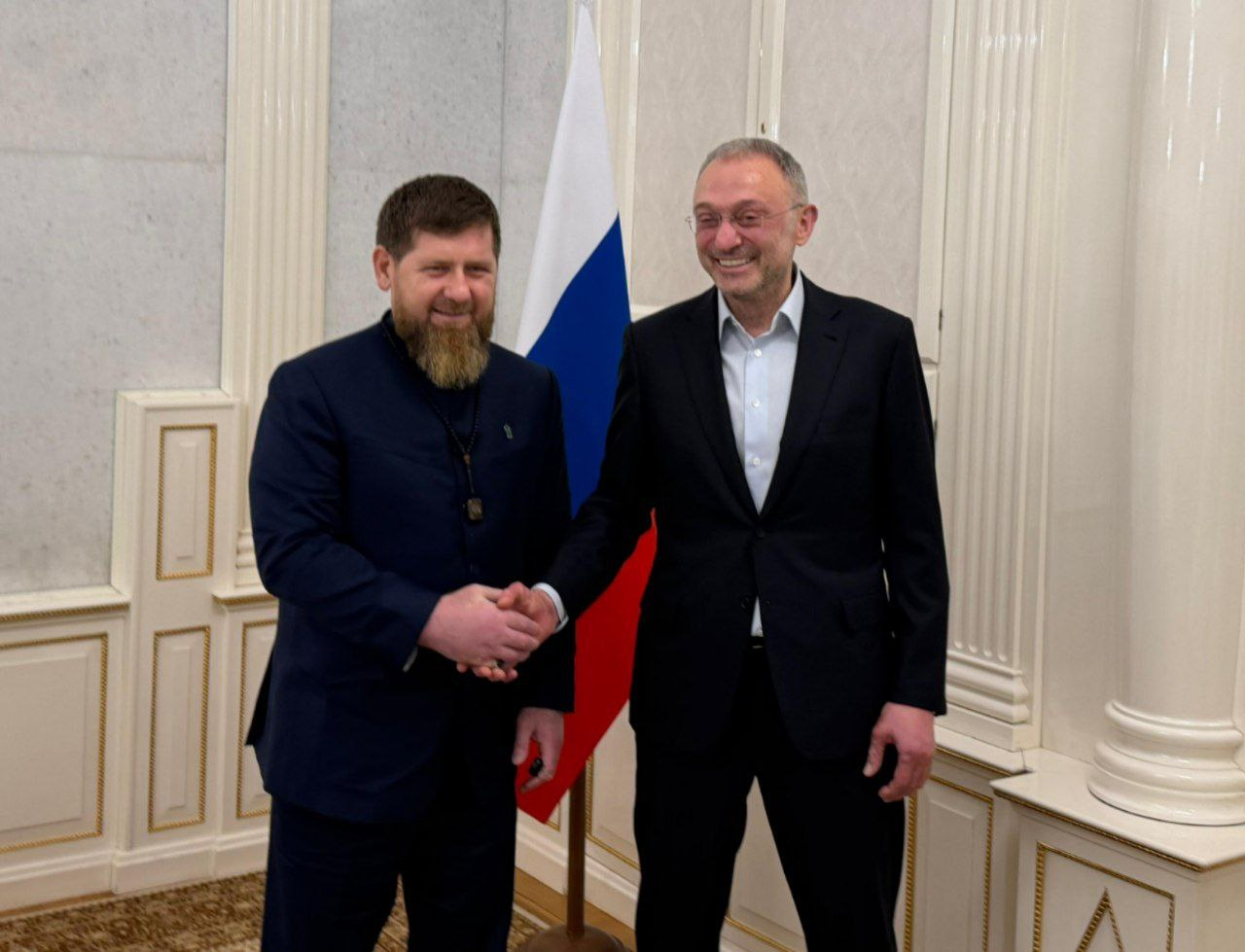
Publicly, the Kremlin stayed out of this conflict. Putin’s press secretary, Dmitry Peskov, stated several times that the presidential administration does not interfere in corporate disputes or the Bakalchuk family conflict, and that the merger of companies is a business process, not a matter within the Kremlin’s purview.
Parallel Imports and Dual-Use Goods
After many Western brands left the market in 2022, the Russian government legalized parallel imports of certain categories of goods, allowing them to be imported without the consent of the rights holders. Wildberries became one of the main platforms through which Western brands were sold in Russia. Tatyana Kim earned the nickname “queen of gray imports” at the time, although this primarily referred to legal parallel imports rather than counterfeit goods.
The media repeatedly pointed out that a range of dual-use goods and military equipment, as well as drone components and fiber-optic cable, could be found on Wildberries.
This was effectively confirmed by the Ukrainian side. Volodymyr Zelenskyy explained the strikes on July 18 by citing the presence of parts for drone production in the logistics centers.

According to Russian authorities, these attacks killed eight people, with dozens more injured. Kim herself called the events a “horrible night” and is now organizing aid for the families of the dead and wounded, as well as developing a set of measures to support affected business owners who stored their goods in Wildberries’ warehouses.
The company has not yet disclosed the amount of the damage. Experts estimate that rebuilding the warehouses will cost 30 billion rubles, while the losses incurred by business owners are estimated at a minimum of 150 billion rubles. Formally, Wildberries is not required to compensate for these losses: several weeks ago, changes were made to the contract stipulating that the marketplace is not liable for drone attacks.
Business owners have no doubt that Ukrainian drone attacks on Wildberries’ logistics infrastructure will continue and will affect more than just the warehouses near Moscow.
Some Russian Telegram channels have reported that Tatiana Kim is seeking protection for her facilities at the highest levels and is proposing to include the company’s logistics hubs on the list of strategic facilities so that they can be protected by military air defense units.
Official Russian and Belarusian sources cited in this text are for informational purposes only. Content from these sources may constitute disinformation or propaganda.